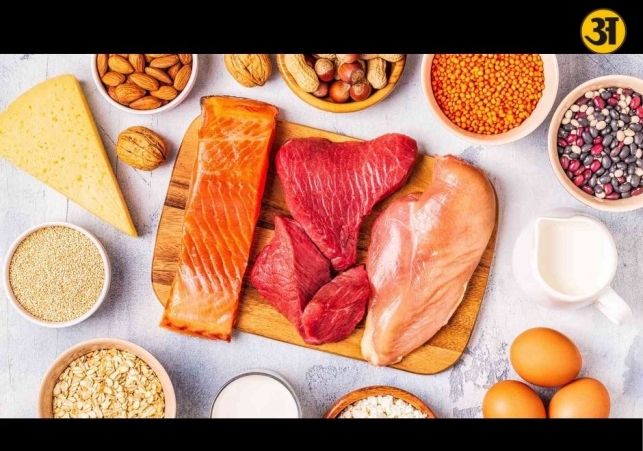
Getting your protein game right
How to get your protein intake right for better health and energy
- By Gurmehar --
- Friday, 05 Sep, 2025
We live in a time where food choices are under the spotlight. Every few months, new superfoods trend online — from matcha to sourdough. But one nutrient remains at the centre of all health conversations: protein.
Everyone knows protein is important, but the real struggle is figuring out how much we need and how to include it in our daily meals. Protein shakes, bars, and powders are everywhere, but our needs are not all the same. A professional athlete, a desk worker, and a growing child all require different amounts. That’s why understanding protein intake is so important.
Why protein matters for everyone
Protein is often called the body’s “building block.” Our bodies cannot grow, repair, or function properly without it. It helps muscles grow and recover after exercise, strengthens skin, hair, and nails, and even supports our immune system by building antibodies. Protein also helps produce hormones and enzymes that control most body processes.
Carbohydrates and fats are our main sources of energy, but protein can also provide energy when needed. This makes it essential for people of all ages.
So how much protein do we need? Nutritionists say it depends on factors like weight, activity level, stress, and health conditions. On average:
-
Indian men need about 60 grams per day
-
Indian women need about 55 grams per day
For children, the needs change as they grow. For example, toddlers may need about 0.97 grams per kg of body weight, while teenagers need slightly less per kg as they grow older. Protein supports growth, brain development, energy, and even concentration — all crucial during school years.
But it’s not just about children or athletes. Even adults with desk jobs need enough protein to stay healthy, maintain energy levels, and prevent muscle loss.
Smart ways to manage your protein intake
Experts say the key to meeting protein needs is balance and variety. Eating all your protein in one meal isn’t effective because the body digests protein slowly. Instead, spread your intake across breakfast, lunch, snacks, and dinner.
For example:
-
Breakfast: Eggs, milk, or sprouts
-
Lunch: Dal, paneer, or chicken
-
Snacks: Roasted chana, makhana, or nuts
-
Dinner: Fish, tofu, or legumes
This way, the body gets a steady supply of protein throughout the day.
It’s also important to include different sources of protein. Animal-based proteins (like eggs, chicken, and fish) are absorbed faster by the body, but plant-based proteins (like lentils, beans, and nuts) provide fibre and other nutrients. A mix of both ensures better nutrition.
Here are some good protein sources to try:
-
Milk, curd, paneer (low-fat versions are better)
-
Soy products like tofu, soy milk, and soya chunks
-
Pulses, lentils, chickpeas, and beans
-
Sprouts, peas, and dals
-
Nuts like almonds and walnuts
-
Eggs, chicken, and fish
Pairing protein with other nutrients makes it even more powerful. For example:
-
Protein + carbs: Helps provide steady energy and repair muscles (like dal with rice).
-
Protein + healthy fats: Keeps you full for longer and reduces cravings (like avocado with nuts).
-
Protein + fibre: Improves digestion and prevents overeating (like sprout salad with veggies).
Using the “plate method” can help: fill half your plate with vegetables, one-fourth with carbs, and one-fourth with protein. Add a small portion of healthy fats like seeds, nuts, or olive oil, and drink enough water to stay hydrated.
For people on plant-based diets, combining grains and legumes (like rice and lentils) gives complete proteins. Low-fat milk or soy-based alternatives also work well.
ALSO READ: WHO says over one billion people lived with mental health conditions in 2021
ALSO READ: Trump’s remarks spark controversy among Indian-origin Brahmins in Boston
Why more protein isn’t always better
With so much hype around protein powders and high-protein diets, many people think “the more, the better.” But that’s not true. Eating too much protein can actually be harmful.
Excess protein may:
-
Put stress on the kidneys
-
Cause dehydration
-
Lead to digestive issues like bloating or constipation
-
Create nutrient gaps if carbs and fats are ignored
Our bodies need balance. Carbs and fats are just as important as protein. A diet that focuses only on protein can leave you low on energy and nutrients in the long run.
The goal is not to overload on protein but to include the right amount for your body, spread throughout the day, and paired with a variety of healthy foods.
In short, protein is not just for gym-goers or athletes — it’s essential for everyone. The trick is to spread your intake, mix different sources, and pair it with other nutrients for best results. With simple, smart food choices, you can keep your protein game strong without overdoing it.
Related News