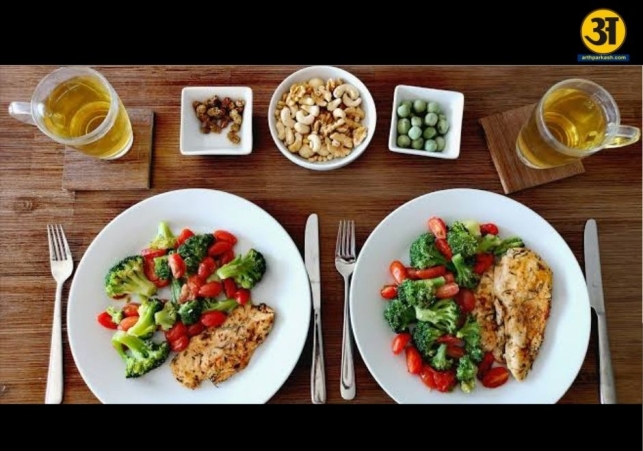
How to break a fast the right way
What to eat after fasting: Doctor shares the safest way to break a fast
- By Gurmehar --
- Monday, 20 Jul, 2026
Fasting has become a popular health practice for many people around the world. While some fast for religious reasons, others do it to manage weight, improve metabolism, or support overall wellness. However, health experts say that the period after fasting is just as important as the fast itself. What you choose to eat when you break your fast can have a significant impact on how your body recovers and benefits from the fasting period.
Oncologist Dr. Jayesh Sharma recently explained the science behind fasting and offered simple advice on how to safely return to eating after a fast. According to him, many people focus too much on the length of their fast while ignoring the importance of their first meal afterward.
Dr. Sharma explained that fasting triggers several processes inside the body. When a person stops eating for a period of time, the body begins using stored energy to keep functioning. Initially, it uses glycogen, a form of stored sugar found in the liver. Once those stores start decreasing, the body turns to fat reserves for energy.
At the same time, fasting encourages the body to remove damaged or old cells. This process helps the body clean up unnecessary cellular material and may contribute to better overall health. Because the body is breaking down certain damaged cells during fasting, it needs proper nutrition afterward to rebuild and repair tissues effectively.
According to Dr. Sharma, understanding this process helps explain why the first meal after fasting should be carefully chosen. The goal is not simply to replace all the energy that was used during the fast. Instead, the focus should be on providing the body with nutrients that help it recover and rebuild.
Many people make the mistake of ending a fast with foods high in sugar, unhealthy fats, or large portions. While this may feel satisfying after hours without food, it can place stress on the digestive system and reduce some of the potential benefits of fasting.
Dr. Sharma advises a more balanced approach. He believes that protein should be a key part of the first meal after fasting because it supports tissue repair and helps the body recover from the breakdown processes that occur during the fasting period.
ALSO READ: Trump threatens tariffs on Canada as wildfire smoke worsens air quality across the US
ALSO READ: Iran claims it destroyed US aircraft in Jordan after deadly American strikes in Iran
Choosing the right foods after a fast
When it comes to breaking a fast, Dr. Sharma recommends starting slowly rather than immediately eating a large meal. After several hours without food, the digestive system may need time to adjust.
He suggests beginning with light and easy-to-digest foods. Fresh fruits can be a good option because they provide natural sugars, vitamins, minerals, and hydration. Another simple choice is lentil soup, commonly known as dal soup, which offers nutrients while being gentle on the stomach.
Starting with these lighter foods allows the digestive system to wake up gradually. Once the body has adjusted, protein-rich foods can be introduced. Protein helps rebuild tissues and supports muscle maintenance, making it an important nutrient after fasting.
Examples of healthy protein sources include eggs, dairy products, lentils, beans, fish, chicken, tofu, and other plant-based proteins. Combining protein with vegetables and whole foods can help create a balanced meal that supports recovery without overwhelming the body.
Dr. Sharma also advises limiting foods that are very high in sugar and unhealthy fats immediately after fasting. Sugary snacks, desserts, and heavily processed foods may cause rapid spikes in blood sugar levels and leave people feeling tired later. Instead, focusing on nutrient-dense foods can help maintain steady energy and promote better overall health.
While fasting may offer certain health benefits, Dr. Sharma emphasizes that it is not suitable for everyone. Certain groups of people should avoid fasting or seek medical advice before trying it.
Pregnant women and breastfeeding mothers should generally avoid fasting because their bodies need consistent nutrition to support both themselves and their babies. Nutritional requirements are higher during these stages, and restricting food intake may not be appropriate.
Older adults may also need to be cautious. As people age, the body naturally experiences more wear and tear, and prolonged fasting could increase physical stress in some cases. Underweight individuals should also avoid fasting because they may not have enough energy reserves to safely tolerate extended periods without food.
People with medical conditions such as diabetes or kidney disease should never begin a fasting routine without consulting a healthcare professional. Changes in eating patterns can affect blood sugar levels, medication requirements, hydration, and overall health. For some individuals, fasting without proper guidance could lead to serious complications.
Dr. Sharma also points out that every person responds differently to fasting. While some people feel energetic and comfortable, others may experience headaches, dizziness, weakness, or difficulty concentrating. If fasting consistently causes unpleasant symptoms, it may not be the right approach for that individual.
Rather than forcing the body through a practice that feels uncomfortable, Dr. Sharma encourages people to focus on proven lifestyle habits such as eating a balanced diet and exercising regularly. According to him, these are often the areas where most people can make meaningful improvements to their health.
His message is simple: fasting can be beneficial for some individuals, but it is not a magic solution. The quality of food consumed after fasting, along with overall lifestyle choices, plays a much bigger role in long-term health. By breaking a fast gradually, choosing nutritious foods, and understanding personal health needs, people can make safer and more informed decisions about fasting and wellness.
Related News