How the Fed decision may affect your money
Fed keeps interest rates unchanged: What it means for savings, loans, mortgages and investments
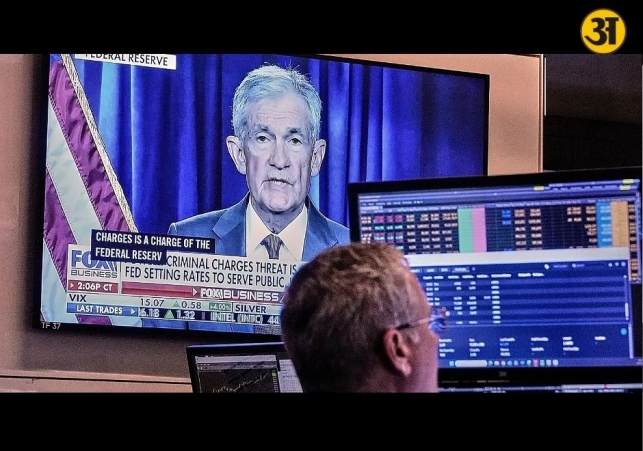
The U.S. Federal Reserve is expected to keep interest rates unchanged at its June meeting. This decision is important because it is one of the first major meetings under Federal Reserve Chair Kevin Warsh. Investors, businesses, and ordinary Americans are watching closely to see what direction the central bank may take in the future.
Although Warsh has spoken about making changes at the Federal Reserve, experts do not expect any major policy shifts right now. Most market analysts believe that interest rates will remain steady for some time. This means people are unlikely to see big changes in borrowing costs, savings returns, or investment conditions in the near future.
Savings and borrowing costs may stay stable
For people who keep money in regular bank accounts, the Fed's decision is unlikely to bring significant changes. The average interest rate on checking accounts remains very low at around 0.07%. Traditional savings accounts also offer limited returns, with the national average savings rate at about 0.38%.
However, people can still earn more by choosing high-yield savings accounts. Many of these accounts currently offer interest rates around 3%, while some banks continue to provide rates close to 4%. Customers who compare different banks and move their savings to better-paying accounts can earn much higher returns.
Money market accounts are also providing modest returns. The national average rate is around 0.57%, but some high-yield money market accounts offer rates close to 4%, especially for customers with larger balances.
Certificate of Deposit (CD) rates have remained fairly steady in recent months. The national average rate for a one-year CD is about 1.55%. The amount a person earns depends on how much money they deposit and how long they agree to keep it locked in the account. Shopping around for better offers can help customers find rates much higher than the national average.
People looking for loans may also see little change. Personal loan rates have become slightly cheaper compared to previous years. The average personal loan interest rate has fallen to around 11.4%, down from nearly 12% where it stayed for a long period. Some lenders are advertising personal loans with rates starting near 7%, although the final rate depends on a person's credit score and financial history.
Credit cards remain one of the most expensive ways to borrow money. Average credit card interest rates have risen sharply over the past few years and now stand at around 21%. Even after previous Fed rate cuts, credit card rates have not fallen much. As a result, people who carry unpaid balances from month to month continue to pay very high interest charges.
Financial experts recommend paying credit card bills in full each month whenever possible. Doing so helps avoid costly interest payments and reduces overall debt.
ALSO READ: PM Modi and Trump meet at G7 summit after 16 months
ALSO READ: Growing vascular disease may be hiding behind common leg pain
Impact on mortgages and investments
Mortgage rates are influenced by many factors, not just Federal Reserve decisions. They are affected more by movements in the bond market, particularly the yield on the 10-year U.S. Treasury note.
Earlier this year, mortgage rates dropped to some of their lowest levels in three years. However, global events, including tensions and conflicts in different parts of the world, later pushed rates higher again.
Housing experts expect mortgage rates to remain close to 6% through 2027. This means people hoping for much cheaper home loans may have to wait longer. While rates could move slightly up or down, experts do not expect dramatic changes in the near future.
For homebuyers, this suggests that mortgage costs are likely to remain relatively stable. Buyers should focus on improving their credit scores, saving for larger down payments, and comparing offers from multiple lenders to get the best possible rates.
The stock market may also react to the Fed's decision, but interest rates are only one factor affecting investments. Corporate profits, inflation, consumer spending, economic growth, and investor confidence all play important roles in determining stock prices.
Many financial advisers encourage investors to avoid making quick decisions based only on a single Fed meeting. Markets often move for many different reasons, and short-term reactions can be unpredictable.
Investors who prefer a safer approach may focus on strong, established companies that have performed well through different economic conditions. These businesses often provide greater stability during uncertain periods.
Long-term investors are generally advised to remain patient and stay focused on their financial goals. Instead of reacting to every announcement from the Federal Reserve, experts suggest maintaining a balanced investment strategy and thinking about long-term growth.
Overall, the Fed's expected decision to keep interest rates unchanged means that most Americans will not see major changes in their financial lives right away. Savings account returns, loan rates, mortgage costs, and credit card interest charges are likely to remain close to current levels.
While the decision may not bring immediate benefits or challenges, it provides a period of stability. Consumers can use this time to improve their savings habits, reduce high-interest debt, compare financial products, and make long-term plans with greater confidence.
Related News