How art therapy helps you relax and feel better
Feeling stressed or anxious? Here’s how art therapy can calm your mind
Life today moves fast. Between work, family, and endless scrolling on your phone, it’s hard to find time for yourself. Many people say they are too busy or too tired to have a hobby. But what if there was a simple way to relax, feel better, and take care of your mental health — even if you’re not an artist? That’s where art therapy comes in.
Art therapy is becoming more popular because it gives people a creative way to deal with stress, anxiety, and emotions they can’t easily express. The best part? You don’t need to be good at drawing or painting. You just need to be open to the idea of using art to calm your mind.
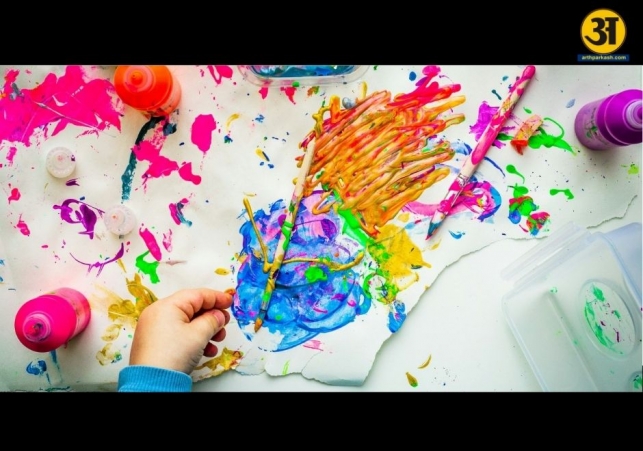
You can start small — with paint-by-number kits, coloring books, or simple drawing tools. It’s not about making perfect art. It’s about enjoying the process and letting your feelings flow through shapes and colors.
How art therapy helps your mind and body
Art therapy is more than just painting for fun. It helps you express what’s inside without needing words. Sometimes, people find it hard to explain how they feel. Talking doesn’t always help. But making art can be a quiet and safe way to let those feelings out.
Dr. Sarthak Dave, a psychiatrist from Ahmedabad, says, “Art therapy doesn’t cost much, and it doesn’t need another person around all the time. It gives you space to make mistakes and be yourself. That makes it one of the healthiest ways to deal with emotions.”
Art therapy also supports mental health in many ways. According to Dr. Aarti Anand, a psychologist from Delhi’s Sir Ganga Ram Hospital, “Art therapy helps people who struggle to talk about their emotions. It gives them a way to express themselves without using words.”
Tanushree Sangma, an expressive arts therapist at Fortis Hospital in Gurugram, says that creating art helps people see their own strengths and weaknesses. When you make something with your hands — whether it’s a painting or a drawing — you feel a sense of pride. That feeling of success helps build confidence.
ALSO READ: Is voter roll cleanup fair or targeting eastern Bihar?
ALSO READ: Stuck in a thought spiral? Here’s how you can break free from the loop
Dr. Dave adds that when someone is stressed or anxious, their body goes into “survival mode.” They might feel tired all the time, lose their appetite, or sleep badly. Art therapy helps take the weight off their mind. As the stress reduces, their body starts working better again — they sleep better, eat better, and feel more in control.
Art also supports brain health. Dr. Anand explains that doing creative tasks — like coloring or painting — improves focus and memory. It helps build new connections in the brain and keeps it active. It also helps you become more mindful — staying in the present moment instead of worrying about the past or future.
How to get started and what to keep in mind
You don’t have to be a trained artist to enjoy the benefits of art therapy. If you feel tired, anxious, or just want a quiet break from your busy day, try picking up a paintbrush or colored pencil.
Start with something simple, like a paint-by-number kit. If you feel calm or more focused after doing it, that means it’s working. Over time, you might notice that you sleep better, worry less, or even think more clearly.
Dr. Dave says that, just like any other therapy, the benefits of art therapy take time to show. When you begin to feel calmer and your daily life improves — whether at work or in relationships — you’ll know it’s helping.
You can do art therapy alone or in a group. Dr. Anand says solo art therapy is great for personal healing and self-reflection. But group sessions help you connect with others, build trust, and feel supported. Tanushree Sangma says group art therapy is often designed to help people work on shared issues and grow together.
There are a few things to remember before you start:
-
Let go of the idea of being perfect. It’s not about how your art looks, it’s about how it makes you feel.
-
Focus on the process, not the final result.
-
Be patient. It may take a few weeks before you feel the full benefits.
-
Take breaks if you feel tired or overwhelmed.
-
Sometimes, creating art may bring up old feelings. That’s normal — it’s part of healing.
Art therapy is not a cure for serious mental health problems, but it can support other treatments. If you’re struggling, it’s always good to speak to a therapist or counselor along with doing art.
In the end, art therapy offers a simple, peaceful way to connect with your inner self. Whether you're dealing with stress or just looking for a quiet moment in your day, it can help you slow down and feel better — one brushstroke at a time.
Related News