Why north India faces snow disruption and traffic chaos
Heavy snow hits J&K, Himachal, Uttarakhand: Flights cancelled, roads blocked, thousands stranded
North India’s Himalayan regions faced severe disruption after a fresh spell of snowfall hit Jammu & Kashmir, Himachal Pradesh, and Uttarakhand due to a Western Disturbance that began on Monday. The snowfall caused major road closures, flight cancellations, and left thousands of people stranded in affected areas. Authorities have issued warnings and taken emergency measures to deal with the situation.
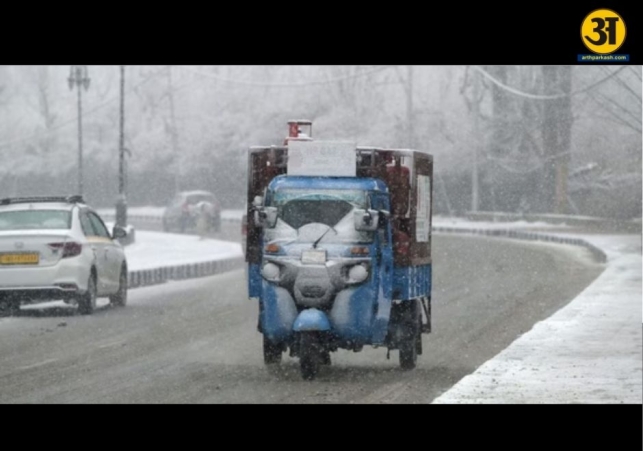
In Jammu & Kashmir, snowfall started on Monday night and continued intermittently through Tuesday. The heavy snow forced the closure of the key Jammu-Srinagar highway, including the critical section of National Highway 44 near the Navyug tunnel at Qazigund and Banihal. Snow-clearing operations are ongoing, but officials have warned commuters not to travel until the roads are fully restored.
Srinagar and other plains of the Valley received light to moderate snow, while higher reaches saw heavy snowfall. As a result, all 58 flights, including 29 arrivals and 29 departures, at Srinagar International Airport were cancelled on Tuesday. Authorities said continuous snowfall made the runway unsafe for operations.
District administrations and the police have set up control rooms and helpline numbers to assist stranded passengers and residents. Additionally, the Jammu and Kashmir Union Territory Disaster Management Authority (JKUTDMA) issued avalanche warnings for eleven districts, including Ganderbal, Anantnag, Bandipora, Baramula, Kulgam, Kupwara, Doda, Kishtwar, Poonch, Rajouri, and Ramban, effective until Tuesday evening.
Snowfall causes road, power and water disruptions in Himachal and Uttarakhand
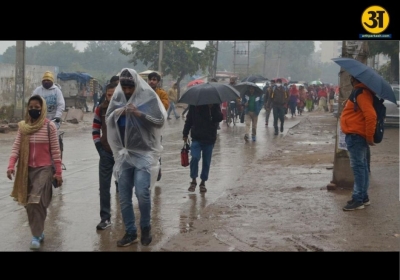
Himachal Pradesh also saw heavy snowfall and rainfall, disrupting normal life. Shimla and Dharamshala were particularly affected, with blocked roads, power outages, and water supply disruptions. According to state minister Jagat Singh Negi, 711 roads, including three national highways, are currently blocked. Additionally, 861 power distribution transformers (DTRs) and around 163 water supply schemes have been impacted.
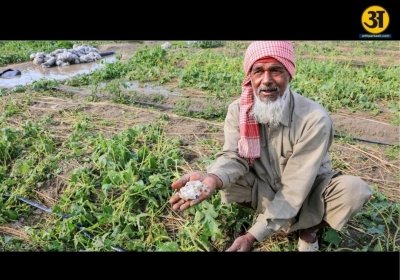
Despite the inconvenience, minister Negi said the snowfall was much needed for farmers and horticulturists after a long dry spell. “There was a drought-like situation earlier. The recent snowfall and rain are important for agriculture and orchards,” he said. Restoration work is being carried out with machinery and manpower deployed across the state to clear roads and restore services.
In Uttarakhand, the upper reaches of the state received fresh snowfall, marking the second spell of snow within a week. Areas such as Badrinath in Chamoli district, Kedarnath and surrounding peaks in Rudraprayag district, as well as the high peaks of Bandarpunch in Uttarkashi district, were covered with snow. Gangotri, Yamunotri, and surrounding regions experienced cloudy conditions, while lower plains, including Dehradun, remained dry.
Authorities in Uttarakhand have also issued avalanche warnings for high-altitude areas. The recent snowfall adds to the thick snow cover from January 23, which had already blanketed the high mountains, increasing the risk of avalanches in several districts.
ALSO READ: India-EU trade deal set to cut costs for Indian buyers
ALSO READ: Maduro’s US custody case begins as he faces drug and narco‑terrorism charges
Emergency measures and public advisories
Officials across all three states have urged residents and tourists to remain cautious. In J&K, the traffic police advised against any vehicular movement on NH-44 between Jammu and Srinagar until snow removal and safety inspections are completed. Avalanche warnings mean only limited movement on selected safe routes is advised in high-altitude regions.
In Himachal Pradesh, authorities are prioritizing road clearance and restoration of electricity and water supply. Temporary shelters and emergency teams have been deployed to assist people stranded due to blocked roads or adverse weather.
Uttarakhand officials have placed disaster response teams on alert and are closely monitoring the high-altitude regions for avalanche risks. Schools in vulnerable districts have been closed as a precautionary measure, and tourists are advised to avoid venturing into risky areas.
Meteorologists have warned that intermittent snowfall and rain may continue in the coming days, particularly in higher reaches, which could prolong disruptions. Authorities are continuously monitoring weather conditions and coordinating relief and rescue operations to prevent accidents and ensure public safety.
Impact on daily life and transportation
The snowfall and road blockages have brought life to a standstill in many areas. Thousands of travelers, including tourists and locals, were stranded due to flight cancellations and highway closures. In Srinagar, normal transportation was disrupted, while in Himachal, multiple highways and roads connecting towns and villages were closed, affecting supply chains, emergency services, and daily commute.
Despite the inconvenience, experts point out that snowfall is beneficial for water reservoirs, agriculture, and the overall ecosystem after a long dry spell. Farmers and orchardists in Himachal and Uttarakhand will benefit from the moisture provided by the snow and rain.
Authorities have asked the public to stay updated on weather advisories, avoid traveling in hazardous areas, and follow instructions issued by district administrations and disaster management authorities. Continuous monitoring, snow clearance, and emergency assistance are being prioritized to restore normalcy in the affected regions.
The snowfall highlights both the beauty and the challenges of life in North India’s Himalayan regions, where weather can quickly impact transport, safety, and livelihoods. Residents and tourists are advised to exercise caution, respect warnings, and plan travel only when conditions are declared safe.
Related News