Himachal’s first ‘zero waste’ tribal festival opens in Keylong
Himachal CM inaugurates state’s first-ever ‘zero waste’ tribal festival in Keylong
Himachal Pradesh chief minister Sukhvinder Singh Sukhu has virtually inaugurated the state’s first-ever “zero waste” tribal festival at Keylong in Lahaul-Spiti district. The event, which started on Thursday, will end on August 16. It is aimed at promoting environmental conservation while showcasing the art, culture, and traditions of the region.
Speaking from Shimla, Sukhu said the festival would give tourists a chance to learn more about Lahaul-Spiti and inspire people to celebrate in a way that does not harm the environment. He said the event reflects the state’s commitment to protecting its natural and cultural heritage.
The chief minister noted that climate change is a growing challenge for both India and Himachal Pradesh. Lahaul-Spiti, he said, has faced unusually heavy rainfall recently, which is a cause of concern. The state government is taking steps to provide relief during disasters and is working with the central government to protect the environment.
Bridges and women empowerment initiatives
During the programme, Sukhu also laid the foundation stone for five new bridges in the Udaipur sub-division under the Pradhan Mantri Gram Sadak Yojana (PMGSY) Phase-3. The total cost of these projects is ₹36.41 crore.
The bridges include:
-
A 35-metre steel truss bridge over Chaikhang Nallah costing ₹9.93 crore
-
A 49-metre double-lane steel truss bridge over the Chenab River costing ₹9.46 crore
-
A 22-metre RCC T-beam bridge over Kishori Nallah costing ₹17.68 crore
-
A 76-metre RCC beam bridge over Teling Nallah costing ₹13.35 crore
-
A 22-metre RCC beam bridge over Moring Nallah costing ₹1.89 crore
Sukhu also said that Lahaul-Spiti has become a model district for women empowerment. He announced that traditional products from the area would be promoted under the “Him-Ira” brand to boost the local economy.
Van Mahotsav and forest conservation plan
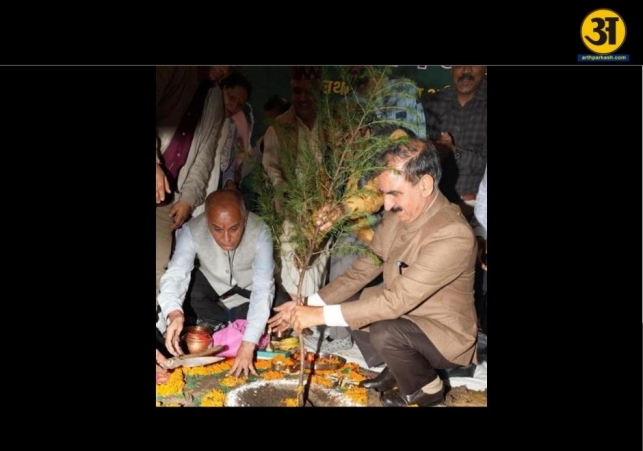
On the same day, the chief minister inaugurated the 76th State-Level Van Mahotsav at Kanlog in Shimla. He planted a deodar sapling to mark the occasion and launched the Rajiv Gandhi Van Samvardhan Yojna across all assembly constituencies in Himachal Pradesh.
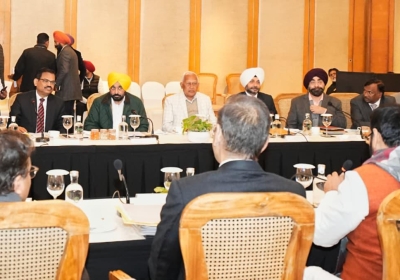
Through a virtual meeting, Sukhu interacted with ministers and MLAs taking part in the programme, discussing the importance of forest conservation and afforestation. He said that protecting and improving the state’s biodiversity is a priority. The government aims to increase forest cover by 30% by 2030.
Under the Rajiv Gandhi Van Samvardhan Yojna, mahila mandals (women’s groups), yuvak mandals (youth groups), self-help groups, and joint forest committees will plant and maintain saplings on one to five hectares of designated forest land for a period of five years. A budget of ₹100 crore has been set aside for the scheme.
ALSO READ: World Organ Donation Day 2025: History, significance, and how you can become a donor
ALSO READ: Significance of IAF downing an ELINT, AEW&C aircraft in Operation Sindoor
Sukhu said that in the current year, saplings are being planted across 1,000 to 1,500 hectares of forest land, costing ₹20 crore. In addition, ₹1.2 lakh per hectare is being provided for the maintenance of the saplings.
The chief minister stressed that this initiative will not only help develop forests but also increase public participation in conservation and strengthen rural livelihoods. He said that involving local communities is key to the success of such environmental projects.
With these combined efforts — from organising an eco-friendly festival to building new infrastructure and launching large-scale tree-planting initiatives — the Himachal government aims to create a model for sustainable development in the state’s tribal and rural areas.
Related News