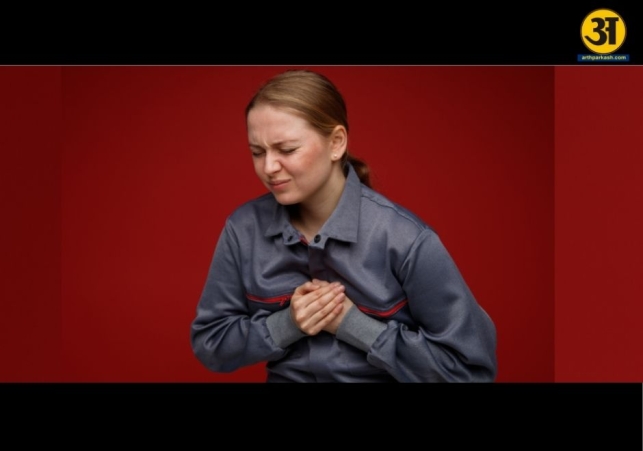
Hidden signs of dangerous artery blockages
When heart trouble hides: Why major artery blockages often show no symptoms
- By Gurmehar --
- Monday, 24 Nov, 2025
Most people imagine that heart problems or clogged arteries will start with a very obvious sign — sudden chest pain, breathlessness, fainting, or a strong feeling that something is wrong. But real life is very different. Many people move through their daily routine with serious artery blockage and feel completely fine. They work, travel, walk, or even exercise without knowing that blood flow inside their body is slowly decreasing. This silent nature of artery disease is what makes it extremely dangerous.
Dr Sumit Kapadia, a vascular surgeon, explains that even 70% artery blockage can exist without any clear symptom. The person may feel healthy, strong, and normal, unaware that a narrowing artery is quietly increasing the risk of disability, heart attack, or stroke. Understanding this silent danger is the first step towards protecting yourself.
Why artery blockages stay hidden for so long
Arteries do not warn loudly. The disease grows slowly over many years. Fat, cholesterol, and calcium build up inside the artery walls, forming a layer known as plaque. This plaque reduces the space through which blood flows. But the body adjusts quietly. The heart and muscles continue working with reduced blood flow until the blockage becomes very severe. This slow adjustment is why most people do not feel anything unusual.
Doctors say that symptoms usually appear only when blockage reaches 80–90%, which means the disease has already progressed to a dangerous stage. At this point, medical intervention becomes urgent, and delaying treatment can lead to severe damage.
Many patients discover the problem only during routine checkups or while getting an ultrasound or Doppler scan for a minor complaint. They are shocked to learn that they have major artery narrowing despite feeling perfectly normal.
ALSO READ: What happens if antibiotics stop working: the rising threat of superbugs
ALSO READ: How stable tax rules can rebuild business trust and boost growth
The late warning signs many people ignore
Once symptoms finally appear, they can be very subtle or mistaken for everyday issues. Common signs include:
-
Leg pain or cramps while walking that improve after resting
-
Numbness, tingling, or a “pins and needles” feeling
-
Tired or heavy legs even after short walks
-
Cuts, wounds, or foot ulcers that heal very slowly
-
Skin colour changes in the feet, such as pale patches, bluish tones, or dark spots
-
One foot feeling much colder than the other
These symptoms are often dismissed as fatigue, ageing, or muscle strain. People keep waiting for them to go away, and precious time is lost. By the time the symptoms are taken seriously, the blockage may already be threatening the heart or limbs.
Who is most at risk?
Artery disease does not affect only older adults. Today, men and women in their 30s and 40s also face high risk due to lifestyle, genetics, and environmental factors. You should be especially careful if you fall into any of these groups:
-
People with diabetes
-
Those with high cholesterol
-
Anyone with hypertension (high blood pressure)
-
Smokers or former smokers
-
People with a sharp family history of heart or vascular disease
-
Men over 45 and women over 50
-
People who are overweight or lead a sedentary lifestyle
Even people who look fit or exercise regularly can develop artery disease. Metabolism, genes, and internal inflammation play a big role. The danger is not always visible from the outside.
Simple tests that detect silent blockages early
The good news is that artery blockages can be detected early through simple, painless tests. These tests take only a few minutes, require no injections, and give clear insight into blood flow:
1. ABPI (Ankle-Brachial Pressure Index)
This test compares the blood pressure in your ankle with the blood pressure in your arm. If the ankle pressure is much lower, it means the arteries in your legs may be narrow or blocked. ABPI is quick, inexpensive, and safe for everyone.
2. Doppler Ultrasound
This scan uses sound waves to show how blood flows through your arteries in real time. It helps doctors see where the narrowing is and how severe it may be. It is completely non-invasive and usually the first test recommended when blockage is suspected.
These two tests can detect artery disease long before symptoms appear. Getting them done early can prevent a future heart attack, stroke, or even limb amputation.
Silent diseases need active decisions
Artery disease is like a fire slowly starting inside your body — quiet, hidden, and unnoticed. Waiting for chest pain or breathlessness is like waiting for flames instead of installing a fire alarm. Prevention and early testing protect your life far more than hoping symptoms will show up.
If you have diabetes, high cholesterol, high blood pressure, or a history of smoking, you should not wait for warning signs. Even if you feel perfectly healthy, getting screened can save your life.
Your heart and arteries work every second without rest. Taking a few minutes to get checked is not a burden — it is an investment in a long, healthy life. Prevention does not take time. Ignoring it does.
Related News