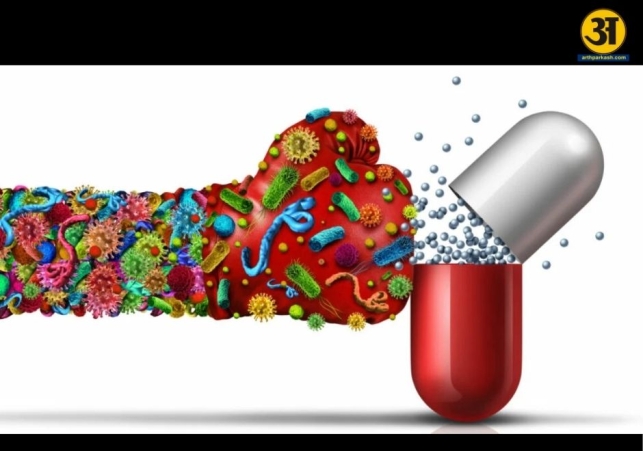
Antibiotics may stop working, making infections deadly
What happens if antibiotics stop working: the rising threat of superbugs
Antibiotics have been a cornerstone of modern medicine for decades. They help treat common infections like urinary tract infections (UTIs), chest infections, and skin wounds. They also protect patients undergoing major surgeries, chemotherapy, or organ transplants from dangerous infections. But doctors are now warning that the world is facing a growing crisis: antibiotic resistance. This happens when bacteria evolve and become stronger than the medicines designed to kill them.
Dr Sunil Havannavar, Senior Consultant in Internal Medicine at Manipal Hospital Sarjapur, says the problem is already visible. Ordinary infections, which we often consider minor, are starting to resist standard antibiotics. A simple UTI, a minor cut, or a mild chest infection could soon become difficult to treat. Bacteria evolve quickly, and misuse or overuse of antibiotics accelerates this process. If antibiotics lose their effectiveness, even common infections may turn life-threatening.
The issue is not sudden like a viral outbreak. It develops slowly, almost unnoticed. Every time antibiotics are used unnecessarily—such as for viral infections like colds or flu, or when someone stops taking them before completing the full course—bacteria get a chance to adapt. Over time, these resistant bacteria multiply, making infections harder to treat.
Why this is a threat and how we can prevent it
Antibiotics are more than just medicine for sickness—they are a safety net for modern medicine. Many medical procedures rely on them. Joint replacements, heart surgeries, and organ transplants use antibiotics to prevent infections. Cancer patients receiving chemotherapy survive because antibiotics protect them from infections while their immunity is low. Without effective antibiotics, these treatments would become much riskier or even impossible.
The spread of antibiotic resistance is quiet but dangerous. It grows whenever antibiotics are misused: taking leftover pills, self-medicating, demanding antibiotics for a viral infection, or skipping doses. Hospitals are already seeing infections that only respond to powerful, last-resort drugs—medications that should be used sparingly to avoid further resistance.
The good news is that this crisis can be slowed. Doctors, patients, and institutions all have a role to play. Key measures include:
-
Responsible prescriptions: Doctors should prescribe antibiotics only when necessary and choose the right type and dose.
-
Patient awareness: Patients must avoid demanding antibiotics for every fever or cold and complete the full course when prescribed.
-
Infection control in hospitals: Strong hygiene and infection prevention can reduce the need for antibiotics.
-
Reduced antibiotic use in farming: Livestock often receive antibiotics to promote growth or prevent disease. Limiting this use helps prevent resistant bacteria from spreading to humans.
-
Ongoing research: Scientists are working to develop new antibiotics and vaccines to fight resistant bacteria.
ALSO READ: How stable tax rules can rebuild business trust and boost growth
ALSO READ: A simple daily breathing test can reveal early signs of lung trouble
Think of antibiotics like a fire extinguisher: incredibly valuable in emergencies, but useless if overused or misused. Protecting their effectiveness today ensures they continue to save lives tomorrow.
The consequences of a world without effective antibiotics are severe. Minor infections could become deadly. Surgeries and medical treatments would carry higher risks. Everyday illnesses could overwhelm healthcare systems, and previously manageable diseases could again become untreatable.
Yet, there is hope. By using antibiotics responsibly, completing prescribed courses, reducing unnecessary use in medicine and agriculture, and supporting medical research, we can slow resistance. Awareness and careful action are crucial. Each responsible decision—from a patient taking medicine correctly to a doctor avoiding unnecessary prescriptions—can help preserve this lifesaving tool.
Antibiotic resistance is not an imaginary threat—it is happening now. The steps we take today will determine whether antibiotics remain a reliable shield against infections or become a lost weapon in the fight against disease. The future of healthcare, from simple infections to advanced surgeries, depends on acting wisely today.
Related News