Early pollution harms children’s lungs and brain
Air pollution in early life raises risk of asthma, learning issues and infections
Air pollution is often seen as a minor nuisance—watery eyes, throat irritation, or a mild cough. But exposure during pregnancy, infancy, and early childhood can have long-lasting effects. These early years are critical because organs like the lungs, brain, immune system, and blood vessels are still developing rapidly. Pollution during this phase can quietly disrupt growth, leading to health problems that may last well into adolescence and adulthood.
According to Dr Pradeep Suryawanshi, Director of Neonatology and Pediatrics at Sahyadri Hospitals, Pune, and Dr Jai Mullerpattan, Consultant Pulmonologist at P. D. Hinduja Hospital, Mumbai, children are more vulnerable than adults because they breathe faster and take in more air per kilogram of body weight. Their airways are smaller, so even mild swelling or irritation can make breathing difficult. Their developing organs are also more sensitive to toxins.
The pollutants that are most harmful include PM2.5, nitrogen dioxide (NO₂), ozone, and chemicals from burning fuels. PM2.5 are tiny particles that can travel deep into the lungs, while NO₂, often from traffic emissions, irritates the airways. The impact depends on both the intensity of exposure and how long a child is exposed.
Exposure can even begin before birth. Polluted air can affect the placenta, which supplies oxygen and nutrients to the developing baby. This increases the risk of preterm birth and low birth weight. Babies born early or small may have lower reserves in their lungs and brain, making them more vulnerable to illness later. Maternal pollution exposure can also slow fetal lung growth and reduce oxygen supply.
Long-term impact on lungs, immunity, and learning
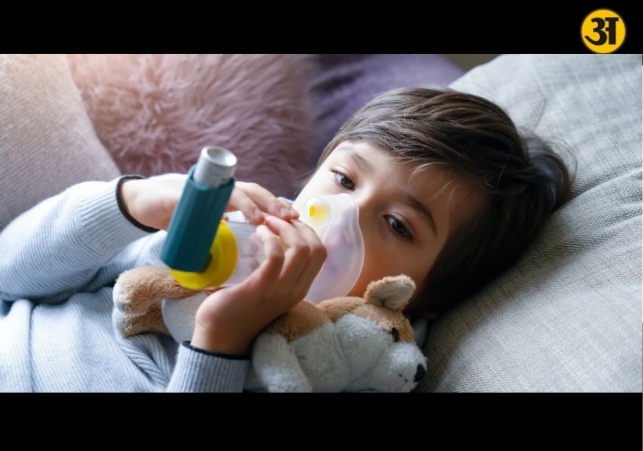
After birth, the lungs continue to grow rapidly. Repeated exposure to polluted air can affect both lung structure and function. Early signs include frequent coughs, repeated chest infections, and wheezing. Over time, children with reduced lung reserve may struggle during viral infections, cold weather, or physical activity.
Air pollution also harms immunity. The airways’ natural protective mechanisms get weakened, making it easier for infections to take hold and harder for children to recover. This can lead to repeated illness cycles.
Pollution affects brain development as well. Studies link early exposure to lower cognitive function, attention difficulties, learning disabilities, and even conditions like ADHD. Children exposed to polluted air may have lower IQ, poor academic performance, and increased risk of behavioral challenges.
These effects can continue into adolescence and adulthood. Dr Suryawanshi explains that early exposure can set a child’s baseline for immunity, lung capacity, vascular function, and metabolism. Even if a child appears healthy, their underlying resilience may be reduced, increasing susceptibility to asthma, allergies, infections, and cardiovascular issues.
ALSO READ: India-EU trade deal set to cut costs for Indian buyers
ALSO READ: Maduro’s US custody case begins as he faces drug and narco‑terrorism charges
What families and communities can do
Preventing the harmful effects of pollution requires action at multiple levels. At the policy level, experts stress the importance of science-backed clean air policies, regular air quality monitoring, and promoting clean energy sources.
Communities can help by creating green spaces and monitoring air quality near schools and playgrounds. Families can take steps at home, such as avoiding high-pollution areas like busy roads, using cleaner indoor fuels, and supporting overall healthy lifestyles. Simple practices like washing hands regularly, keeping windows closed during high pollution days, and maintaining a nutritious diet can also reduce health risks.
The key message from doctors is that early awareness and action can make a significant difference. Limiting exposure to polluted air during pregnancy, infancy, and early childhood protects developing lungs, supports immunity, and reduces long-term risks for learning difficulties and chronic illnesses.
By combining policy-level changes, community support, and family practices, children can grow up healthier and more resilient, even in areas with higher pollution levels. Early intervention is not just about immediate relief—it shapes a child’s health for life.
Related News