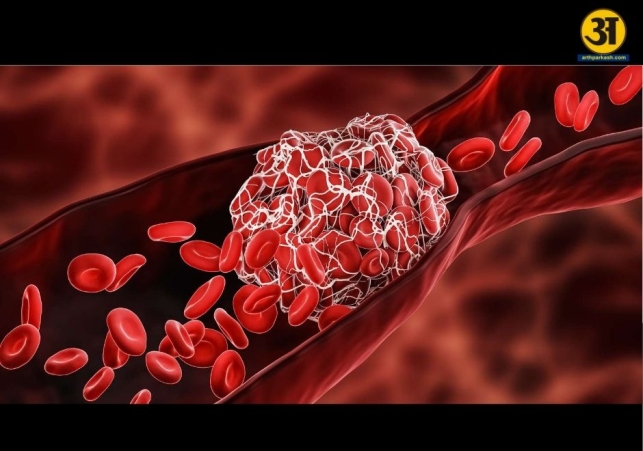
Cold weather and thicker blood: Reasons explained
How cold weather makes your blood thicker and affects your health
- By Gurmehar --
- Monday, 05 Jan, 2026
Winter brings cold temperatures that quietly change how our bodies work. One important change is in the way blood flows. According to Dr. Madhukar Bhardwaj, Director and Head of Neurology at Aakash Healthcare, cold weather can make blood thicker and more likely to form clots. This increases the risk of heart attacks, strokes, and other cardiovascular problems. Understanding why blood thickens in winter can help people take simple steps to protect their heart and brain health.
Dr. Bhardwaj explains that during the winter, the body goes through several natural changes to protect itself from cold. While these changes are useful for survival, they can also make blood flow slower and blood thicker. This makes the heart work harder and raises the risk of clot formation.
Why cold makes blood thicker
One of the main reasons blood thickens in cold weather is vasoconstriction. When it is cold, blood vessels, especially near the skin, become narrow to prevent heat loss and keep the core body temperature stable. While this protects the body from cold, it also slows down blood flow. Dr. Bhardwaj says, “When vessels constrict, blood moves more slowly and resistance increases. This raises blood viscosity, making circulation less efficient and putting extra pressure on the heart.”
Another factor is dehydration, which is often overlooked in winter. Cold weather reduces our feeling of thirst, so people drink less water. At the same time, the body produces more urine in cold weather, which removes extra fluid from the blood. This decreases plasma volume, the liquid part of blood, making red blood cells, platelets, and clotting factors more concentrated. As a result, blood becomes thicker and clots more easily.
Seasonal changes also affect certain blood components. Research shows that fibrinogen, a protein important for blood clotting, increases in colder months. Higher fibrinogen levels make blood “stickier,” raising the risk of clot formation.
Cold exposure also activates the sympathetic nervous system, which releases stress hormones like adrenaline and noradrenaline. These hormones increase heart rate and blood pressure and make platelets more active. Active platelets are more likely to clump together, which can lead to dangerous clots. People with conditions like high blood pressure, diabetes, or high cholesterol are especially at risk.
ALSO READ: US strikes Venezuela, captures Nicolas Maduro, but is it legal under international law?
ALSO READ: Explained: Why China’s contraceptive tax shows the limits of pro-natalist policies
Winter often means less physical activity, which slows circulation. When people move less, blood pools in the legs and stagnates. Combined with vasoconstriction and dehydration, this further increases blood thickness.
All these factors together explain why doctors often see more strokes and heart emergencies during winter. Thicker blood forces the heart to work harder and makes it easier for clots to block arteries that supply the brain or heart. Even a small clot can cause serious health problems.
Simple ways to protect yourself
Dr. Bhardwaj suggests easy steps to reduce the risk of thick blood and clots in winter:
-
Drink enough water: Stay hydrated even if you do not feel thirsty. Cold weather can hide your body’s need for fluids.
-
Keep warm: Wear layers and cover exposed areas to reduce excessive narrowing of blood vessels.
-
Stay active: Regular physical activity helps blood flow and prevents clot formation.
-
Avoid sitting too long: Move around frequently, especially in cold environments, to keep circulation steady.
He says that winter care is not just about staying warm. Hydration, movement, and awareness are crucial for protecting the heart and brain. Following these steps can reduce the risk of dangerous complications caused by thicker blood.
In summary, winter brings natural changes that make blood thicker and more prone to clotting. Vasoconstriction, dehydration, seasonal increases in clotting proteins, stress hormones, and reduced movement all contribute to slower circulation. Thicker blood can strain the heart and increase the chance of stroke or heart attack.
By drinking enough fluids, staying warm, moving regularly, and being aware of circulation risks, people can protect their health during the cold months. Simple habits like these can make a big difference in preventing cardiovascular problems in winter.
Related News


.jpg)