New rules from January 1 on UPI, salary, Aadhaar-PAN and PM Kisan
What changes for you from January 1? New rules on UPI, salary, Aadhaar-PAN and PM Kisan explained
As 2025 comes to an end, several new rules and changes are set to take effect from January 1, 2026. These changes will impact many aspects of daily life in India, including digital payments, government schemes, salaries for employees, and tax compliance. Citizens should be aware of these updates to avoid any inconvenience and make necessary preparations. The main areas affected include UPI transactions, PM Kisan benefits, government employee salaries under the 8th Pay Commission, and Aadhaar-PAN linking rules.
Changes in government schemes and salaries
PM Kisan scheme updates
The PM Kisan scheme, which provides financial support to farmers, will now require all beneficiaries to have a unique Kisan ID. This step has been introduced to ensure that the benefits reach the right farmers and to reduce fraudulent claims. Farmers who do not have a Kisan ID will need to register for one to continue receiving monthly financial support.
8th Pay Commission implementation
From January 1, 2026, the 8th Pay Commission will come into effect. This is a major development for central government employees and pensioners, as it will lead to a significant increase in salaries and pensions. The government has also announced that arrears for eligible employees will be calculated and paid later. This increase is expected to improve the financial situation of many employees across the country.
Changes in taxes, UPI, and fuel prices
Aadhaar-PAN linking deadline
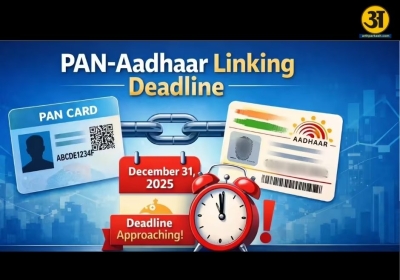
The deadline for linking Aadhaar with PAN is December 31, 2025. Any citizen who fails to link their PAN and Aadhaar before this date will face consequences. From January 1, 2026, PAN numbers that are not linked with Aadhaar will become inactive, which can affect tax filing and other financial transactions. It is therefore crucial for citizens to ensure that their PAN and Aadhaar are linked before the deadline.
UPI and digital payments
To strengthen digital security and reduce cyber fraud, UPI rules and other digital payment regulations will undergo changes. Mobile SIM verification will become stricter to prevent fraudulent transactions. Users making payments through UPI, bank accounts, or mobile wallets must ensure their accounts are properly verified, as these measures are designed to protect users from online scams and unauthorized transactions.
Fuel price revisions
Prices of LPG gas cylinders, PNG (piped natural gas), CNG (compressed natural gas), and ATF (aviation turbine fuel) will be revised on January 1, 2026. These prices are updated every month based on market conditions and government policies. Consumers should be prepared for the revised prices, which will remain in effect throughout the month.
Automobile price changes
Several automobile companies have indicated that the prices of vehicles may increase starting January 1, 2026. Buyers planning to purchase new cars or two-wheelers may want to consider this when making decisions, as the price revisions could impact budgets and loan requirements.
ALSO READ: Is low ovarian reserve normal in your 20s or 30s? Fertility expert answers
ALSO READ: The new 'high command' is BJP's jodi number one
What citizens need to do
To avoid issues, citizens should take a few important steps before January 1:
-
Link PAN and Aadhaar: Ensure your PAN card is linked with your Aadhaar to avoid deactivation and complications while filing taxes.
-
Verify UPI and mobile accounts: Complete all necessary verification for mobile SIMs and bank accounts to continue using digital payments without disruptions.
-
Farmers update Kisan ID: Farmers should register for a unique Kisan ID if they do not already have one to continue receiving PM Kisan benefits.
-
Plan for salary changes: Government employees should be aware of the 8th Pay Commission implementation and keep track of revised salaries and arrears.
-
Check fuel and vehicle prices: Consumers should prepare for monthly fuel price revisions and potential automobile price increases from January 1.
These changes reflect the government’s ongoing efforts to improve digital security, ensure transparency in schemes, and streamline financial processes for citizens. By being informed and completing the necessary steps, individuals can avoid financial inconveniences and continue to access essential services without disruption.
In conclusion, January 1, 2026, marks the start of several important financial and administrative changes in India. From linking Aadhaar and PAN to new rules for UPI, revised salaries, and PM Kisan updates, the changes affect millions of citizens across the country. Awareness and timely action will help ensure a smooth transition into the new year.
Related News