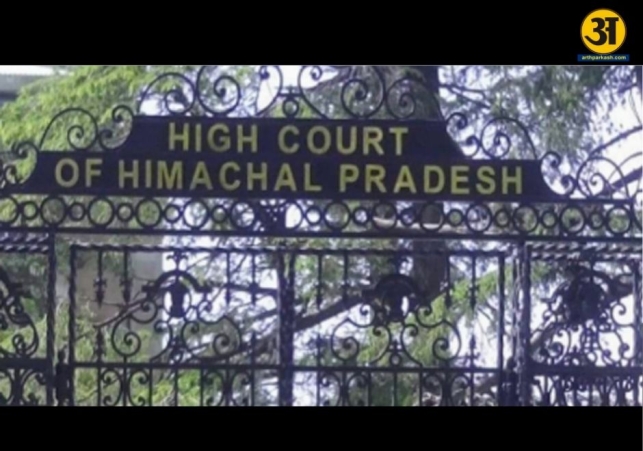
HC rejects bail for drug racket mastermind
Himachal HC dismisses bail plea of alleged mastermind in drug racket
- By Gurmehar --
- Friday, 12 Dec, 2025
The Himachal Pradesh High Court has rejected the bail application of Sandeep Shah, a key figure in a heroin supply network operating in Shimla. The court noted that granting him bail would be “a bane for the society” given the growing drug problem in the state. Justice Sandeep Sharma highlighted that the drug menace is affecting the youth of Himachal Pradesh, and families are now more concerned about their children getting involved in drugs than about their careers. The ruling reflects the judiciary’s concern over repeated drug-related offences and the risk to public safety if habitual offenders are released prematurely.
Sandeep Shah was arrested on April 21, 2025, and is accused of running a heroin supply chain into Shimla through couriers, online messaging, virtual phone numbers, and QR code-based payment methods. His network reportedly handled financial transactions using UPI and other digital platforms, while shipments of drugs were delivered via courier services from Delhi. Investigations revealed that Shah had links with a Delhi-based African supplier and was already known to law enforcement for previous drug-related offences. According to court records, he has been involved in multiple NDPS (Narcotic Drugs and Psychotropic Substances) cases since 2021, and five NDPS cases along with one IPC case are still pending against him. The court also noted that Shah had been declared a proclaimed offender multiple times for absconding during trial proceedings.
The case first came into focus in April 2024 when Veer Singh, a courier, was arrested near Lalpani bus stop with 7.98 grams of heroin. Subsequent investigations connected Shah to the supply network through WhatsApp communications, financial trails, and shipment records. The police established that the drugs were routed systematically using multiple couriers, digital communication, and QR code payments. This organized system reflected a sophisticated operation, raising concerns for law enforcement and the judiciary about the potential impact on Shimla and surrounding areas.
History of the accused
The High Court’s decision emphasized Shah’s history as a habitual offender and the risk posed by his release. Justice Sharma wrote that although the legal principle assumes a person is innocent until proven guilty, Shah’s record casts doubt on his willingness to follow court procedures. He has been declared a proclaimed offender three times, showing a clear pattern of evading legal processes. The court observed that if Shah were to be released on bail, he could resume criminal activity related to drug trafficking, endangering society further.
The order also mentioned Shah’s multiple addresses and his conduct during trials in other cases. These factors, combined with the court’s directive from the Supreme Court to conclude ongoing trials within a year, convinced the judges that bail was inappropriate. Justice Sharma noted that while personal liberty is important, it cannot be granted in a way that harms public interest, especially given the state’s escalating drug crisis. The court concluded that Shah’s release would pose a threat to society, and therefore, his bail application was dismissed.
ALSO READ: The Thinking Game shows Silicon Valley is not thinking deeply about AI
The state’s fight against drugs
Himachal Pradesh is currently facing a serious drug problem, with heroin and other narcotics becoming increasingly accessible to the youth. Families across the state are expressing fear about the safety of their children, while law enforcement agencies struggle to dismantle organized networks. Cases like Shah’s demonstrate how drug mafias use modern technology, online messaging, and cashless payments to operate efficiently and avoid detection.
Authorities have been tracking these networks carefully, relying on arrests, surveillance, and financial investigations to dismantle operations. The state government and police continue to warn the public against drug use and emphasize community vigilance. Court rulings like the rejection of Shah’s bail send a strong message to habitual offenders that the judiciary will not tolerate repeated criminal activity that threatens public safety.
The High Court’s decision is expected to strengthen ongoing efforts to curb drug trafficking and reassure the public that strict measures are being enforced against criminals. Forestalling bail for Shah ensures that he remains in custody while trials continue, preventing potential harm to the community and disrupting the heroin supply network in Shimla.
Authorities continue to investigate and monitor drug networks, and citizens are encouraged to cooperate with law enforcement. The case highlights the importance of stringent action against organized crime and the judiciary’s role in maintaining law and order. As trials progress, the court’s firm stance against habitual offenders is likely to serve as a deterrent for others involved in similar activities, helping reduce the influence of drug mafias in the state.
Related News