Haryana to draft plan to end child begging
Haryana government to prepare roadmap to eradicate child begging
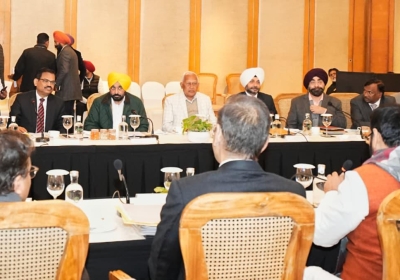
The Haryana government has decided to create a clear action plan to end child begging in the state. This plan was discussed in a high-level meeting led by Sudhir Rajpal, the additional chief secretary of the Women and Child Development (WCD) Department. The meeting brought together senior officials from the police, child protection services, health, labour, and social welfare departments.
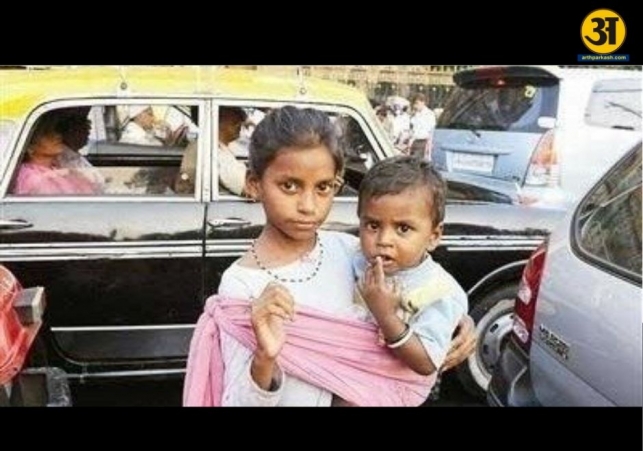
The goal is to deal with the real reasons behind child begging and to stop it completely. Officials agreed that in many cities, begging is not just a result of poverty but is part of organised criminal rackets. These rackets force children to beg so they can earn money for others.
Rajpal explained that children are often pushed into this situation by cartels, traffickers, or even relatives. “It takes away their chance to get an education, exposes them to abuse, and traps them in a life of hardship,” he said.
This new plan is supported by the Union government’s SMILE scheme (Support for Marginalised Individuals for Livelihood and Enterprise). The Haryana State Commission for Protection of Child Rights (HSCPCR) will lead the rescue and rehabilitation work for children forced into begging.
Three-step plan to end the problem
The new strategy will work in three phases. The first phase is mapping the problem. The district administration, WCD department, and NGOs will work together to identify begging hotspots like traffic signals, temples, and busy markets. They will also do a headcount of child beggars and find out which ones are orphans, abandoned, or have no family support.
The second phase is rescue and protection. Children will be removed from begging spots, given immediate care, and protected from people who might exploit them again.
The third phase is long-term rehabilitation. This means giving children proper education, helping them develop skills for the future, and making sure they do not return to begging. Regular monitoring will be done to track their progress and well-being.
Rajpal said that child begging is a violation of human rights. “Haryana is committed to breaking this vicious cycle through rescue, rehabilitation, and strict action against those who profit from it,” he said.
ALSO READ: World Organ Donation Day 2025: History, significance, and how you can become a donor
ALSO READ: Significance of IAF downing an ELINT, AEW&C aircraft in Operation Sindoor
Next steps for the plan
The officials agreed that action must be taken quickly. A follow-up meeting will be held in 15 days to check how much progress has been made, review the first rescue operations, and finalise strategies to apply the plan across the entire state.
The government’s main aim is to protect children from exploitation, give them a chance to study, and create a safer environment where no child has to beg to survive.
Related News