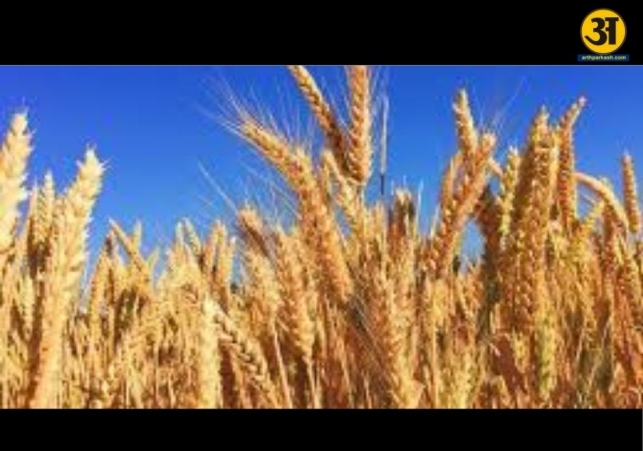
Haryana raises subsidy on certified wheat seeds
Haryana government hikes subsidy on certified wheat seeds for farmers
The Haryana government has announced a hike in subsidy on certified wheat seeds, giving much-needed relief to farmers ahead of the sowing season. According to an official spokesperson, the subsidy has been increased to ₹1,075 per quintal for the 2025–26 season, compared to ₹1,000 per quintal last year.
This decision is aimed at making high-quality certified seeds more affordable and ensuring better crop yield across the state. Certified seeds are carefully tested for quality and germination, making them more reliable than ordinary seeds. The move is expected to benefit lakhs of farmers in Haryana, which is one of the leading wheat-producing states in India.
Certified seeds to be sold through multiple agencies
The government has announced that the subsidised certified wheat seeds will be distributed through various official sales counters across Haryana. These include well-known agencies such as the Haryana Seeds Development Corporation (HSDC), National Seeds Corporation (NSC), Haryana State Cooperative Supply and Marketing Federation (HAFED), Haryana Land Reclamation and Development Corporation (HLRDC), Indian Farmers Fertiliser Cooperative (IFFCO), Krishak Bharati Cooperative (KRIBHCO), and National Fertilizers Limited (NFL), among others.
Farmers will be able to buy certified seeds at these centres at the subsidised rate, ensuring transparency and wide availability. The presence of multiple agencies also means that distribution will be faster, smoother, and free of monopolies.
At present, wheat is cultivated on nearly 60 to 62 lakh acres of farmland in Haryana. Every year, about 12 to 14 lakh quintals of certified wheat seeds are used in the state. Out of this, government agencies supply around 5.5 lakh quintals, while the remaining demand is met by private seed producers. By increasing the subsidy, the government hopes to encourage more farmers to choose certified seeds supplied through official channels, which can improve both productivity and crop quality.
Boost to farmers and state’s food security
The decision comes at a time when farmers are facing rising input costs, including fuel, fertilisers, and labour charges. By providing a higher subsidy on certified wheat seeds, the Haryana government aims to ease some of the financial burden and motivate farmers to adopt better farming practices.
Certified seeds generally have a higher germination rate, better disease resistance, and the potential for greater yields compared to uncertified or recycled seeds. As a result, their use directly impacts the overall wheat production in the state. Haryana plays an important role in India’s food security, as it is one of the largest contributors to the central pool of wheat procured for public distribution. Ensuring that farmers have access to quality seeds at affordable prices is therefore crucial not only for local farmers but also for the nation’s food supply chain.
The state government’s move has also been welcomed by agricultural experts, who believe that encouraging farmers to shift towards certified seeds will result in higher productivity. They note that while private seed producers also supply a significant share of seeds, government-subsidised seeds offer farmers a more affordable and reliable option.
Larger efforts to support agriculture
The wheat subsidy is part of Haryana’s larger efforts to support agriculture and improve farmers’ income. In recent years, the state government has launched multiple schemes aimed at crop diversification, better irrigation, use of technology in farming, and promoting environmentally friendly practices.
For instance, schemes that support crop residue management, water conservation, and use of bio-fertilisers are already in place. The hike in wheat seed subsidy adds to these initiatives by directly addressing the basic input cost for farmers. Officials believe that such measures not only provide short-term relief but also help in achieving long-term sustainability in farming.
Meanwhile, farmers’ unions have demanded that the government also ensure timely supply and fair distribution of subsidised seeds. They have often complained about shortages during the sowing season, which forces farmers to buy seeds from private dealers at higher prices. Addressing these distribution challenges will be crucial for the success of the scheme.
ALSO READ: Bihar elections 2025: Voters weigh change against continuity
ALSO READ: Kejriwal targets Congress leadership in new political move
The road ahead
With sowing season around the corner, the Haryana government’s announcement comes at the right time. Farmers are now preparing their fields, and access to affordable, certified seeds will help them plan their crops better.
The state’s agricultural future depends not only on subsidies but also on consistent support through research, innovation, and farmer training. Experts suggest that while subsidies are important, the government must also focus on creating awareness among farmers about the benefits of certified seeds, modern techniques, and sustainable practices.
As Haryana continues to be a key contributor to India’s wheat supply, the increased subsidy is a step forward in securing both farmers’ livelihoods and the nation’s food grain reserves. With millions depending on agriculture in the state, such policies have the potential to make a real difference in rural life and the larger economy.
Related News