Haryana DGP calls for action on accident hotspots and road safety
Haryana DGP directs police to identify accident hotspots and strengthen road safety measures
- By Gurmehar --
- Monday, 10 Nov, 2025
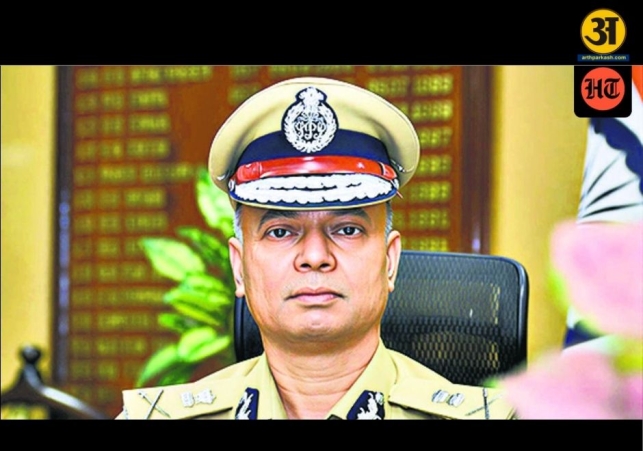
Haryana Director General of Police (DGP) O P Singh has issued a strong advisory to all police officers across the state to take immediate steps to reduce road accidents and save lives. In his message on Monday, he called the situation “a matter of grave concern,” noting that Haryana recorded nearly 4,000 deaths due to road accidents between January and October this year — five times more than the number of murders during the same period.
The DGP said the growing number of accidents required a “humanitarian and mission-oriented approach” from the police. He asked all commissioners, superintendents of police, station house officers (SHOs), and traffic in-charges to work in a coordinated way and identify accident-prone areas to prevent further loss of life.
According to his directive, police officers must locate and map all accident hotspots and blind spots in their respective areas. Once identified, they should study the main causes — such as speeding, poor visibility, or wrong parking — and take immediate corrective steps.
The advisory instructed that no vehicle should be left parked on the roadside without warning signs. If a vehicle has to stop or break down, it should have reflective tape or warning lights so that other drivers can spot it from a distance, especially at night.
Singh stressed that trucks, trailers, and heavy vehicles should not be allowed to park for long periods on highways, as such practices often lead to fatal crashes. He said that where frequent violations occur, local police must enforce 15–20 day parking restrictions and place reflectors and lighting near toll plazas to ensure better nighttime visibility.
The DGP reminded officers that reducing accidents is not just a law-and-order duty but a moral and social responsibility. “Each life saved through your action counts,” he wrote in his letter, urging officials to treat the issue with utmost seriousness.
Safety enforcement, driver regulation, and quick medical aid
The advisory also focused on the role of coordination between police, highway authorities, and other departments in improving road safety. DGP Singh asked officers to work closely with highway operators to make sure that truck and bus drivers are properly registered and that their travel schedules include enough rest breaks.
He said that one major reason for highway accidents is that drivers often drive continuously without rest, leading to fatigue and slower reaction times. Singh warned that such behaviour would no longer be tolerated and that drivers would face legal action for negligence causing harm or death.
The DGP also directed the Public Works Department (PWD) and road maintenance teams to ensure that all major roads and highways have proper signboards, warning indicators, and barricades at construction or diversion sites. He added that if a major accident occurs, the investigation will not only check driver error but also look into possible road design or engineering faults that might have contributed to the mishap.
To ensure a faster response to emergencies, the DGP instructed all police units to set up systems for immediate medical assistance. Accident victims must be taken to the nearest hospital within the “golden hour”—the first hour after an accident when timely treatment can save lives.
ALSO READ: Tech glitch cripples Delhi airport operations, hundreds of flights face major delays
ALSO READ: BJP still needs Nitish Kumar despite differences in Bihar politics
Singh also emphasised coordination with local hospitals and emergency services so that medical teams are ready to handle accident cases without delay. “A minute’s delay can cost a life,” he wrote, stressing the need for efficiency and teamwork.
Appealing to the public, he urged citizens to act responsibly on the roads. “Remind people that roads are not private property,” Singh said. “Those who flout rules and endanger lives will find their place behind bars.” He added that awareness campaigns should be held to educate both drivers and pedestrians about road safety, use of helmets and seatbelts, and the dangers of overspeeding and drunk driving.
The DGP’s advisory also called for strict enforcement drives to check overspeeding, use of mobile phones while driving, and wrong-side movement of vehicles. Local police units were asked to conduct surprise checks and issue fines wherever violations occur.
To ensure accountability, Singh asked all district police chiefs to submit detailed reports on the number of road accidents and deaths in their areas for November and December. The reports must also list the preventive measures taken and their impact.
Districts that show a notable decline in accident-related deaths will be recognised and honoured on Republic Day, he said. This, he added, would motivate officers to work harder and share best practices across districts.
Singh ended his letter with a strong appeal to all officers: “Hundreds of lives can be saved through your efforts. Act today.”
A growing challenge for Haryana
Road safety has become one of Haryana’s biggest challenges in recent years, with rising traffic and expanding road networks. Experts say that careless driving, poor visibility at night, and long-distance freight movement have all contributed to the growing number of accidents.
According to officials, nearly 11 people die on Haryana’s roads every day, and many more suffer serious injuries. Highways such as the Delhi–Jaipur, Dwarka Expressway, and Ambala–Hisar routes have seen frequent accidents due to reckless driving, improper parking, and speeding heavy vehicles.
With the DGP’s new directions, the state police hope to create a visible change in enforcement and awareness. The emphasis on accident mapping, roadside monitoring, and faster emergency response could mark a major shift in how the state handles road safety.
If successfully implemented, the initiative could reduce fatalities significantly and make Haryana’s highways safer for everyone — from daily commuters to long-distance travellers.
Related News