Government hopes for support on key bills
Women's reservation and delimitation bills may split Opposition, Congress could face isolation
- By Gurmehar --
- Friday, 17 Jul, 2026
The upcoming Monsoon Session of Parliament could witness intense political debate as the central government considers moving forward with important legislative proposals, including the Women's Reservation Bill and the Delimitation Bill. According to sources, the government believes that several opposition members may support these measures if they are introduced, potentially leaving the Congress party isolated on the issue.
At the same time, sources indicated that the government is not planning to introduce the One Nation, One Election (ONOE) Bill during the Monsoon Session, which is scheduled to begin next week. While there is still no official confirmation on whether the Women's Reservation Bill and the Delimitation Bill will be tabled, discussions around both proposals are already shaping the political atmosphere ahead of the session.
The Monsoon Session of Parliament will run from July 20 to August 13 and is expected to see several important legislative and political discussions.
Government focuses on key legislative agenda
According to sources, the government's immediate priority is to ensure the passage of several pending ordinances and legislative measures. Among them is the Supreme Court (Number of Judges) Amendment Bill, 2026, which seeks to increase the sanctioned strength of Supreme Court judges from 33 to 37.
The government believes that expanding the number of judges will help reduce the burden on the country's highest court and improve the speed of judicial proceedings. As a result, getting this bill passed is expected to be one of the government's major objectives during the upcoming session.
Apart from this, attention is also focused on the possibility of introducing the Women's Reservation Bill and the Delimitation Bill. Sources said the ruling Bharatiya Janata Party-led National Democratic Alliance (NDA) feels that several opposition MPs may support these proposals despite broader political differences with the government.
If that happens, Congress could find itself in a difficult position. While many opposition parties have criticised the government on various issues, some may choose to back these bills because of their significance and public appeal. Such a development could weaken efforts to present a united opposition front inside Parliament.
Meanwhile, the government is not expected to bring the One Nation, One Election Bill during this session. The proposal, which aims to hold Lok Sabha and state assembly elections simultaneously, remains under examination by a Joint Parliamentary Committee (JPC).
The bill was introduced during the Winter Session of Parliament last year and was subsequently referred to the committee for detailed review. The JPC is headed by BJP MP PP Chaudhary, and its tenure has been extended until August 10, indicating that discussions and consultations on the proposal are still ongoing.
Prime Minister Narendra Modi has repeatedly supported the idea of simultaneous elections, arguing that frequent elections consume significant time, resources and administrative effort. According to supporters of the proposal, conducting elections together could improve governance and reduce expenditure.
However, opposition parties have raised concerns about the proposal, saying it requires broader consultation and careful examination before any decision is made.
ALSO READ: Trump imposes 25% tariff on some Brazilian imports after trade investigation
ALSO READ: Fahadh Faasil explains why he turned down Alejandro G. Iñárritu's Hollywood project
Debate continues over major reforms
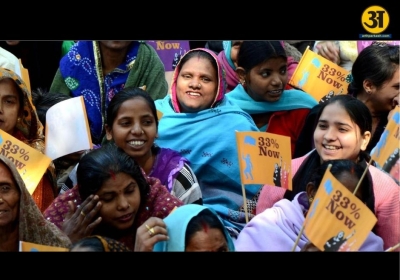
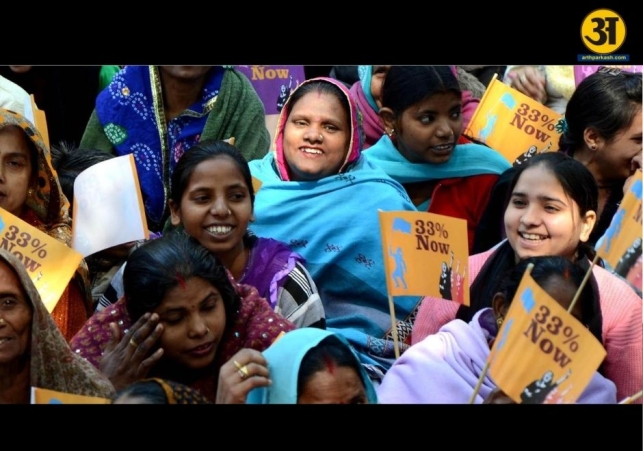
The Women's Reservation Bill remains one of the most discussed legislative proposals in recent years. The Constitution (131st Amendment) Bill, 2026, which is linked to women's reservation, failed to secure enough support during the previous session of Parliament.
During voting in the Lok Sabha, the bill received 298 votes in favour while 230 MPs voted against it. Although it secured majority support, it fell short of the two-thirds majority required for passage, preventing it from becoming law.
The issue has sparked considerable debate across the political spectrum. Most opposition parties have maintained that they support the idea of increasing women's representation in legislatures. However, concerns have been raised regarding its connection with the delimitation process.
Delimitation refers to the redrawing of parliamentary and assembly constituencies based on population changes. Opposition leaders, particularly from southern states, have expressed fears that the exercise could alter the balance of representation in Parliament.
Their main concern is that states which have successfully controlled population growth may end up losing relative representation compared to states with larger population increases. Critics argue that such an outcome could reduce the political influence of southern states in national decision-making.
The government has consistently rejected these concerns. It has repeatedly assured that southern states will not lose their representation in Parliament and has defended the proposed delimitation process as necessary for ensuring fair and balanced representation across the country.
Despite these assurances, the issue remains politically sensitive. The debate over delimitation is likely to play a major role in discussions surrounding women's reservation and broader electoral reforms.
Congress and other opposition parties have indicated that they want greater clarity from the government before taking a final position on these proposals. They have also called for wider discussions and consultations before any major constitutional changes are introduced.
Congress MP KC Venugopal recently questioned how the government could expect to pass major legislation without first engaging with opposition parties. He said the opposition would need to understand the details of any proposal before deciding its stand.
As Parliament prepares for its Monsoon Session, political observers believe that the Women's Reservation Bill and Delimitation Bill could become some of the most closely watched issues. If sections of the opposition decide to support the measures, it could create new political alignments and put additional pressure on Congress.
With the session beginning on July 20, all eyes will be on the government's legislative strategy and the opposition's response. Whether these key bills are introduced or not, they are already shaping the political narrative and are expected to dominate discussions in Parliament in the coming weeks.
Related News