Gender‑sensitive planning is the key to safer, fairer Indian cities
Why every Indian city needs gender‑sensitive urban planning
Indian cities overlook everyday needs of women
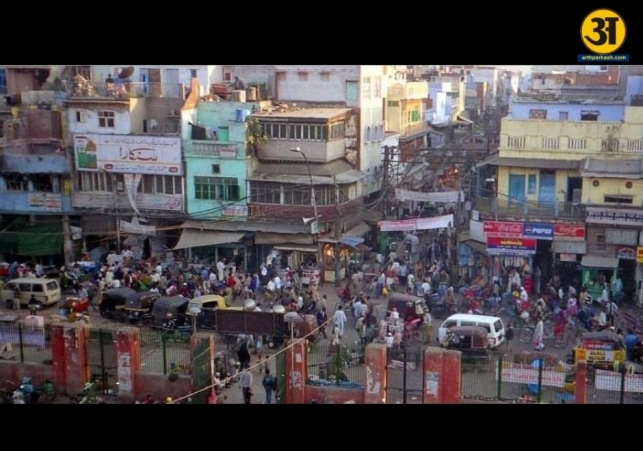
For cities to be fair, safe, and welcoming to everyone, they must be built that way. Yet most Indian cities are still designed around the routines of men. Public transport is patchy, streets are dark, footpaths are broken or missing, public toilets are scarce, and childcare close to work is rare. These gaps limit how women move, work, care for families, and participate in city life. The United Nations’ Sustainable Development Goals (SDGs), adopted in 2015, call on countries to build inclusive, safe, resilient, and sustainable cities—with a special focus on women and girls. Indian cities have a long way to go.
A 2019 study placed Indian metros such as Delhi, Mumbai, and Bengaluru among the least inclusive and equitable globally. Current research by the Vidhi Centre for Legal Policy is examining Bengaluru through a feminist lens to understand how laws, planning norms, and public spaces ignore women’s needs. The lessons apply across urban India.
To understand the gap, it helps to break down what an equitable city should offer:
-
Physical infrastructure: well‑lit streets, wide and usable footpaths, free and clean public toilets open 24/7, benches, and safe parks.
-
Social infrastructure: community housing, shelter homes, child‑care centres, skills centres, and spaces for community support.
-
Mobility infrastructure: reliable, frequent, low‑cost public transport—especially buses—with safe, well‑maintained stops and last‑mile links.
-
Institutional infrastructure: public hospitals, reproductive and mental health services, legal aid centres, and one‑stop crisis centres for survivors of violence.
Women do not use cities the same way men do—and not all women use them the same way either. Class, caste, religion, disability, age, sexuality, and marital status shape access. Urban planning that assumes a single “neutral” user ends up favouring the able‑bodied, full‑time, wage‑earning male commuter.
Consider mobility patterns. A person whose day is limited to paid work typically travels in a straight line: home → workplace → home. But many women carry unpaid care responsibilities in addition to paid work. Their travel involves “trip chaining”: school drop‑off, market stop, clinic visit, office, elder care, and back home—often using multiple transport modes, at off‑peak hours, with children or goods in tow. If buses are infrequent, footpaths unsafe, or stops unlit, these linked trips become stressful, slow, or dangerous. Transport policies that ignore trip chaining effectively exclude women.
When cities fail to plan for these realities, they become hostile and discriminatory in practice—even without intending to. Women reduce travel, avoid certain hours, skip jobs far from home, or drop out of the workforce entirely. Urban exclusion then deepens economic and social inequality.
ALSO READ: Why speedy justice is no longer a luxury but a right in India
ALSO READ: Clean air is not a luxury—it’s a right every urban worker deserves
Planning with a gender lens can transform cities
Change must begin with who gets to plan a city. In Bengaluru, for example, core urban planning powers sit with the Bangalore Development Authority—an agency with no direct citizen representation, let alone structured inclusion of women. Municipal laws need amendment to require participatory planning and gender representation at every stage—data collection, budget setting, design, monitoring, and evaluation.
International models show how law can drive change. The Catalan Neighbourhood Law (2004) in Spain linked public funding for urban projects to the inclusion of a gender perspective. India can adapt this approach: make money flow only to projects that show how women, girls, and gender‑diverse people will benefit.
Practical entry points for Indian cities include:
-
Collect gender‑disaggregated data. Who uses buses? Who avoids parks after dark? Data must capture class, caste, and disability too.
-
Hold focus group discussions with women. Ask what stops them from using streets, transport, or services.
-
Conduct neighbourhood safety audits. Map dark spots, broken lights, unsafe crossings, and harassment hotspots.
-
Use community mapping with women’s groups. Mark childcare gaps, unsafe routes to work, and missing toilets.
-
Integrate results into transport and land‑use plans. Frequency, routes, lighting, and public amenities must reflect women’s mobility patterns.
A feminist urbanism approach goes further. It argues that resource allocation, public space design, and service delivery should actively correct historic exclusion. Streets should invite women—not push them to “move along.” Bus stops should be lit, visible, and connected by walkable paths. Public toilets must be safe, free, and open round‑the‑clock. Crisis, legal, and health support must be within reach of low‑income communities, not only central business districts. Plans must also include trans, gender‑queer, elderly, and disabled users.
Gender‑sensitive urban planning is not a “women’s add‑on.” It is smart city building. When streets are lit, transport reliable, and services close to home, everyone benefits—children, elders, migrants, gig workers, and persons with disabilities. Inclusive design strengthens safety, mobility, health outcomes, and the local economy.
Indian cities cannot claim to be modern while half their residents move through fear, inconvenience, and exclusion. Planning with women in mind builds better cities for all.
Related News