Fuel purchase caps introduced as shortages fears grow
Reliance limits fuel sales to ₹1,000 per customer amid supply concerns
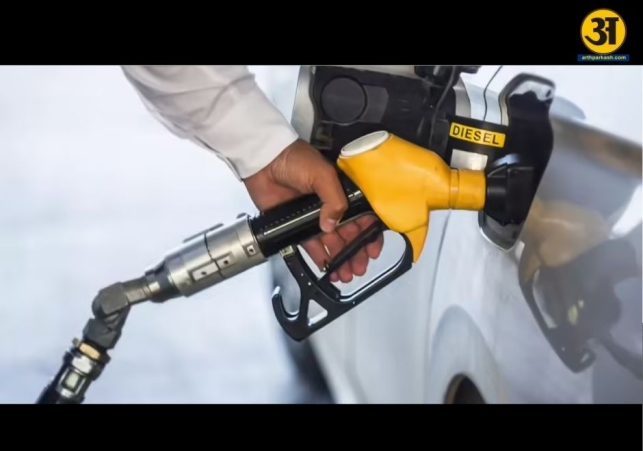
India is facing growing concerns over fuel supply as global tensions continue to affect oil movement. In response, Reliance Industries has started limiting fuel sales at some of its petrol pumps. Customers are being allowed to buy fuel worth only ₹1,000 per visit at outlets run under its joint venture with BP Plc.
This move comes at a time when the supply of crude oil has been disrupted due to ongoing tensions in West Asia. Even though a temporary ceasefire is in place, the situation remains uncertain, and fuel availability is under pressure.
The company has not officially announced this rule. However, several pump operators have started enforcing the limit to prevent panic buying and ensure that fuel is available for more people.
Supply disruptions and rising pressure
India is the world’s third-largest consumer of oil and depends heavily on imports for its energy needs. More than 90 per cent of the country’s oil comes from abroad, making it vulnerable to global disruptions.
One of the key reasons behind the current situation is the slowdown in oil shipments through the Strait of Hormuz. This narrow waterway is one of the most important routes for transporting crude oil and natural gas.
Due to recent conflicts in the region, tanker movement has been affected. Even though some ships have resumed operations after the ceasefire, the flow is still not normal. Insurance companies continue to consider the area high-risk, which makes shipping more difficult and expensive.
As a result, oil supply chains have been disturbed, and countries like India are feeling the impact. Fuel demand within the country has also increased, leading to fears of shortages in some areas.
To manage this situation, fuel retailers are taking steps to control demand. Limiting the amount of fuel each customer can buy helps prevent hoarding and ensures fair distribution.
ALSO READ: Iran proposes oil transit fee in cryptocurrency during fragile Hormuz ceasefire
Impact on consumers and fuel market
The fuel cap introduced by Reliance applies to its network of more than 2,000 petrol pumps across the country. Although this is only a small part of India’s total fuel stations, it is the first major step towards rationing fuel in the current crisis.
State-run companies such as Indian Oil Corporation, Bharat Petroleum Corporation and Hindustan Petroleum Corporation have not officially introduced such limits. However, there are reports that some of their outlets may also be informally restricting sales.
Another private company, Nayara Energy, has already increased fuel prices recently. The aim was to reduce losses and control demand.
At present, fuel retailers in India are facing financial pressure. According to government data, companies are losing money on every litre of fuel sold. This is because global oil prices have risen, while retail prices have not increased accordingly.
The current situation shows how global events can directly affect everyday life. When supply chains are disrupted, it leads to higher prices, limited availability and changes in how fuel is sold.
For consumers, this means they may need to plan their fuel usage more carefully. Long queues, limited purchases and possible price changes could become more common if the situation continues.
Experts say that the coming weeks will be crucial. If the ceasefire in West Asia holds and shipping returns to normal, the pressure on fuel supplies may ease. However, if tensions rise again, stricter measures could be introduced.
In conclusion, the decision by Reliance to limit fuel sales reflects growing uncertainty in the global energy market. It highlights the challenges faced by countries that depend heavily on imported oil. While the move may cause inconvenience to some customers, it is aimed at ensuring that fuel remains available for everyone during a difficult period.
Related News