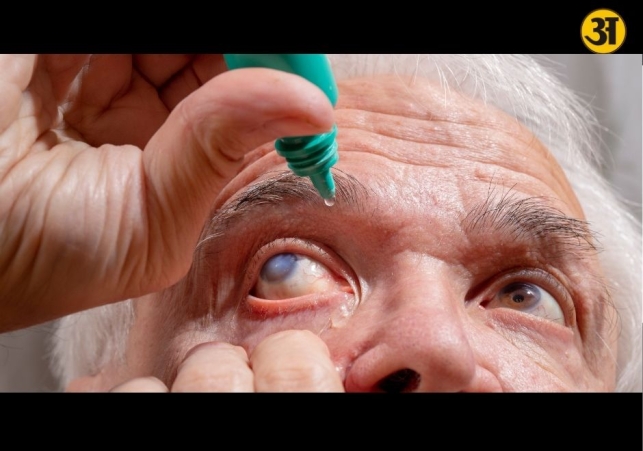
Experts say healthy lifestyle choices can support glaucoma treatment and help protect vision
Living with glaucoma: Daily habits that may help protect your eyesight
- By Gurmehar --
- Monday, 08 Jun, 2026
Glaucoma is one of the most common eye diseases in the world and is often called the“silent thief of vision.” The condition can slowly damage the optic nerve, which carries visual information from the eyes to the brain. The biggest challenge with glaucoma is that it usually develops without noticeable symptoms in its early stages. By the time a person realizes there is a problem, some vision loss may already be permanent.
In India, glaucoma is among the leading causes of blindness. Doctors say that regular eye check-ups, early diagnosis, and proper treatment are the most important ways to manage the disease. However, experts also believe that certain daily habits and lifestyle changes can help people with glaucoma protect their eyesight and improve overall eye health.
According to eye health specialists, medicines prescribed by doctors should always remain the main part of glaucoma treatment. Lifestyle changes cannot cure glaucoma, but they may support treatment by helping maintain healthy eye pressure and improving blood circulation to the optic nerve.
Why lifestyle habits matter
Glaucoma causes damage to the optic nerve, often because of increased pressure inside the eye, known as intraocular pressure (IOP). Although not every person with glaucoma has high eye pressure, it remains one of the most important risk factors linked to the disease.
Doctors explain that everyday habits can influence blood flow, inflammation, overall health, and even eye pressure. Because of this, adopting healthy habits may help slow the progression of glaucoma and support long-term eye health.
Experts stress that lifestyle changes should be seen as an additional support system rather than a replacement for medical treatment. Patients should continue taking prescribed medicines and attend regular follow-up appointments with their eye specialists.
One of the most important lifestyle factors is diet. Eating nutritious foods can support the health of the eyes and the optic nerve. Doctors recommend including foods rich in antioxidants, vitamins, and healthy fats.
Leafy green vegetables such as spinach, kale, and fenugreek are considered beneficial because they contain nutrients that support eye health. Fruits rich in antioxidants may also help protect cells from damage caused by oxidative stress. Fatty fish such as salmon, sardines, and mackerel contain omega-3 fatty acids, which are known to support blood circulation and overall eye function.
Experts also suggest reducing the consumption of processed foods, sugary snacks, and excessive refined carbohydrates. While these foods do not directly cause glaucoma, maintaining good overall health can support better management of the condition.
Hydration is another important factor. Drinking enough water throughout the day helps maintain normal body functions. However, eye specialists advise glaucoma patients not to drink very large amounts of water in a short period. Consuming too much water at once may temporarily increase eye pressure.
Most adults can aim for around 1.5 to 2 litres of water daily, depending on their age, health condition, and weather conditions. It is generally better to drink water gradually throughout the day instead of consuming large quantities at one time.
ALSO READ: Singapore blocks online content targeting Indians to protect racial harmony
ALSO READ: Influencer’s missing dog was stolen, sold and killed despite ₹1.4 lakh reward offer
Simple changes that can make a difference
Regular physical activity is another habit that may benefit people living with glaucoma. Doctors say moderate aerobic exercises such as walking, cycling, swimming, and light jogging can improve blood circulation and may help lower eye pressure in some people.
Experts recommend at least 30 minutes of moderate exercise on most days of the week. Apart from helping eye health, regular exercise can also improve heart health, reduce stress, and support overall wellbeing.
However, not all forms of exercise are equally suitable for glaucoma patients. Activities that involve heavy weightlifting or prolonged upside-down positions may temporarily increase eye pressure. Certain yoga poses where the head remains below the heart for extended periods may also have this effect. Patients should discuss exercise plans with their doctors if they have concerns.
Sleep habits can also play a role in glaucoma management. Many people are unaware that sleeping position may affect eye pressure. Doctors explain that sleeping completely flat can sometimes increase fluid accumulation around the eyes.
To reduce this possibility, experts suggest sleeping with the head slightly elevated, around 20 to 30 degrees. Using an extra pillow or an adjustable bed may help improve fluid drainage and reduce pressure during sleep.
Getting enough sleep is equally important. Poor sleep can negatively affect overall health and may increase stress levels, which can indirectly impact eye health.
Smoking is another habit that doctors strongly advise glaucoma patients to avoid. Tobacco use can damage blood vessels and reduce healthy blood flow throughout the body, including to the optic nerve. Reduced blood supply may worsen optic nerve damage over time.
Quitting smoking provides benefits not only for eye health but also for heart health, lung function, and overall quality of life. Doctors consider smoking cessation one of the most valuable lifestyle changes for people living with glaucoma.
Caffeine consumption is another area where moderation may help. Experts say excessive caffeine intake may cause temporary fluctuations in eye pressure in some individuals. This does not mean people must completely avoid tea or coffee, but limiting caffeine consumption may be beneficial.
Many doctors recommend keeping caffeine intake moderate, often around one cup of coffee per day, depending on individual health conditions and medical advice.
Stress management is also becoming an important topic in eye health. Chronic stress can affect the body's nervous system and may influence blood pressure and circulation. While stress alone does not cause glaucoma, reducing stress can contribute to better overall health.
Simple relaxation techniques such as meditation, mindfulness exercises, deep breathing, and spending time in nature may help lower stress levels. Even a few minutes of relaxation each day can support emotional wellbeing.
Despite the benefits of healthy habits, experts remind patients that lifestyle changes cannot replace professional medical care. Regular eye examinations remain essential because glaucoma often progresses silently without noticeable symptoms.
Routine check-ups allow doctors to monitor eye pressure, assess optic nerve health, and adjust treatment when necessary. Early detection and consistent treatment remain the best ways to prevent vision loss.
Glaucoma may be a lifelong condition, but with proper medical care and healthy daily habits, many people can successfully manage the disease and protect their eyesight for years to come. By eating well, staying active, sleeping properly, avoiding smoking, managing stress, and attending regular eye check-ups, patients can take important steps toward preserving their vision and maintaining a better quality of life.
Related News