ED officer to face trial in HP scholarship scam
CBI court clears path to prosecute ED official in HP scholarship scam
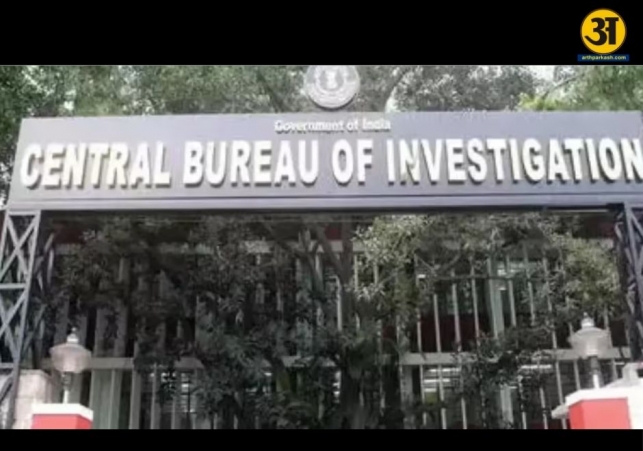
A Central Bureau of Investigation (CBI) court has received formal approval to begin the prosecution of Enforcement Directorate (ED) officer Vishal Deep in the ongoing Himachal Pradesh scholarship scam. The permission, also called a "sanction to prosecute", was issued by two top officials — Rajan Chaudhery, Principal Commissioner of Customs (General), Mumbai Zone 1, and Amarendra Kumar, General Manager (HRD) of Punjab National Bank at the head office in New Delhi.
Both these officials have now been named as prosecution witnesses in the case. The court also ordered that their sanction letters be officially included in the case records and their names be added to the list of witnesses. Along with Vishal Deep, another accused, Vikas Deep, also received a similar sanction for prosecution. The case has now been postponed until September 5, when the next hearing will take place.
The Himachal Pradesh scholarship scam is a major corruption case involving bribes and misuse of power by senior officers in a government scheme meant to provide financial aid to students. The case was first brought to light by Rajnish Bansal, chairman of the Himalayan Group of Professional Institutions in Kala Amb, located in Sirmaur district of Himachal Pradesh. He had filed a complaint against ED officials who, according to him, tried to extort money in exchange for not taking action against his institution.
The FIR (First Information Report) was registered in December 2024. It named several individuals, including Vishal Deep, who was working as Assistant Director in the ED’s Shimla office, and another ED officer named Niraj. Both of them were reportedly investigating a case against Bansal’s institution when the alleged bribery took place. The two officers — Niraj and Vikas — are related to Vishal Deep and have had their bail pleas repeatedly denied by both lower and higher courts.
Allegations of bribery and arrest of officials
According to Bansal’s complaint, he was called to the ED office in Shimla on two occasions — December 10 and December 19, 2024 — for questioning. He said that during this time, Niraj demanded ₹20 lakh from him, threatening that he would be arrested if he refused to pay. Later, Bansal was taken to the office of Vishal Deep, who was in charge of the investigation. During that meeting, Vishal allegedly asked for ₹1.10 crore in bribes to stop action against Bansal and his institution.
After some negotiation, the bribe amount was reportedly settled at ₹60 lakh. Bansal said that Vishal Deep told him he would collect the bribe from him in Chandigarh. This allegation formed the basis of the CBI’s investigation. A trap was planned and executed by the CBI to catch the accused while they were accepting the bribe. This led to the arrest of the accused officials, including those from the ED.
Following the investigation, the CBI filed a chargesheet on February 21 against Vishal Deep, Niraj, and Balbir Singh — a Deputy Superintendent of Police (DSP) working with the CBI itself. The chargesheet outlined the full details of the case, including statements from the complainant and evidence collected during the probe.
Vishal Deep was arrested on January 8 from Andheri West in Mumbai. The CBI claimed that he was involved in bribery cases linked to not just one, but two FIRs — one registered by the CBI and the other by the Panchkula Police. These serious allegations led to his arrest and the continuation of the case in the CBI court.
ALSO READ: Modern parenting trend 'FAFO' sparks debate among experts and parents alike
ALSO READ: The danger of World War 3 is growing — leaders must choose peace
This case highlights a worrying issue — that officers tasked with investigating financial crimes can sometimes abuse their power to demand bribes. It also shows how difficult it can be for institutions to defend themselves when caught in such situations.
The court’s recent decision to allow prosecution means that the legal process against the accused can now formally proceed. With key witnesses now included and a clear date set for the next hearing, the case is expected to move forward in the coming weeks.
As of now, all three officers named in the chargesheet — Vishal Deep, Niraj, and Balbir Singh — are facing serious charges, and their roles in the alleged bribery will be closely examined during the trial. The outcome of this case will be important not just for justice in this particular incident, but also for sending a message about accountability in India’s enforcement agencies.
Related News