Easy cooking tips that can make food taste better
Michelin-star chef shares simple kitchen habits to improve home cooking
Good cooking does not always need expensive ingredients, fancy tools or difficult recipes. According to professional chefs, small habits and simple techniques can make a big difference in how food tastes.
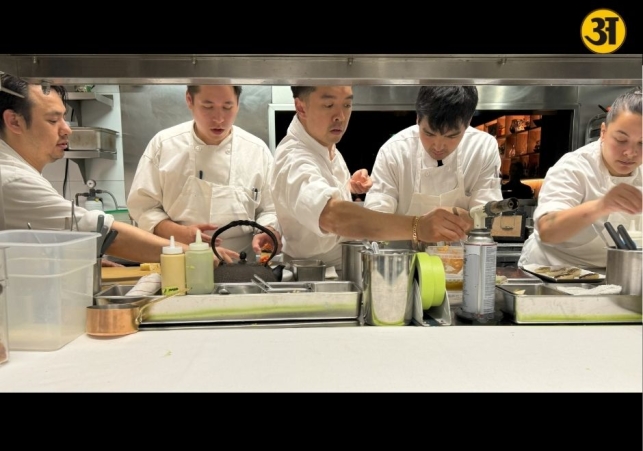
Chef Gursheesh Singh Dhupar, who works at Per Se, a three-Michelin-star restaurant in New York led by famous chef Thomas Keller, has shared easy kitchen habits that can improve everyday cooking at home.
The chef says better food often comes from paying attention to simple details such as tasting food while cooking, controlling heat properly and seasoning in the right way.
These methods are used regularly in professional kitchens and can help home cooks make tastier meals without spending more money or learning difficult cooking skills.
Taste food while cooking
One of the biggest differences between professional chefs and home cooks is tasting food during cooking.
Many people prepare an entire dish and only taste it at the end. However, chefs say this is a common mistake.
Professional cooks taste food many times while making it.
This is because flavours change as ingredients cook together.
For example, vegetables release water, spices become stronger and sauces become thicker as cooking continues.
A dish that tastes perfect at the beginning may later need more salt, spices or balance.
By tasting food regularly, cooks can fix small problems before the meal is finished.
For example, if a soup tastes too bland halfway through cooking, seasoning can be adjusted early.
This habit may help avoid disappointing results after spending time cooking.
Chefs say tasting food often helps people better understand flavours and improve confidence in the kitchen.
ALSO READ: Can a spoon of peanut butter before bed help you sleep better? Experts explain
ALSO READ: China coal mine explosion kills at least 82, rescue teams search for trapped workers
Heat matters more than many people think
According to Chef Dhupar, heat changes much more than cooking time.
Temperature also affects flavour, colour and texture.
Using the right amount of heat may improve food significantly.
High heat can create browning and caramelisation.
Caramelisation happens when food becomes slightly brown and develops richer flavours.
For example, onions become sweeter and deeper in flavour when cooked slowly until golden brown.
Mushrooms and meat also develop stronger taste and texture when browned properly.
However, not all foods should be cooked on high heat.
Some ingredients burn easily and may taste bitter if overheated.
Foods such as eggs, garlic and milk-based sauces are more sensitive to strong heat.
Cooking them too quickly may ruin taste and texture.
The chef also warns against overcrowding pans.
When too much food is placed in one pan at the same time, food may steam instead of brown properly.
Spacing ingredients apart may help improve texture and flavour.
Learning when to use low, medium or high heat can make cooking easier and improve everyday meals.
Season food in stages
Many home cooks add salt and spices only at the end of cooking.
Professional chefs usually do things differently.
According to Chef Dhupar, seasoning food step by step gives better flavour.
For example, onions may be lightly seasoned while cooking.
Later, sauces or vegetables may be seasoned separately.
Finally, the dish may receive small adjustments before serving.
This layered approach helps flavours mix better and taste more balanced.
Adding everything at the end sometimes leaves food tasting uneven.
Some bites may feel bland while others taste too salty.
Seasoning gradually may help ingredients absorb flavour more naturally.
Chefs say small adjustments during cooking often create better results than making one large correction at the end.
Acidity can improve dull food
Sometimes food still tastes flat even after adding salt or spices.
In such cases, the problem may not be seasoning.
According to chefs, the missing ingredient may actually be acidity.
Acidity helps brighten flavours and makes food feel fresher.
Simple ingredients like lemon juice, vinegar or yoghurt can instantly improve taste.
For example, a squeeze of lemon over vegetables, soups or grilled food may make flavours feel more lively.
A spoon of yoghurt may add freshness to spicy or rich dishes.
A small amount of vinegar can also improve sauces or heavy meals.
Chefs say many home cooks forget acidity even though it can completely change a dish.
The key is balance.
Too much acidity may overpower food, while a little may improve flavour greatly.
Learning how to balance salt, spices and acidity can make meals feel more complete.
Focus and timing improve cooking
Chef Dhupar says another important kitchen habit is paying attention.
Professional kitchens are busy and fast, but chefs stay focused on timing and details.
Good cooking often comes from observation rather than expensive equipment.
Chefs constantly watch colour changes, smell food and check texture.
For example, onions turning golden, spices releasing aroma or sauces thickening are all important signs.
Timing also matters.
Leaving food on heat too long may burn it, while removing it too early may leave it undercooked.
The chef explains that being quick does not mean rushing carelessly.
Instead, it means staying organised and paying attention.
Home cooks sometimes multitask too much, checking phones or doing other things while cooking.
This may lead to burnt food, missed flavours or poor timing.
Staying present while cooking often improves results naturally.
Small habits can make a big difference
The chef says none of these cooking habits seems dramatic alone, but together they can completely change food quality.
Tasting regularly, controlling heat, seasoning slowly, adding acidity and staying focused are simple techniques anyone can learn.
The good news is that better cooking does not require expensive tools or restaurant training.
Most improvements come from practice and attention.
Even basic home meals can become more delicious with a few small changes.
Experts say cooking becomes easier and more enjoyable when people understand simple kitchen habits instead of depending only on recipes.
With patience and practice, anyone can slowly improve everyday cooking and make meals taste better at home.
Related News