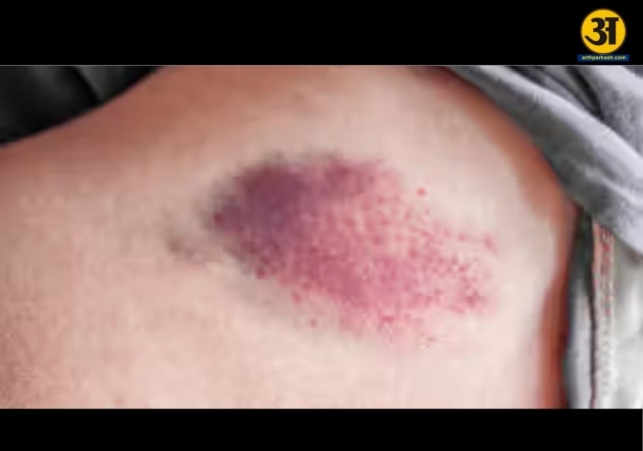
Easy bruising may signal liver issues
Do you bruise easily? Here’s what it could reveal about your liver health
Bruises are common and usually happen when we bump into something or get minor injuries. Most of the time, they are harmless and fade on their own. However, if you notice bruises appearing frequently or without any clear reason, it could be a warning sign of an underlying health problem. One important organ that can cause this is the liver.
The liver plays a key role in your overall health. One of its most important jobs is to produce proteins that help blood clot when you get injured. These clotting proteins prevent excessive bleeding and allow your body to heal. If your liver is not working properly, it may not produce enough of these proteins. This can make you bruise easily, even from small bumps that normally would not cause a mark.
Several liver conditions can lead to this problem. Hepatitis, fatty liver disease, and cirrhosis can all reduce the liver’s ability to produce clotting factors. As a result, small injuries or minor impacts can leave large or noticeable bruises on your skin.
It is important to remember that easy bruising alone does not always mean your liver is damaged. Bruising can also happen because of certain medications, vitamin deficiencies, or blood disorders. But if bruising occurs along with other warning signs, it may indicate liver problems that need attention.
Other signs of liver problems
Bruising is just one sign of liver issues. Other symptoms often appear alongside it and can provide clues about liver health. For example, jaundice, which causes yellowing of the skin and eyes, is a common indicator of liver dysfunction. Fatigue or feeling unusually tired can also signal that your liver is under stress.
Swelling in the legs, feet, or abdomen may occur due to fluid retention when the liver is not functioning properly. Dark-colored urine, frequent nosebleeds, and digestive problems may also accompany liver issues. If you notice any combination of these signs along with unexplained bruising, it is important to consult a doctor for proper evaluation.
Early detection is key because liver problems can worsen over time and lead to serious complications. Doctors may recommend blood tests, imaging scans, or other diagnostic procedures to check liver function. These tests can help identify issues before they become severe, allowing timely treatment and lifestyle adjustments.
Steps to maintain liver health
Taking care of your liver is essential for overall well-being and can help prevent easy bruising. Lifestyle choices play a major role in keeping the liver healthy. Maintaining a healthy weight through regular exercise and a balanced diet is one of the most important steps. A diet rich in fruits, vegetables, whole grains, and lean proteins supports liver function.
Limiting alcohol consumption is another crucial factor. Excessive drinking can damage liver cells and reduce its ability to produce clotting proteins. Staying hydrated and avoiding sugary or heavily processed foods can also help maintain liver health.
Regular medical check-ups can detect liver problems early, even before symptoms appear. Preventive screenings, blood tests, and liver function tests are recommended, especially for people with a family history of liver disease, those who consume alcohol frequently, or those who have other health conditions like diabetes or obesity.
Even simple daily habits, like managing stress, getting enough sleep, and avoiding unnecessary medications or supplements, can support liver function. Protecting your liver not only reduces the risk of bruising but also contributes to better digestion, energy levels, and overall immunity.
ALSO READ: Why CP Radhakrishnan deserves to be India’s next vice president
When to see a doctor
While not all bruising indicates liver disease, unexplained or frequent bruising should never be ignored. If you notice that bruises appear easily, are unusually large, or are accompanied by other symptoms like fatigue, jaundice, swelling, or dark urine, seek medical advice promptly. Early intervention can prevent complications and improve outcomes.
Doctors may recommend lifestyle changes, medication, or further tests based on the cause of bruising. By paying attention to your body and maintaining healthy habits, you can protect your liver and reduce the chances of serious health problems in the future.
Taking care of your liver is not just about preventing bruises; it is about supporting your overall health and quality of life. Simple habits like eating well, exercising, avoiding alcohol, and regular check-ups can make a big difference.
Related News