Drone attack near UAE nuclear site sparks concern
Drone strike near UAE nuclear plant raises fears as Middle East tensions grow
- By Gurmehar --
- Monday, 18 May, 2026
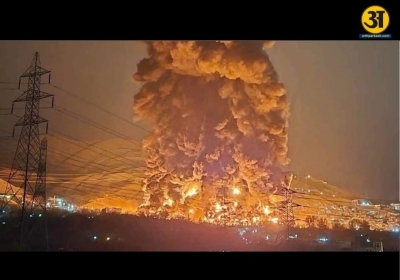
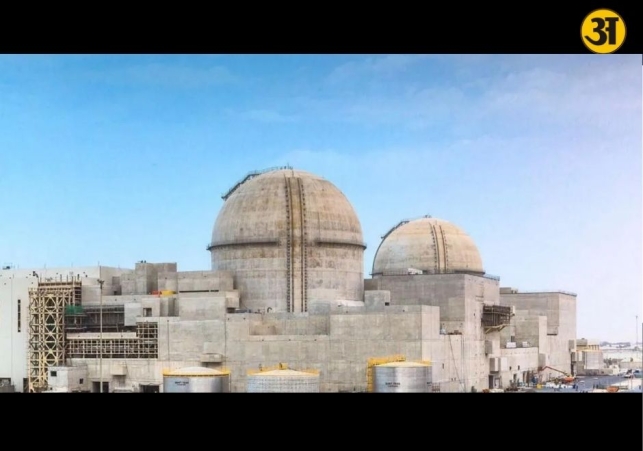
A drone strike near the United Arab Emirates’ Barakah nuclear power plant has raised serious concerns across the Middle East. Reports said three drones were fired towards the UAE, and one reportedly entered the inner area of the Barakah nuclear facility in Abu Dhabi. The incident has increased fears because attacks near nuclear sites can become very dangerous and may affect millions of people if safety systems fail.
According to reports, the drone hit an electrical generator area inside the nuclear plant complex. Emergency backup systems reportedly started working immediately to help maintain cooling and control inside the facility. No major damage or radiation leak has been reported, but experts say even a small attack near a nuclear site is worrying because such places require very high safety levels.
The Barakah nuclear plant is one of the UAE’s most important energy facilities. It provides electricity to the country and is considered a major symbol of modern infrastructure in the Gulf region. Because of this, any threat near the plant immediately becomes an international concern.
Experts believe the drone may have approached from the western side, which has led to speculation that Yemen’s Houthi movement or another Iran-linked armed group may have been involved. However, officials have not publicly confirmed who carried out the attack. The exact details are still unclear.
The incident happened at a time when tensions in the Middle East are already very high due to conflicts involving Iran, Israel, Gulf countries and the United States. Political experts say the attack shows how regional tensions are spreading beyond battle zones and now threaten important infrastructure such as energy sites, oil routes and nuclear facilities.
Fear grows over nuclear safety
Experts say attacks near nuclear power plants are especially alarming because the risks are much greater than ordinary military strikes. Nuclear plants require uninterrupted electricity, cooling systems and strict monitoring. Even a short disruption can create panic and possible safety concerns.
Although emergency systems reportedly worked at Barakah, specialists warn that future attacks could become more dangerous if security systems fail or if a strike causes larger damage. Nuclear facilities are designed with several backup protections, but repeated attacks may create pressure on safety operations.
The UAE has invested heavily in advanced defence systems to stop drone and missile threats. Still, recent developments suggest even technologically strong countries remain vulnerable to modern warfare methods such as drones, which are smaller, cheaper and harder to detect quickly.
Reports suggest the UAE has faced multiple attacks in recent years by armed groups linked to regional conflicts. This has increased pressure on authorities to strengthen air defence and intelligence systems even further.
The Barakah incident also raises environmental concerns. If a serious nuclear accident ever takes place, nearby populations, water systems and surrounding ecosystems may suffer long-term consequences. While officials say there is no such danger at present, security experts believe preventive action is critical.
At the same time, regional political tensions continue to rise. Countries across the Gulf are watching closely because attacks on major infrastructure often influence diplomatic ties, defence planning and regional alliances.
ALSO READ: Xi warns US over Taiwan issue during Trump meeting in Beijing
Rising tensions affect economy and diplomacy
The reported drone strike also comes at a difficult economic moment for the world. Tensions around the Strait of Hormuz, one of the world’s most important oil shipping routes, are already affecting energy markets.
The Strait of Hormuz is a narrow water route through which a large percentage of global oil and gas supplies pass every day. Any conflict in this region often leads to concerns over supply disruptions and rising fuel prices.
Experts say ongoing tensions involving Iran and Western powers have already pushed oil prices higher. Shipping routes in the Gulf are facing pressure, while uncertainty has increased across global financial markets.
Higher oil prices can eventually affect ordinary people worldwide because transport, food delivery, electricity and manufacturing costs often increase. Economists warn that if tensions continue, inflation could rise in many countries.
At the same time, political relationships in the region are also changing. Reports suggest Gulf nations are quietly increasing defence cooperation, especially in response to regional security threats. The UAE, Saudi Arabia, Bahrain and Israel are believed to be strengthening discussions on regional defence and intelligence sharing.
Meanwhile, countries such as Pakistan, China and Iran are also being closely watched for their growing regional roles. Some reports claim Iran has received support through regional networks involving military supplies and transport arrangements, though many details remain disputed.
Global powers like the United States and China are also deeply involved in the situation because stability in the Middle East affects trade, oil supplies and international politics.
India is carefully monitoring developments too because the Gulf region is important for energy imports, jobs for Indian workers and strategic partnerships. India has strong relations with the UAE and depends on stable oil supplies from the region.
Experts say the larger concern now is not just one drone strike but the possibility of repeated attacks on sensitive infrastructure. A single incident near a nuclear plant can quickly increase military tensions and trigger wider regional uncertainty.
For now, officials continue monitoring the Barakah facility while investigations into the reported drone strike continue. Even though no major damage has been reported, the incident has once again highlighted how fragile peace in the Middle East remains and how quickly regional conflicts can create global worries.
Related News