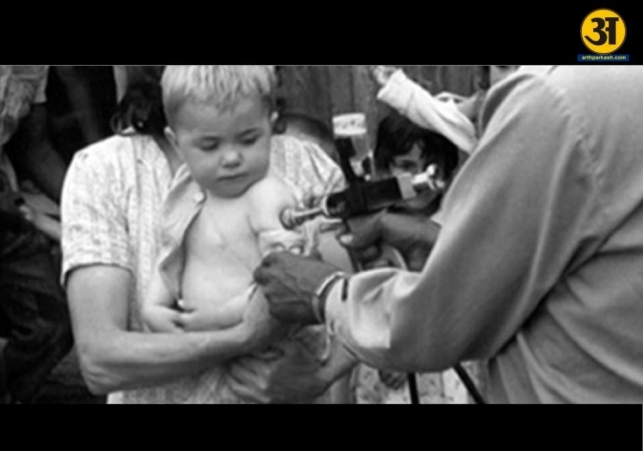
Diseases Gen Z rarely sees today because of vaccination
From smallpox to polio, how vaccines protected Gen Z from deadly diseases
There was a time when certain diseases shaped entire generations. Families lived in fear of infections that could spread quickly, cause lifelong disability, or even lead to death. Illnesses like smallpox and polio were once common and deeply feared across the world. Today, however, many young people, especially those from Gen Z, have never seen these diseases up close.
This change did not happen by chance. It is the result of years of consistent vaccination efforts across countries. Vaccines have played a major role in reducing, controlling, and in some cases completely eliminating diseases that once affected millions. World Immunisation Week, observed every year from April 24 to April 30, highlights this progress and reminds people why vaccines still matter.
Over the past century, vaccines have transformed public health in ways few other medical developments have. They have helped prevent outbreaks, protect communities, and save countless lives. For Gen Z, the absence of many serious diseases may feel normal, but it is actually the outcome of decades of scientific work and global cooperation.
Diseases that vaccines have nearly eliminated
One of the biggest success stories in medical history is smallpox. This disease once caused widespread deaths and suffering across the world. It was highly contagious and often fatal. However, through a global vaccination campaign, smallpox became the first human disease to be completely eradicated. In 1980, it was officially declared eliminated. Today, it exists only in laboratories.
Polio is another disease that once caused fear, especially among children. It could lead to paralysis and long-term disability. With the introduction of vaccines in the 1950s, cases began to drop significantly. Today, polio is close to being eradicated, with only a few regions in the world still reporting cases.
Measles, mumps, and rubella are three other diseases that were once very common. Measles could cause severe illness and even death, especially in children. Mumps often led to swelling and fever, and in some cases, serious complications. Rubella, also known as German measles, was particularly dangerous for pregnant women as it could lead to birth defects.
Vaccines introduced in the 1960s and 1970s helped reduce these diseases significantly. Today, they are often prevented through a combined vaccine known as the MMR vaccine. Because of widespread immunisation, outbreaks are now far less common than they used to be.
Other diseases have also been brought under control through vaccination. Hepatitis B, which can cause serious liver disease and even cancer, is now much less common due to early vaccination. Similarly, infections caused by Haemophilus influenzae type b (Hib), which once led to severe conditions like meningitis in children, have reduced sharply.
Tetanus is another example. It is caused by bacteria that enter the body through cuts or wounds and can lead to painful muscle stiffness. While the bacteria still exist in the environment, vaccination has made the disease rare in many parts of the world.
Why vaccination still matters today
Even though many of these diseases are no longer common, they have not completely disappeared. They are controlled, not gone. This means that if vaccination rates drop, these diseases can return. That is why continuing immunisation efforts is so important.
Vaccines work not just by protecting individuals, but also by creating what is known as community protection. When a large number of people are vaccinated, it becomes harder for a disease to spread. This helps protect those who cannot be vaccinated, such as newborns or people with certain medical conditions.
For Gen Z, the benefits of vaccines are often invisible. They have grown up in a time when many dangerous diseases are rarely seen. This can sometimes lead to a sense of complacency. People may begin to question the need for vaccines because they have not witnessed the impact of these diseases firsthand.
However, history shows how serious these illnesses once were. Before vaccines, outbreaks could spread quickly and overwhelm healthcare systems. Many children did not survive infections that are now preventable. Vaccination has changed that reality.
World Immunisation Week serves as a reminder of this progress. It highlights the importance of continuing vaccination programmes and ensuring that everyone has access to them. It also encourages people to stay informed and rely on scientific evidence when making decisions about their health.
The success of vaccines is often quiet. There are no headlines when a disease does not spread or when a child does not fall ill. But that silence is powerful. It represents protection, prevention, and progress.
ALSO READ: UAE announces exit from OPEC and OPEC+ amid global energy crisis
For today’s generation, living without the fear of diseases like smallpox or polio is a major achievement. It shows what science and public health efforts can accomplish when they work together. But it also comes with a responsibility to maintain that progress.
Vaccines have not just saved lives in the past. They continue to protect lives today and will remain important in the future. Understanding their role helps ensure that the gains made over decades are not lost.
Related News