Credit card users get 3-day extra time to pay bills
RBI introduces 3-day grace period for credit card payments, offers relief to users
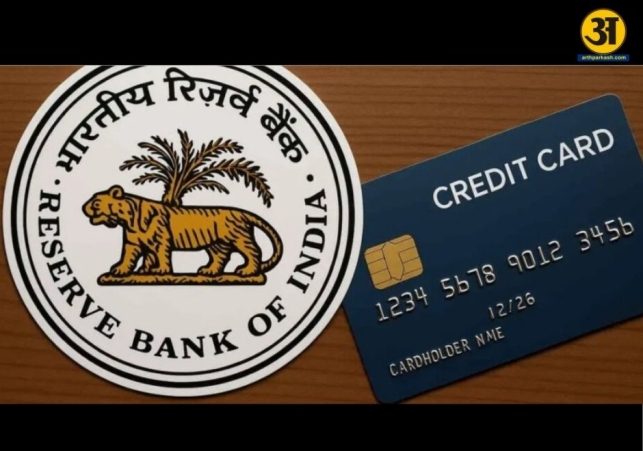
The Reserve Bank of India (RBI) has announced a new rule that brings relief to credit card users across the country. Under the updated guidelines, customers will now get a three-day grace period after the due date to pay their credit card bills without facing any late fees. This change is expected to reduce stress for users who sometimes miss payment deadlines due to various reasons.
Credit cards have become a common part of daily life, especially in urban areas. People use them for shopping, travel, online payments, and emergency expenses. However, many users struggle to pay their bills on time, which often leads to extra charges and penalties. The RBI’s new rule aims to make the system more flexible and user-friendly.
According to the new guidelines, late fees will not be charged immediately after the due date. Instead, users will have an additional three days to complete their payment. For example, if your credit card bill is due on the 5th of a month, you can pay it by the 8th without any penalty. This small window can make a big difference for many people who may face short-term cash flow issues.
Changes in late fee rules and credit impact
Another important change introduced by the RBI is related to how late fees are calculated. Earlier, banks often charged late fees on the total bill amount. Under the new rule, late fees will only be applied to the outstanding balance. This means that if a user has already paid part of the bill, the penalty will be calculated only on the remaining amount, not the full bill.
This change is expected to reduce the financial burden on customers. It also encourages partial payments, which can help users manage their finances better instead of avoiding payments completely.
However, it is important to understand that the grace period does not mean payments can be delayed without consequences beyond those three days. If the bill is not paid even after the extra three days, it will be treated as an overdue payment. This can lead to late fees, interest charges, and a negative impact on the user’s credit score.
A credit score is an important financial indicator that affects a person’s ability to get loans, credit cards, or other financial services in the future. Missing payments regularly can lower the score and make borrowing more difficult or expensive. So, even with the grace period, timely payment remains very important.
The RBI’s move is seen as a balanced approach. It gives users some flexibility while still encouraging responsible financial behaviour. It also helps reduce the chances of customers falling into a cycle of penalties and rising debt.
Relief measures and implementation timeline
In addition to the grace period, the RBI has also introduced a rule to help people affected by natural disasters. Banks will now be allowed to provide relief to such customers on their own, without waiting for formal applications. This means that in situations like floods, earthquakes, or other emergencies, banks can quickly offer support such as payment extensions or temporary relief measures.
This step is aimed at making the banking system more responsive and supportive during difficult times. Earlier, customers had to apply for relief and wait for approval, which could take time. The new rule allows banks to act faster and provide help when it is needed most.
ALSO READ: US may present three new military plans to Trump as Iran war tensions continue
ALSO READ: UAE announces exit from OPEC and OPEC+ amid global energy crisis
The implementation of these new rules will happen in phases. The credit card-related changes, including the three-day grace period and revised late fee structure, will come into effect from April 1, 2027. The disaster-related relief rules will be implemented earlier, starting from July 1, 2026.
Apart from these updates, the RBI has also been working on improving other financial schemes. Recently, it issued draft guidelines to revise and strengthen the Kisan Credit Card (KCC) scheme. The aim is to expand its reach, simplify processes, and meet the changing needs of the agriculture sector.
The central bank has invited feedback from banks, stakeholders, and the general public on these draft guidelines. This shows that the RBI is taking a consultative approach while making policy changes, ensuring that different viewpoints are considered.
Overall, the new credit card rules are a positive step for users. They provide a small but meaningful cushion for missed deadlines and reduce the burden of penalties. At the same time, they continue to emphasise the importance of financial discipline.
For credit card users, the key takeaway is simple. While the three-day grace period offers flexibility, it should not be seen as a reason to delay payments regularly. Paying bills on time remains the best way to avoid charges and maintain a good credit history.
With these changes, the RBI aims to create a more customer-friendly banking environment while maintaining financial stability and responsibility.
Related News