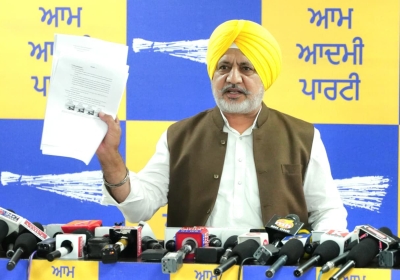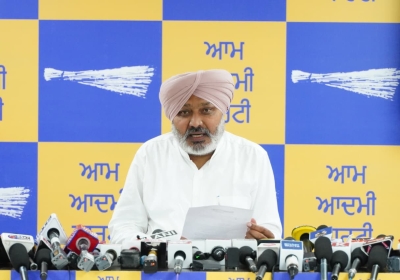
Communication drives success in politics and business
How effective communication drives success in Indian politics and business
- By Gurmehar --
- Sunday, 26 Oct, 2025
Communication is the most powerful skill in any field—politics, business, or society. It decides how people think, trust, and act. A clear message can unite people, shape opinions, and even build brands or movements. In today’s fast-paced digital world, communication is not just about words—it is about timing, emotion, and purpose. Both political leaders and business heads now understand that communication is not a small part of leadership; it is leadership itself. When people understand your message, they begin to believe in your vision. And belief creates trust—the foundation of action.
Communication as a reflection of leadership
Good communication shows who a leader truly is. It is no longer about power or authority but about authenticity and honesty. Whether a person is a Prime Minister or a CEO, they are constantly communicating—through speeches, interviews, and even their silence. In politics, communication connects leaders with citizens. It turns ideas into emotions and emotions into public action. A simple message can inspire millions when it feels personal and honest.
In business, communication turns a product into a brand. When a company shares its values clearly, customers start to feel connected to it. This emotional bond is what builds brand loyalty. Today, communication is not limited to press releases or advertisements. It includes stories that make people feel seen and valued. Leaders who speak with empathy and consistency create stronger, long-lasting relationships with their audience.
Political and corporate communication: A shared strategy
Politics and business share many communication principles. Both use storytelling, emotion, and data to reach people effectively. Political campaigns now use digital platforms to connect with voters, while companies use similar tools to connect with consumers. The goal in both cases is the same—to influence perception and build trust.
For instance, the Bharatiya Janata Party (BJP) in India has used storytelling, digital innovation, and direct outreach to create a unified image. It shows that communication works best when it’s clear, consistent, and credible. In contrast, poor communication can break public trust. Similarly, companies like Tata or Infosys have shown that corporate communication is not just about marketing—it is about maintaining ethics, transparency, and social responsibility.
Prime Minister Narendra Modi’s Mann Ki Baat is another strong example of direct communication. By using radio, he created an emotional connection with millions, reaching even those without access to the internet. The show isn’t about policy—it’s about shared experiences and values. It proves that true communication is not about the platform, but the personal connection it creates.
In the business world, the same principle applies. Consumers today don’t just buy products—they buy values. A company’s reputation depends on how honestly it communicates. Employees, too, are the first audience of corporate communication. When they understand the “why” behind decisions, they become loyal advocates of the company’s mission.
ALSO READ: Breathless on Diwali: Banning crackers protects health, not religion
ALSO READ: Experts raise alarm over increasing breast cancer in young women
The digital age: Fast, emotional, and transparent
Social media has changed the communication game. Every person with a phone can share opinions instantly. This creates both opportunities and risks. For politicians, social media helps reach people directly but also increases the risk of misinformation. For businesses, it allows customers to interact directly with brands—but also means that any mistake can go viral within minutes.
This new reality requires leaders to be fast, sensitive, and ethical. Silence is no longer an option—people expect immediate responses and accountability. Being human, transparent, and respectful online builds lasting credibility. A single honest post can often repair more damage than hundreds of defensive statements.
A spokesperson acts as the voice of an organisation or a leader. They don’t just share information—they represent values. In both politics and corporate life, this role demands emotional intelligence, patience, and clarity. A good spokesperson must stay calm under pressure and communicate with empathy. Their job is not only to defend a position but also to build understanding.
In times of crisis, communication becomes the most powerful form of control. When handled with openness and empathy, even difficult situations can strengthen trust. The best communicators balance facts with feelings, ensuring that truth is not lost in emotion.
Building a communication-driven future
The future of leadership will belong to those who can connect with people through truth and empathy. Communication strategies must rest on five strong pillars—authenticity, consistency, empathy, agility, and accountability. These qualities build credibility, which is the real currency of leadership.
Whether in politics or business, leaders must remember that communication is about people, not platforms. It is not enough to inform; one must inspire. Technology may help spread messages, but only human connection gives them meaning. Listening is as important as speaking.
India’s progress, both politically and economically, depends on effective communication. Politicians must use transparency to build trust, while companies must use storytelling to inspire responsibility. Together, they can create a nation where information empowers citizens and stories bring people together.
In the end, communication is more than a skill—it is a bridge between ideas and action. Leaders who can turn their vision into belief and belief into action will shape the future. Words have the power to unite, heal, and transform. The goal is not just to speak, but to create meaning. As India grows, communication will define how its stories are told—and how its people connect.
Because true communication is not just about being heard—it is about being understood.
Related News