BRICS nations gather in Chandigarh to strengthen health cooperation
Chandigarh hosts BRICS health ministers’ meet with focus on TB, digital health and disease preparedness
India is hosting the 16th BRICS Health Ministers’ Meeting in Chandigarh from July 22 to July 24, bringing together health leaders from 11 countries to discuss some of the world’s most pressing healthcare challenges. The three-day event aims to strengthen cooperation among BRICS nations and develop practical solutions to improve public health, disease prevention, healthcare access and digital innovation.
The meeting comes at a time when countries across the world are dealing with evolving health threats, rising healthcare costs and the need for stronger medical systems. Through this gathering, BRICS nations hope to build stronger partnerships and create a coordinated approach to tackle common health concerns that affect billions of people.
The event is expected to play an important role in shaping future health policies and collaborative projects among member nations. Health experts, policymakers and government representatives will discuss ways to improve healthcare delivery, expand research efforts and make health services more accessible and affordable for their populations.
Shared health priorities
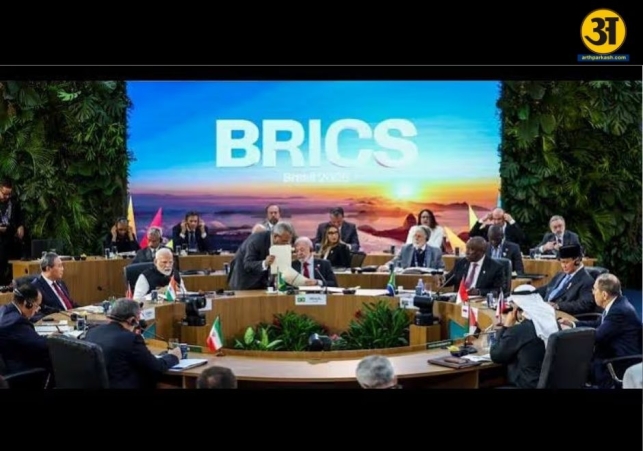
The BRICS grouping now consists of 11 member nations — Brazil, Russia, India, China, South Africa, Egypt, Ethiopia, Indonesia, Iran, the United Arab Emirates and Saudi Arabia. Together, these countries represent nearly half of the world's population and contribute around 40 per cent of the global economy.
Because of their large populations and diverse healthcare challenges, cooperation among BRICS countries has become increasingly important. The Chandigarh meeting will focus on nine major health priority areas that were identified during the BRICS Summit held in Rio de Janeiro, Brazil.
One of the key topics on the agenda is tuberculosis (TB), which continues to be a major public health concern in several BRICS nations. Health ministers will discuss collaborative research initiatives, improved diagnosis methods and strategies to reduce the burden of the disease. By sharing knowledge and scientific expertise, member countries hope to accelerate progress toward eliminating TB.
Another major focus area is preparedness for infectious diseases. The COVID-19 pandemic highlighted the importance of global cooperation in responding to health emergencies. BRICS nations are expected to discuss stronger surveillance systems, better coordination during outbreaks and measures to improve preparedness for future pandemics and large-scale disease outbreaks.
Digital health is also expected to receive significant attention during the meeting. Countries are increasingly adopting technology-driven healthcare solutions, including electronic health records, telemedicine platforms, artificial intelligence-based diagnostics and digital health monitoring systems. Officials will exchange experiences and explore ways to strengthen digital health infrastructure across member countries.
Mental health promotion is another important subject on the agenda. Health experts worldwide have raised concerns about rising mental health challenges, particularly after the pandemic. BRICS nations are expected to discuss policies and programmes that can improve mental well-being and provide better access to mental healthcare services.
The meeting will also focus on improving access to affordable medicines, strengthening healthcare systems, promoting universal health coverage and addressing both communicable and non-communicable diseases. These discussions aim to ensure that healthcare services reach larger sections of the population, especially vulnerable and underserved communities.
ALSO READ: Ram Temple Trust resumes donation counting with new supervision amid ongoing probe
ALSO READ: Trump threatens tariffs on Canada as wildfire smoke worsens air quality across the US
Building stronger cooperation
Union Health Secretary Punya Salila Srivastava said the meeting is intended to strengthen collaboration among BRICS nations and create strategic partnerships to address common health challenges. According to her, the discussions will focus on practical solutions that can improve the health and well-being of people across member countries.
Officials believe that health challenges today are increasingly interconnected. Diseases can spread rapidly across borders, making international cooperation more important than ever. By working together, BRICS countries can share resources, research findings, technology and best practices to achieve better health outcomes.
The meeting's theme, "Building for resilience, innovation, cooperation and sustainability," reflects the broader goal of creating stronger healthcare systems that can respond effectively to future challenges. The emphasis is not only on managing current health issues but also on preparing for future risks.
Innovation is expected to be a recurring theme throughout the discussions. From digital healthcare platforms to advanced medical research, countries are exploring new ways to improve healthcare delivery and patient outcomes. Sharing successful models and experiences can help member nations adopt effective solutions more quickly.
The gathering will also provide an opportunity for member countries to discuss healthcare financing, workforce development and medical research partnerships. Collaborative projects in these areas could help improve healthcare access and quality across the BRICS region.
India's role as host reflects its growing involvement in global health discussions. The country has actively promoted international cooperation in healthcare, particularly in areas such as digital health, pharmaceutical production and disease control programmes.
The official programme began on July 22, while the main Health Ministers’ Meeting is scheduled for July 23 under the chairmanship of Union Health and Family Welfare Minister Jagat Prakash Nadda. Senior health officials, ministers and delegates from all 11 member nations are participating in the discussions.
As the meeting progresses, experts expect several proposals and collaborative initiatives to emerge from the discussions. These efforts could contribute to stronger healthcare systems, improved disease preparedness and better health outcomes for billions of people living across BRICS countries.
The Chandigarh meeting represents more than a diplomatic gathering. It serves as a platform for countries to work together on challenges that directly affect the lives of millions. Through cooperation, innovation and shared commitment, BRICS nations aim to build a healthier and more resilient future for their people.
Related News