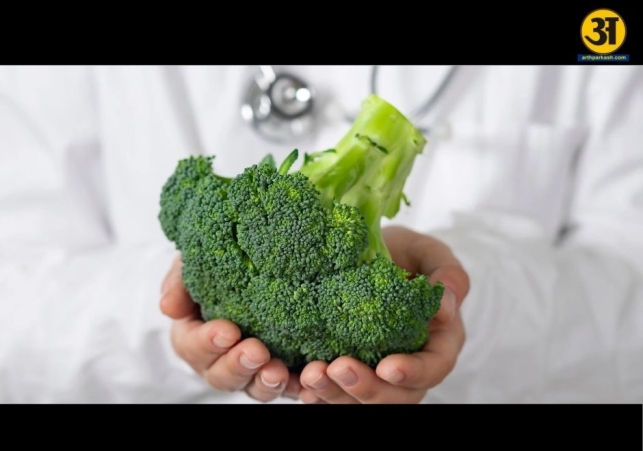
Broccoli may support health but is not a cancer cure
Can broccoli help lower cancer risk? Doctor explains what science really says
Broccoli has become one of the most talked-about vegetables in health discussions. On social media, it is often called a “superfood” and sometimes even described as an anti-cancer food. Broccoli sprouts, which are young broccoli plants, are also gaining attention for their supposed health benefits. Many people now add them to salads, smoothies, and meals hoping they will protect the body from serious diseases.
But health experts say the truth is more balanced. Broccoli is a nutritious vegetable and can be a valuable part of a healthy diet. However, no single food can prevent cancer on its own. Doctors say it is important to understand what broccoli really does, what science supports, and where claims may be exaggerated.
Dr Kunal Sood recently explained that broccoli and broccoli sprouts contain helpful natural compounds that support the body. But he also clarified that these foods should not be seen as a magic solution against cancer. Instead, they work best as one part of an overall healthy lifestyle.
What makes broccoli good for health
Broccoli belongs to the cruciferous vegetable family, which also includes cauliflower, cabbage, kale, and Brussels sprouts. These vegetables are known for being rich in vitamins, minerals, fibre, and plant nutrients.
Broccoli contains vitamin C, vitamin K, folate, potassium, and fibre. It is low in calories and can easily fit into most meal plans. It can be eaten steamed, lightly cooked, roasted, or raw.
One of the most discussed compounds in broccoli is called sulforaphane. This natural plant chemical forms when broccoli is chopped, chewed, or crushed. It is especially concentrated in broccoli sprouts.
According to Dr Sood, sulforaphane helps activate the body’s natural antioxidant system. Antioxidants help the body manage oxidative stress, which happens when unstable molecules called free radicals damage cells. Oxidative stress has been linked to ageing, inflammation, and several chronic illnesses.
Sulforaphane may also support the body’s detox systems. The liver and other organs naturally remove harmful substances from the body. Certain plant compounds may help these systems work efficiently.
This is one reason broccoli has gained a strong reputation. It does contain helpful nutrients that support normal body functions and long-term wellness.
Can broccoli really protect against cancer?
This is where experts urge caution. While broccoli contains healthy compounds, it should not be labelled as a direct anti-cancer cure.
Dr Sood explained that much of the strongest evidence comes from laboratory and animal studies. In these studies, sulforaphane has shown promising effects. Researchers found it may help reduce inflammation, support damaged cells, and influence pathways linked to abnormal cell growth.
However, results in humans are more complex. Human health depends on many factors, including age, genetics, exercise, smoking habits, alcohol use, body weight, stress, sleep, and overall diet. Because of this, no food alone can guarantee cancer prevention.
Some population studies suggest that people who eat more vegetables, including cruciferous vegetables like broccoli, may have a lower risk of certain diseases. But that does not prove broccoli alone is responsible. Usually, people who eat more vegetables also follow other healthy habits.
Doctors say cancer risk is influenced by the full lifestyle picture. A diet rich in vegetables, fruits, whole grains, and healthy proteins can help lower risk. Avoiding tobacco, limiting alcohol, staying active, maintaining a healthy weight, and regular medical check-ups are also important.
So, broccoli may support processes linked to health and prevention, but it should not be seen as a replacement for medical care or a cure.
ALSO READ: Shooting scare at Washington Navy Yard sparks security alert
ALSO READ: How Lok Sabha seats may change after the Delimitation Bill
How to get the most benefit from broccoli
If you enjoy broccoli, there are simple ways to include it in your diet.
Lightly steaming broccoli may help preserve nutrients better than overcooking it. Cooking for too long can reduce some helpful compounds. Many experts suggest steaming for a few minutes until it becomes tender but still slightly crisp.
Chopping broccoli and letting it sit for a short time before cooking may also help activate sulforaphane. Chewing raw broccoli or eating broccoli sprouts can do the same.
You can add broccoli to:
-
Salads
-
Stir-fries
-
Soups
-
Pasta dishes
-
Omelettes
-
Grain bowls
-
Sandwiches and wraps
Broccoli sprouts can be sprinkled over salads, sandwiches, or cooked meals after preparation.
Still, balance matters. Instead of focusing on one food, it is better to eat a wide variety of vegetables through the week.
Why no superfood works alone
Many people search for one “perfect” food that can prevent illness. But health does not work that way. The body needs a range of nutrients from different foods.
For example:
-
Fibre supports digestion and gut health
-
Protein helps repair tissues
-
Healthy fats support hormones and the brain
-
Vitamins and minerals help body systems function properly
-
Exercise improves heart and metabolic health
-
Sleep helps recovery and immune function
Broccoli can be part of this larger plan, but it cannot do everything on its own.
A smart way to look at broccoli
Broccoli is a healthy vegetable with real nutritional value. It contains sulforaphane and other helpful compounds that may support the body’s natural defence systems. Science shows promise, especially in early research, but it does not prove broccoli is a direct anti-cancer food.
The best approach is practical and realistic. Eat broccoli because it is nutritious, affordable, and versatile. Include it as part of a balanced diet filled with many whole foods. Pair that with exercise, sleep, stress control, and regular health screenings.
In simple terms, broccoli is a good choice for health. It is not magic, but it is worth keeping on your plate.
Related News