A closer look at Trump’s personality and leadership style
Why Donald Trump behaves the way he does: A simple psychoanalysis
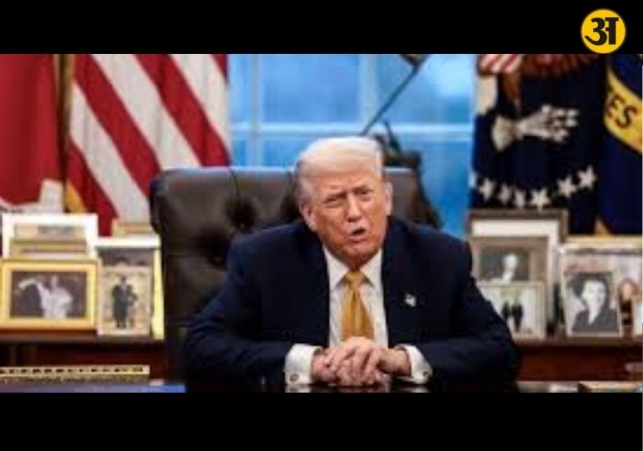
Understanding the personality of Donald Trump has been a topic of global discussion for many years. While experts often debate his behaviour, even ordinary observers have tried to make sense of his actions. His leadership style, communication methods, and decision-making approach have all raised questions about what drives him.
This article takes a simple look at his behaviour, based on observations rather than formal psychological analysis. It tries to explain why he acts the way he does, especially in positions of power.
A leader shaped by business and control
Before entering politics, Donald Trump spent decades building his business empire. As the head of his company, he had full control over decisions. He could hire people he liked and fire those he did not. This environment allowed him to operate without many restrictions.
This business background seems to have shaped his leadership style. When he became President, he appeared to treat the government like a company. However, unlike a business, a country has independent institutions such as courts, media, and elected officials who cannot simply be controlled or removed.
This difference may explain why Trump often clashed with institutions. Reports over the years have shown that he removed or replaced several key officials, including cabinet members and advisors. His famous phrase, “You’re fired,” which became popular from the TV show The Apprentice, reflects this mindset of authority and control.
Trump has also shown a preference for people who support him openly. He has often praised individuals when they agree with him and criticised them when they do not. This pattern suggests that loyalty plays a major role in how he chooses his team.
Another noticeable trait is his communication style. Trump often speaks in strong, direct language and prefers public displays of authority. He has used social media and public appearances to express his views, sometimes in ways that attract attention or controversy. For him, visibility and dominance seem to be important tools of leadership.
ALSO READ: Iran names key Gulf bridges as potential targets after strike on its major bridge
ALSO READ: Oil prices rise as Donald Trump signals US will not depend on Strait of Hormuz supply
Public image, power and personal style
Trump’s behaviour is also closely linked to how he presents himself to the world. He has always focused on image, branding, and perception. Whether in business, television, or politics, he has projected confidence and strength.
During his presidency, this approach extended to international relations. There have been instances where he openly criticised or pressured world leaders in public settings. These moments were often recorded and shared widely, suggesting that he values public recognition of his authority.
Critics argue that such actions can create discomfort in diplomatic relations. Supporters, on the other hand, see this as a sign of strong leadership. This divide in opinion shows how differently people interpret his style.
Another important aspect is his response to criticism. Trump has often reacted strongly to those who oppose him. Instead of ignoring criticism, he tends to respond directly, sometimes with sharp language. This behaviour may come from a need to maintain control over the narrative and protect his public image.
His leadership style has also led to frequent changes in his team. Over time, several officials have been removed or replaced. This creates an environment where people may feel uncertain about their positions, especially if they disagree with him.
At the same time, Trump’s approach has kept him in the spotlight. Even after leaving office and returning again, he remains one of the most talked-about political figures in the world. His ability to dominate public attention is a key part of his personality.
In simple terms, Trump’s behaviour can be understood as a mix of business-style leadership, a strong focus on personal image, and a desire for control. These traits have influenced how he governs, communicates, and interacts with others.
While opinions about him differ widely, one thing is clear: his personality has had a major impact on modern politics. Whether seen as strong leadership or controversial behaviour, his actions continue to shape discussions around power, authority, and public life.
Related News