Youth-led change transforms nepal parliament
Gen z wave reshapes nepal politics as youth-backed parliament takes charge
- By Gurmehar --
- Friday, 03 Apr, 2026
Nepal is witnessing a major political change as a new, youth-driven parliament has come into power. The newly elected parliament, which held its first session on April 2, reflects a strong influence of young voters and first-time leaders.
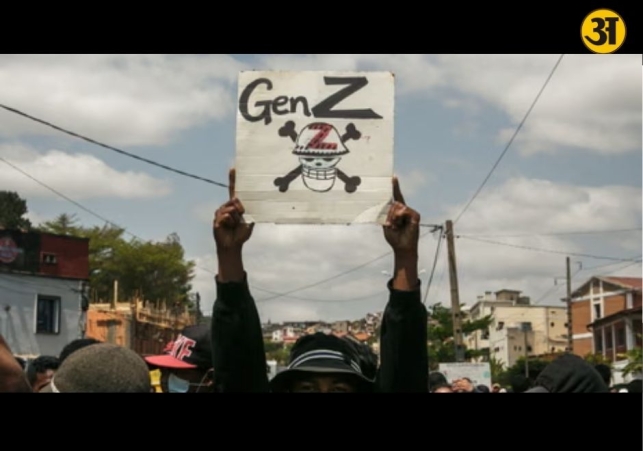
This transformation comes after widespread protests in 2025 that led to the fall of the government led by KP Sharma Oli. These protests were largely driven by young people, especially Gen Z, who were frustrated with issues like corruption, unemployment, and poor governance.
The elections that followed marked a historic moment in Nepal’s political journey. A new party, Rastriya Swatantra Party, emerged as a powerful force, winning a large majority in parliament and ending the dominance of traditional political parties.
Rise of young leadership in nepal
At the centre of this political shift is Balendra Shah, also known as Balen Shah. He is now the youngest Prime Minister of Nepal and represents a new generation of leaders.
Before entering national politics, Shah was known as a rapper and served as the mayor of Kathmandu. His journey from music to politics has inspired many young people across the country. His leadership reflects a fresh approach that focuses on development, transparency, and accountability.
Shah’s popularity grew because he connected directly with young voters. His campaign focused on real issues such as job opportunities, corruption, and better governance. Many young people felt that he understood their concerns better than traditional leaders.
In the elections, Shah defeated experienced leaders, including KP Sharma Oli, which showed that people were ready for change. His victory symbolised a clear rejection of old political systems and a strong desire for new ideas.
The success of the Rastriya Swatantra Party also played a key role in this transformation. The party won 182 out of 275 seats, which is a huge majority. This result showed that voters wanted a new direction for the country.
ALSO READ: Oil prices rise as Donald Trump signals US will not depend on Strait of Hormuz supply
ALSO READ: Russian AN-26 military plane crashes in Crimea, all 29 people on board killed
Gen z protests changed the political landscape
The foundation of this political shift was laid during the 2025 protests. These protests began over a ban on social media but quickly grew into a nationwide movement against corruption and lack of opportunities.
Young people across Nepal came together to demand change. They used social media to organise protests and share information. The movement became so strong that it forced the government to resign.
Unlike previous political movements in Nepal, this one was driven by ordinary citizens rather than political elites. It showed the power of digital platforms and youth participation in shaping the future of the country.
The protests were intense and, at times, turned violent, leading to several casualties. However, they also created pressure for reforms and led to early elections. These elections gave people a chance to choose new leaders who represented their aspirations.
The new parliament is very different from the past. Many members are first-time MPs and come from diverse backgrounds such as journalism, activism, law, and social work. This is a major shift from the earlier system, which was dominated by career politicians.
Some key leaders in the new parliament include Rabi Lamichhane, who played an important role in building the party, and several young MPs from different parts of the country. There is also better representation of women and marginalised communities.
This change shows that politics in Nepal is becoming more inclusive and open to new voices. It also reflects a growing demand for accountability and better governance.
Experts believe that this is Nepal’s first true “Gen Z political moment.” The younger generation did not just vote; they actively shaped the political agenda. They focused on practical issues like transparency, efficiency, and development rather than traditional political ideologies.
At the same time, traditional parties like the Nepali Congress and communist groups have faced major setbacks. This indicates that people have lost trust in old leadership and are looking for new alternatives.
In conclusion, Nepal is going through a significant political transformation driven by its youth. The rise of young leaders, the success of new political parties, and the active role of Gen Z voters have changed the country’s political landscape.
While challenges remain, this shift offers hope for a more transparent, accountable, and inclusive system. The coming years will be important in determining how this new leadership delivers on its promises and meets the expectations of the people.
Nepal’s example also shows how youth participation can bring real change in a democracy. It highlights the power of collective action and the importance of giving young people a voice in shaping the future.
Related News