Iranian missile strike kills Indian sailor
Indian crew member killed after Iranian missiles hit UAE oil tankers in Strait of Hormuz
The United Arab Emirates (UAE) has said that two of its oil tankers were hit by Iranian cruise missiles while passing through the Strait of Hormuz. The attack killed one Indian crew member and injured eight others. The incident has raised fresh concerns about safety in one of the world's busiest shipping routes and has further increased tensions in the Gulf region.
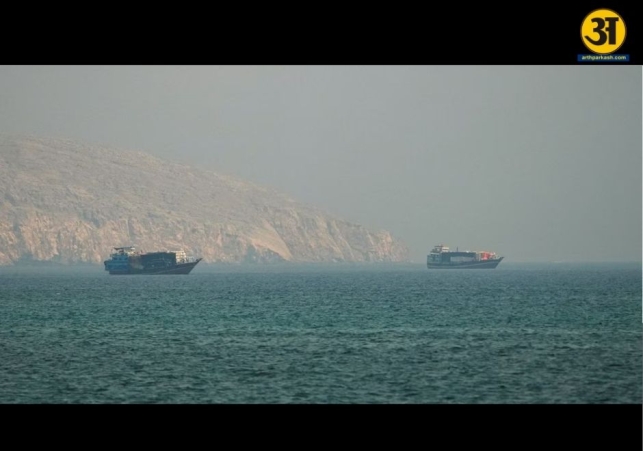
According to the UAE Ministry of Defence, the oil tankers Mombasa and Al Bahiyah were travelling through the southern shipping lane of the Strait of Hormuz in Omani territorial waters when they came under attack. The ministry said two Iranian cruise missiles struck the vessels, causing fires and major damage.
The ministry confirmed that one Indian crew member on board the Mombasa tanker died in the attack. Eight other crew members were injured, including six Indians and two Ukrainians. Officials said four of the injured suffered serious wounds and are receiving medical treatment.
Despite the damage, the crew acted quickly to control the fires on both tankers. Their efforts prevented a bigger disaster in the narrow waterway, which is used by a large number of oil tankers every day. Authorities said the fires were brought under control before they could spread further.
UAE condemns the attack
The UAE strongly condemned the missile strike, calling it a serious violation of international law. The government said it reserved the right to respond and would take all necessary measures to protect its sovereignty, maritime security and national interests.
Officials stressed that attacks on commercial ships threaten global trade and the safety of international shipping. The Strait of Hormuz is one of the world's most important oil transport routes, and any disruption in the area can affect energy supplies across the world.
The attack comes at a time when tensions between Iran and the United States have been rising again. In recent weeks, there have been several incidents involving ships in the Gulf region, raising fears of a wider conflict.
The UAE has not announced what action it may take in response but said it would continue working to protect shipping routes and ensure the safety of vessels passing through the region.
Trump announces blockade plan
Following the attack, US President Donald Trump announced that the United States would reinstate a blockade against Iran in the Strait of Hormuz. In a post on social media, Trump said other countries would continue to have access to the waterway but would have to pay charges for safe passage.
He also said the United States would collect 20 per cent of the value of cargo carried by ships to cover the costs of providing security in the region. The US military announced that the blockade of Iranian ports would resume from Tuesday afternoon.
Trump's announcement marks a significant policy change. Earlier, the United States had maintained that the Strait of Hormuz should remain open to all countries without any tolls or restrictions. The earlier blockade had been lifted as part of an interim peace agreement reached last month.
Iran has repeatedly maintained that it has control over the Strait of Hormuz and has opposed any foreign restrictions in the area. Experts believe that any attempt by either the United States or Iran to impose charges or restrict movement through the waterway could violate international norms on freedom of navigation.
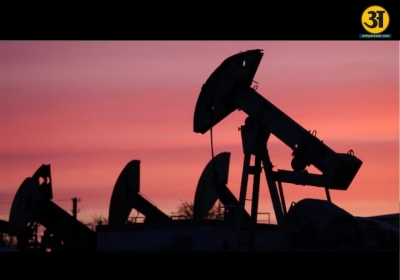
The latest developments have also affected global oil markets. Brent crude oil prices rose by nearly eight per cent to around 81.92 US dollars per barrel after the attack, reflecting growing concerns over possible disruptions in oil supplies. Although prices remain below the peak levels seen earlier this year, analysts warn that further escalation could lead to higher fuel costs worldwide.
The Strait of Hormuz is a crucial shipping route through which a significant portion of the world's oil exports passes every day. Any military action or disruption in the area can have immediate economic consequences for countries that depend on imported energy.
The death of the Indian crew member has also highlighted the risks faced by Indian seafarers working on international commercial vessels. Thousands of Indian sailors serve on cargo ships and oil tankers across the world, often operating in regions affected by geopolitical tensions.
The incident is expected to draw international attention as governments monitor the security situation in the Gulf. With tensions continuing to rise between Iran and the United States, the international community will be closely watching developments to prevent further violence and ensure the safety of commercial shipping in the region.
Related News