Why taking a break is good for your mind and body
Feeling guilty about taking a break? Experts say rest is essential for a healthier and more productive life
- By Gurmehar --
- Monday, 27 Jul, 2026
In today's fast-moving world, being busy has almost become a symbol of success. Many people feel the need to stay productive every minute of the day. Whether it is answering emails, meeting deadlines, studying, managing household responsibilities or checking off items on a never-ending to-do list, there is often pressure to keep going without stopping.
As a result, many people feel guilty when they take a break. Sitting down to relax, spending time doing nothing or even getting extra sleep can sometimes create feelings of guilt. Some worry they are wasting time, falling behind or not working hard enough.
However, mental health and wellness experts say this way of thinking can be harmful. Rest is not a luxury, a reward or a sign of laziness. It is a basic human need that helps people stay physically healthy, mentally strong and emotionally balanced.
According to experts, learning how to rest without guilt can improve focus, reduce stress and help people perform better in the long run. Instead of viewing breaks as lost time, it may be more helpful to see them as an important part of success and well-being.
Rest helps you recharge and think clearly
Many people believe that working longer hours automatically leads to better results. While hard work is important, constantly pushing yourself without taking breaks can have the opposite effect.
Over time, mental and physical exhaustion can make it harder to concentrate, solve problems and make good decisions. People who are tired often feel irritable, overwhelmed and emotionally drained. Their productivity may decrease even though they are spending more time working.
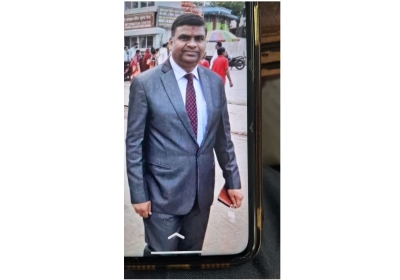
Life coach and NLP practitioner Nasir Shaikh explains that he once believed slowing down meant losing momentum. However, experience taught him that being busy all the time does not necessarily lead to meaningful progress.
According to him, rest allows the mind to recover and regain clarity. When people step away from their responsibilities for a short time, they often return with a fresh perspective and renewed energy.
A rested mind is generally better at identifying opportunities, handling challenges calmly and focusing on priorities. On the other hand, an exhausted mind may struggle to process information effectively and can become stuck in cycles of stress and frustration.
Experts stress that taking a break does not mean avoiding responsibilities. Instead, it helps people handle those responsibilities more effectively.
Scientific research has also shown that regular rest periods can improve memory, creativity and concentration. This is one reason why many successful professionals, athletes and business leaders prioritise recovery and downtime as part of their routine.
Another important point experts highlight is that rest looks different for everyone.
Many people think rest only means sleeping. While quality sleep is extremely important, there are several other ways to recharge.
For some people, rest may mean taking a peaceful walk in nature. Others may feel refreshed after spending time with family and friends. Some people enjoy reading a book, listening to music, meditating, praying or simply sitting quietly for a few minutes.
Even small moments of pause during a busy day can help reduce stress and improve mental well-being.
The key is finding activities that allow your mind and body to relax and recover.
Let go of the guilt
One of the biggest challenges many people face is overcoming the guilt associated with resting.
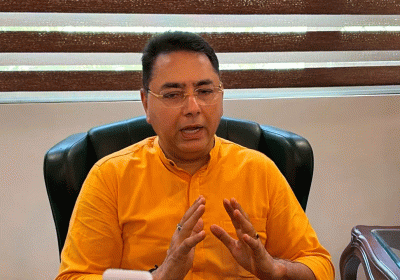
Life coach Sidhharrth S Kumaar believes that modern society often links a person's value to their productivity. People are frequently praised for working long hours and staying constantly busy, which can create the belief that rest must be earned.
As a result, many individuals feel uncomfortable when they are not actively doing something productive.
Experts say the first step in overcoming this mindset is recognising that the guilt itself is often learned behaviour. Feeling guilty does not mean taking a break is wrong. It simply reflects the messages many people have absorbed from their environment over the years.
Instead of asking, "Have I worked hard enough to deserve a break?" experts suggest asking a different question: "What does my mind and body need right now?"
This shift in thinking can help people develop a healthier relationship with rest.
Rest is not something that needs to be earned after reaching exhaustion. It is a necessary part of maintaining overall health and preventing burnout.
Fortunately, you do not need a long vacation to experience the benefits of rest. Small daily habits can make a significant difference.
Experts recommend simple practices such as:
-
Spending 10 minutes each day in quiet reflection
-
Taking a short walk outdoors
-
Eating meals without looking at a phone or screen
-
Turning off work notifications after office hours
-
Getting the recommended amount of sleep each night
-
Listening to your body's signals when you feel tired
-
Setting aside time for hobbies and activities you enjoy
These small actions may seem simple, but they can help reduce stress and improve emotional well-being over time.
Experts also emphasise that rest and success are not opposites. In fact, they often support one another.
Constantly running on empty can lead to burnout, reduced motivation and declining performance. Rest helps restore energy, regulate emotions and improve focus. It allows people to return to their goals with greater clarity and enthusiasm.
Modern culture often celebrates hustle and nonstop productivity, but long-term success requires balance. Just as muscles need recovery after exercise, the mind also needs time to recharge after periods of intense effort.
Taking a break does not mean giving up on your ambitions. It means giving yourself the strength to continue pursuing them in a healthy and sustainable way.
Ultimately, rest is one of the most valuable investments a person can make in their well-being. It supports better mental health, stronger emotional resilience and improved productivity.
The next time you feel guilty for slowing down, remember that rest is not wasted time. It is an essential part of living, working and thriving. By giving yourself permission to pause, recharge and recover, you are not falling behind—you are building the energy and clarity needed to move forward with confidence.
Related News