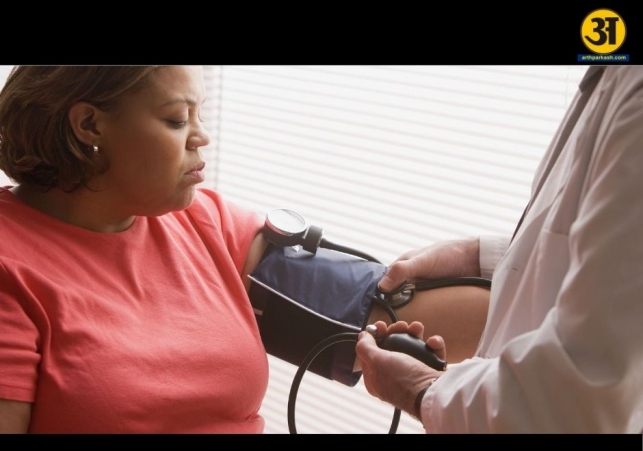
When low blood pressure becomes a concern
Understanding sudden drops in blood pressure: What experts say about risks
High blood pressure often gets more attention, but low blood pressure—also known as hypotension—can be just as troubling. Many people experience low BP without realising it, because the symptoms are mild or ignored. However, if blood pressure falls too low, it can reduce the supply of oxygen and nutrients to important organs like the heart, brain, and kidneys. This can lead to dizziness, fainting, and in severe cases, life-threatening complications.
Low BP is generally defined as a reading below 90/60 mmHg. While some people naturally have lower readings without any problems, others may struggle with daily discomfort, weakness, or sudden episodes of fainting. Understanding the causes, symptoms, and management tips can help people stay safe and healthy.
What low blood pressure means and how it affects the body
Low blood pressure simply means that the force of blood flow inside the arteries is weaker than normal. When this happens, blood moves more slowly through the body, making it harder for organs to receive the oxygen-rich blood they need to function properly. While this may not sound serious, it can affect a person’s balance, thinking ability, and overall energy levels.
Major causes of low blood pressure
Doctors say that low blood pressure can happen for several different reasons. Some are temporary and easy to fix, while others may be linked to deeper health issues. According to experts like Dr Rahul Gupta, low BP can be triggered by:
1. Dehydration:
Not drinking enough water is one of the most common causes. When the body loses too much fluid, blood volume drops, which lowers blood pressure.
2. Skipping meals:
Large gaps between meals or eating too little can cause blood sugar levels to fall, leading to a sudden drop in BP.
3. Heart conditions:
Problems like a weak heart, slow heartbeat, or heart valve disorders may reduce the heart’s ability to pump blood properly.
4. Hormonal imbalances:
Thyroid issues, adrenal gland disorders, or low blood sugar can affect blood pressure levels.
5. Medications:
Some medicines for heart disease, anxiety, depression, and high BP may lower blood pressure as a side effect.
6. Long periods of bed rest:
Staying in bed for too long, especially after surgery or illness, may weaken the body’s ability to regulate blood pressure.
7. Sudden changes in posture:
Standing up too quickly can cause blood to collect in the legs, dropping BP. This is called postural or orthostatic hypotension.
8. Age and existing illnesses:
Older adults and people with long-term diseases like diabetes or heart failure often experience lower BP.
Symptoms you should watch out for
Low BP symptoms vary from person to person. Some people may not feel anything, while others may experience noticeable discomfort. Common symptoms include:
-
Dizziness or light-headedness
-
Blurred or dimmed vision
-
Fatigue or constant tiredness
-
Nausea
-
Fainting or feeling like you may faint
-
Weakness after standing up suddenly
Severe low blood pressure may cause:
-
Confusion
-
Pale or cold skin
-
Shallow breathing
-
Weak, rapid pulse
-
Difficulty concentrating
These signs indicate that the brain and other organs are not getting enough blood. Immediate medical attention is necessary in such cases.
Importance of early detection and daily management tips
Low blood pressure is not always harmful. Many people naturally have low readings and feel perfectly healthy. However, constant or unexplained low BP can be a sign of an underlying problem. Ignoring symptoms can lead to frequent falls, injuries, or long-term organ damage.
ALSO READ: Understanding hypotension: Signs, reasons, and when it becomes serious
ALSO READ: India’s love for sugary chai continues even as diabetes cases climb
When to worry about low blood pressure
Doctors recommend seeking medical help if:
-
Symptoms like dizziness, fainting, or chest discomfort occur often
-
There is confusion or trouble concentrating
-
Vision becomes blurry during simple daily tasks
-
BP readings remain low for several days
-
There is a sudden drop after starting new medication
Timely diagnosis helps identify the root cause and prevents complications.
How to manage low blood pressure at home
Fortunately, many cases of low blood pressure can be managed with simple lifestyle changes. Doctors suggest the following easy tips:
1. Stay hydrated:
Drink water regularly throughout the day. This helps maintain blood volume and prevents sudden drops in BP.
2. Don’t skip meals:
Eat small, frequent meals. Long gaps between meals can cause your BP to fall suddenly.
3. Use salt wisely:
Salt increases blood pressure, but it should be consumed only as per a doctor’s advice, especially if you have heart or kidney issues.
4. Avoid sudden movements:
Stand up slowly from sitting or lying down. This prevents dizziness and fainting.
5. Wear compression stockings:
These help improve blood flow in the legs and prevent blood from pooling, especially for those who stand for long hours or travel frequently.
6. Eat a balanced diet:
Include fruits, vegetables, nuts, lean proteins, and whole grains. A healthy diet helps regulate hormones and maintain BP.
7. Monitor your BP regularly:
Keep track of your blood pressure readings if you experience frequent symptoms. This helps your doctor understand patterns and adjust treatment.
8. Limit alcohol:
Alcohol can lower blood pressure dramatically and cause dehydration.
Why regular check-ups are important
If you frequently experience low BP episodes, regular health check-ups are essential. Doctors can identify causes like anemia, nutrient deficiencies, or heart problems that need attention. With proper treatment and timely monitoring, most people can live comfortably without major health risks.
Low blood pressure may not always seem dangerous, but ignoring persistent symptoms can lead to serious complications. By recognising the signs early, staying hydrated, eating well, and following medical advice, you can manage low BP effectively. The key is to listen to your body and get help when needed. Staying aware and taking small steps every day can protect your health and improve your quality of life.
Related News