What was the US operation called that dropped atomic bombs on Japan?
Hiroshima Day 2025: What was the codename of the US operation that dropped atomic bombs?
- By Gurmehar --
- Friday, 08 Aug, 2025
Every year on August 6, the world observes Hiroshima Day to remember the tragic event when the United States dropped the first atomic bomb on the Japanese city of Hiroshima in 1945. This year, 2025, marks the 80th anniversary of that day — a reminder of the destruction nuclear weapons can cause, and a moment to reflect on the importance of peace.
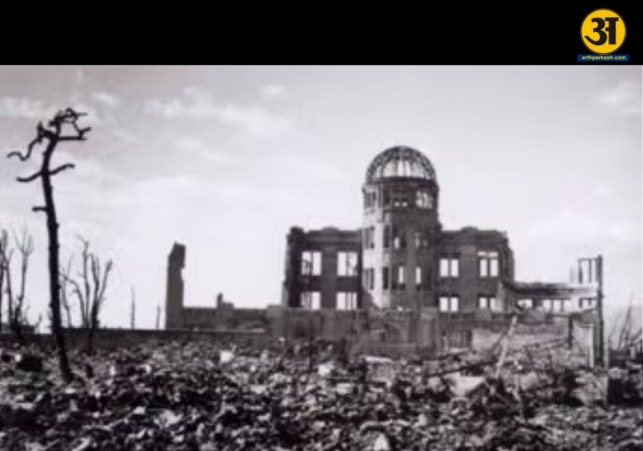
On August 6, 1945, near the end of World War II, a U.S. B-29 bomber aircraft dropped an atomic bomb on Hiroshima. The bomb was nicknamed 'Little Boy'. It exploded with devastating force, instantly killing between 70,000 and 80,000 people. Over time, the death toll rose to more than 140,000 due to radiation, burns, and other injuries.
The bombing completely destroyed the city, leaving buildings flattened, streets empty, and thousands of lives changed forever. People who survived the blast — known as hibakusha — faced long-term health problems, psychological trauma, and social stigma.
Just three days later, on August 9, 1945, the United States dropped another atomic bomb — this time on the city of Nagasaki. The codename for this second bombing mission was Operation Centerboard.
The second bomb was called 'Fat Man', and it killed an estimated 74,000 people by the end of 1945. After witnessing the massive destruction caused by both bombings, Japan’s Emperor Hirohito announced the country’s surrender on August 15, 1945, effectively bringing World War II to an end.
Why the bombs were dropped and the mission behind it
The main reason the U.S. dropped atomic bombs was to force Japan to surrender. At that time, Japan was a key member of the Axis powers (along with Germany and Italy) and had refused to surrender to the Allied forces, even after many months of heavy fighting and destruction.
The bomb dropped on Hiroshima was not part of a single, large military operation with a codename. However, the second bombing of Nagasaki was part of a mission called Operation Centerboard.
Operation Centerboard was a carefully planned military strategy. The goal was to pressure Japan even further by showing the destructive power of a second nuclear bomb. The U.S. military believed that if Japan did not surrender after Hiroshima, the second bombing would force them to give up the war — and that is exactly what happened.
This bombing also marked the second and last time in history that nuclear weapons were used in war. No other country has used atomic bombs in battle since then.
The short- and long-term effects of the bombing
The immediate effects of the Hiroshima bombing were shocking. A huge number of people died instantly. Many more were seriously injured. Survivors suffered terrible burns, injuries, and were exposed to radiation, which led to long-term illnesses like cancer, organ failure, and genetic damage.
Some of the long-term effects of the bombings include:
-
Higher cancer rates among survivors
-
Birth defects in children born to survivors
-
Mental trauma and emotional distress that lasted for decades
-
Social discrimination against survivors in Japanese society
-
Environmental destruction that took years to rebuild
Even now, 80 years later, many people are still feeling the effects of that one day. Hiroshima and Nagasaki both became powerful symbols in the global movement against nuclear weapons.
Why Hiroshima Day matters today
Hiroshima Day is not just about remembering the past — it's also about learning from it. It’s a day to think about how war affects ordinary people and to work toward a future where peace and dialogue replace violence and destruction.
Both Hiroshima and Nagasaki have since become symbols of peace. Today, these cities are known for their efforts to promote nuclear disarmament and global cooperation. The Peace Memorial Park in Hiroshima and the Nagasaki Atomic Bomb Museum are visited by millions of people each year who come to understand the human cost of war.
ALSO READ: How many times should you tie the Rakhi thread? Understanding the tradition behind it
ALSO READ: Modern parenting trend 'FAFO' sparks debate among experts and parents alike
World leaders, schoolchildren, peace activists, and survivors come together on August 6 each year to light candles, ring bells, and hold silence in memory of the lives lost. The hope is that such a tragedy will never happen again.
Conclusion: A message for future generations
The bombing of Hiroshima and Nagasaki changed the course of history. It showed the world how powerful — and how dangerous — nuclear weapons can be. The memory of those days is a powerful call to action for peace, kindness, and the protection of human life.
As we mark Hiroshima Day 2025, 80 years after the atomic bomb was dropped, it’s a time to remember the lives lost and the cities destroyed — but also to renew our promise to never let history repeat itself.
Understanding the past helps us build a better, more peaceful future. Hiroshima is not just about war — it’s also a story of survival, hope, and the strength of the human spirit.
Related News