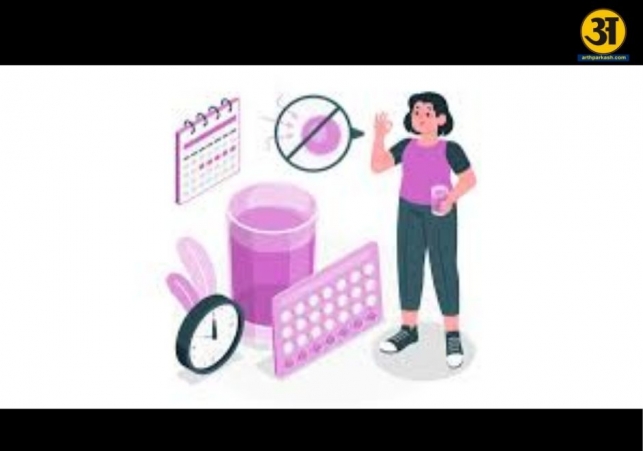
What couples must know about contraception and fertility
Contraception and fertility explained: Key facts couples should understand
Contraception is more than just a way to prevent pregnancy. It is a tool that gives people the freedom to make choices about their reproductive health. By using contraception, men and women can decide when or whether they want to have children. This allows them to plan their lives, education, careers, and personal goals without being forced into parenthood too early. In this way, contraception is not just a medical tool but also a way to take control of one’s life.
According to Dr. Prachi Benara, a fertility specialist at Birla Fertility & IVF in Gurgaon, using effective contraceptive methods, like pills, intrauterine devices (IUDs), or barrier methods, gives couples confidence. They can delay parenthood without constantly worrying about unplanned pregnancies. This freedom is very important, but it also comes with a responsibility. Biology does not stop, and reproductive health changes with age. Eggs grow older, sperm quality can decline, and health problems affecting fertility may develop silently.
Why fertility check-ups are important
Fertility testing is like a regular health check-up for reproductive health. Just as people check their blood pressure or cholesterol, fertility check-ups help detect issues early. Conditions such as PCOS (polycystic ovary syndrome), endometriosis, low ovarian reserve, or sperm problems can be found even before someone tries to have a child. This is especially helpful for people who choose to delay parenthood.
Knowing about fertility problems early gives individuals options. They can make lifestyle changes, start medical treatment, or consider preserving their fertility by freezing eggs or sperm. Regular check-ups reduce stress later and help people plan for a healthy pregnancy when they are ready. Fertility testing combined with contraception allows people to enjoy freedom now while staying prepared for the future.
Contraception and fertility tests work together. Contraception gives time to plan life, and fertility check-ups give information to plan parenthood. Together, they reduce the risk of surprises like age-related fertility decline or undiagnosed health issues when someone decides to have children.
Dispelling myths and building empowerment
One common myth is that long-term use of contraception can destroy fertility. This is not true. Most methods of contraception are reversible. Fertility usually returns once contraception is stopped. If someone experiences delays in conceiving, it is usually due to age or an existing health condition, not because of contraception. Understanding this helps reduce anxiety and encourages people to consult doctors when needed.
Contraception is not about restriction—it is about empowerment. It allows individuals to balance personal goals and reproductive decisions. When combined with regular fertility check-ups, contraception becomes part of a long-term approach to reproductive health rather than a temporary solution. People can plan their careers, travel, education, and personal life while being ready for parenthood at the right time.
ALSO READ: Non-communicable disease deaths surge in India, women face greater burden
ALSO READ: France rocked by violent protests as political crisis meets public anger
Couples who understand the importance of contraception and fertility testing can make smarter, healthier decisions. They can avoid rushing into parenthood, reduce the risk of complications, and ensure the best possible outcomes when they decide to have children. Knowledge, planning, and regular medical check-ups make parenthood safer and more predictable.
In conclusion, contraception provides the freedom to plan your life, while fertility tests give the knowledge to plan parenthood wisely. Both together create a strong foundation for reproductive health. By combining these tools, individuals gain control over their bodies, their futures, and the timing of starting a family. This approach ensures that when the moment is right, parenthood is safe, healthy, and aligned with personal goals.
Related News