The deeper meaning behind the battle for stray dogs
Why the fight for stray dogs is about more than just their future
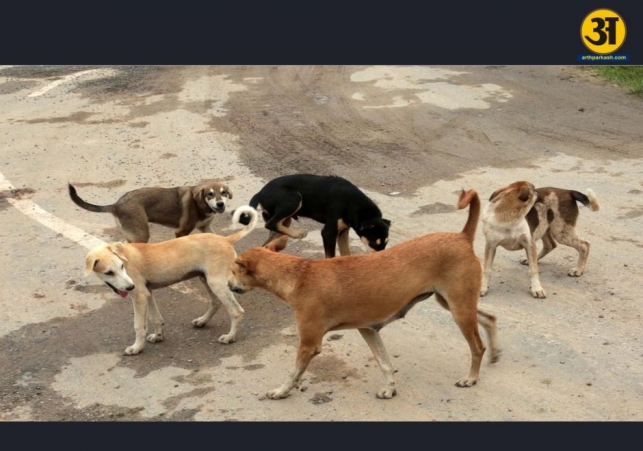
The Supreme Court’s recent order that all stray dogs should be put permanently into “shelters” has started a heated debate. On the surface, it may seem like an argument only about dogs. But in reality, it reflects something deeper – a shift in our values, our empathy, and our idea of coexistence.
Even in popular films, signs of this change are visible. In Housefull 5, there are scenes showing an AI-generated parrot-like bird being hit, slammed against a wall, and even sucked into a vacuum cleaner for laughs. The fact that such cruelty – even to a digital animal – was seen as funny by filmmakers, actors, and the film certification board shows how far our compassion has declined.
Compassion is disappearing
India likes to think of itself as a country of animal lovers. Pet food and accessories are booming in the market, and videos of cats and dogs often go viral online. But the treatment of stray dogs tells a different story. Many people are ready to see millions of dogs locked up for life because of the actions of a few aggressive ones.
This is a sign of double standards. People can shower love on their own pets, yet have no concern for other animals – just as they can protect their own children while ignoring the safety of others’ children. This attitude may be linked to a growing “me first” mindset encouraged by western-style individualism. In earlier times, schools (especially Christian ones) taught “moral science” – lessons about right and wrong, honesty, service to the community, and compassion for all living beings. These values were once reinforced at home as well. Today, both families and schools seem to have abandoned this responsibility.
The moral vacuum is clear. We speak of a shared planet but often ignore the suffering of creatures around us. In the so-called developed world, culling – a polite word for killing – of animals is routine. In Australia, kangaroos, camels, and wild cats are killed in large numbers; in the US, wolves, bears, and beavers face the same fate. Even pet dogs and cats without owners are placed in shelters with strict time limits before they are put down. Ownership decides their right to live.
India’s unique tradition of coexistence
India has always followed a different path. In 1972, we banned hunting of all wild animals through the Wildlife Protection Act – while the West was still organising hunts for sport. Our culture treats animals not as property but as partners in life. In our religions, gods and goddesses are accompanied by animals – a mouse for Ganesha, a lion for Durga, a bull for Shiva, an owl for Lakshmi, a peacock for Kartikeya, and even a dog for Kal Bhairav and Yama.
Stories in the Ramayana and Mahabharata include countless animals: Hanuman the monkey god, Jatayu the vulture who died defending Sita, the chipmunks who helped build the Ram Setu, and the loyal dog who followed Yudhishthira on his final journey. This tradition respects all life – from ants to elephants.
ALSO READ: World Organ Donation Day 2025: History, significance, and how you can become a donor
ALSO READ: Significance of IAF downing an ELINT, AEW&C aircraft in Operation Sindoor
In comparison, many Abrahamic traditions lack this built-in reverence. The English language itself is full of negative expressions about dogs: “going to the dogs,” “in the doghouse,” or “dog-eat-dog.” In India, dogs have been community companions for centuries, living alongside people without ownership.
But too few Indians today seem to be aware of this heritage. Otherwise, we would not think it acceptable for filmmakers to depict cruelty to animals for cheap laughs. Nor would so many welcome the idea of confining lakhs of dogs for life instead of finding humane solutions.
Even as people bow before deities and their animal companions, they seem to forget the deeper meaning – respect for all creatures. The rise of western-style individualism, replacing India’s tradition of community and coexistence, is leading to many social problems. Stray dogs are just one visible victim.
If we continue down this path, we risk losing something precious – not only our compassion for animals but the very values that have allowed us to live in harmony for thousands of years. The battle for stray dogs is, in truth, a battle for the soul of our civilisation.
Related News