Shah shares new seat figures, says South will not lose representation
Amit Shah says delimitation will increase southern states’ Lok Sabha seats
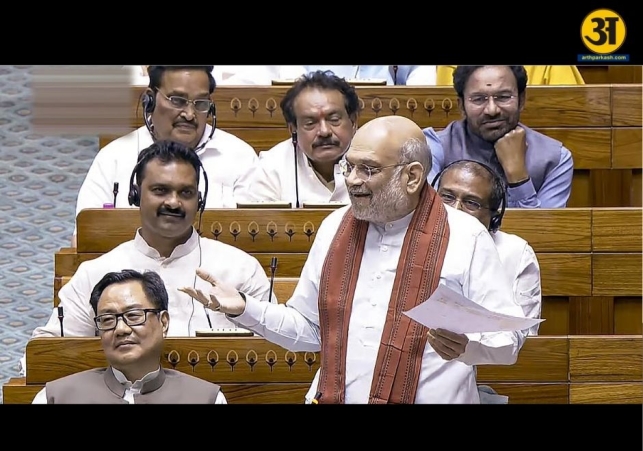
Union Home Minister Amit Shah on Thursday said that southern states will gain more seats in the Lok Sabha after delimitation and will not lose political representation. Speaking during the special session of Parliament, Shah said false fears were being spread that states in the South would suffer because of the proposed changes.
He said the new plan would increase the total number of Lok Sabha seats and also raise the number of MPs from southern states. According to him, the combined strength of five southern states will rise from 129 seats at present to 195 seats in the new House.
The statement came during debate on the Constitution (131st Amendment) Bill, which proposes 33 per cent reservation for women in the Lok Sabha and state Assemblies. Along with this, the government also introduced the Delimitation Bill and another bill related to Union Territories.
Delimitation means redrawing parliamentary and assembly constituencies according to population changes. It is usually done to ensure fair representation as populations rise or shift over time.
Shah said the new House would become larger, which means no state would lose its current number of seats in absolute terms. Instead, many states would gain more seats because the total size of the Lok Sabha would increase.
Southern states to gain more seats
Amit Shah directly addressed concerns raised by leaders from Tamil Nadu, Kerala and other southern states. Many opposition leaders have argued that states which controlled population growth should not be punished by getting fewer seats compared to states with faster population growth.
Shah rejected this argument and said southern states would actually see their numbers rise.
He said Karnataka currently has 28 Lok Sabha seats. Under the proposed plan, this would rise to 42 seats. Its share in the House would also slightly improve.
Andhra Pradesh now has 25 seats, which would increase to 38 seats after delimitation.
Telangana, which currently has 17 seats, would rise to 26 seats.
ALSO READ: US seeks 20-year nuclear pause while Iran offers 5 years as talks remain deadlocked
ALSO READ: Trump says he does not care if Iran returns to talks after negotiations fail
Tamil Nadu, one of the states most vocal about delimitation concerns, would increase from 39 seats to 59 seats, according to the figures presented by Shah.
Kerala would move from 20 seats to 30 seats.
Shah said the combined share of southern states would remain stable and even slightly improve in percentage terms. At present, these five states together hold around 23.76 per cent of Lok Sabha seats. In the proposed larger House, they would have around 23.97 per cent representation.
He said this proves that no injustice is being done to the South.
He also gave a direct assurance to Tamil Nadu and said its voice in Parliament would become stronger, not weaker.
The issue of delimitation has become politically sensitive because many southern states fear they may lose influence in national politics if seat distribution is based only on population. These states have generally recorded lower population growth rates than some northern states over the last few decades.
Critics say states that performed better in education, healthcare and family planning should not be disadvantaged.
However, Shah said the government’s proposal ensures fairness while also recognising present population realities.
Women’s quota linked to bigger Lok Sabha
The debate also took place in the context of the women’s reservation proposal. The Constitution Amendment Bill seeks to reserve 33 per cent seats for women in the Lok Sabha and state assemblies.
To implement this, the government plans to increase the size of the Lok Sabha to a maximum of 850 seats from the current 543 after delimitation.
This expansion is meant to create enough constituencies so women’s reservation can be introduced before the 2029 general elections.
Alongside this, two ordinary bills were introduced. One deals with delimitation procedures, while the second applies women’s reservation changes to Union Territories such as Delhi, Puducherry and Jammu and Kashmir.
Shah said there has been no major change in the Delimitation Commission Act. He claimed the government had not altered even a comma or full stop in the existing framework.
He responded to opposition criticism by saying if previous governments misused such laws, the present government would not repeat that.
The Home Minister also rejected claims that the new law was being rushed because of upcoming elections in Tamil Nadu or West Bengal.
He said the delimitation report would come into effect only after Parliament approves it and the President gives assent. Therefore, it cannot be implemented before 2029.
This means the next elections before 2029 would continue under the current constituency system.
The numbers in Parliament make the debate important. The ruling NDA has around 292 members in the 543-member Lok Sabha, which is enough for a simple majority but short of the two-thirds support needed to pass a constitutional amendment.
The opposition bloc has around 232 members and has said it will oppose the bill.
Even so, Shah’s speech aimed to calm fears, especially in the South, where delimitation remains a major political issue.
The government argues that increasing the total number of seats is the best way to protect all regions while modernising representation.
Opposition parties remain cautious and want stronger guarantees that states with successful population control policies will not lose influence.
As debate continues, delimitation is likely to remain one of the biggest political questions before the 2029 elections.
Related News