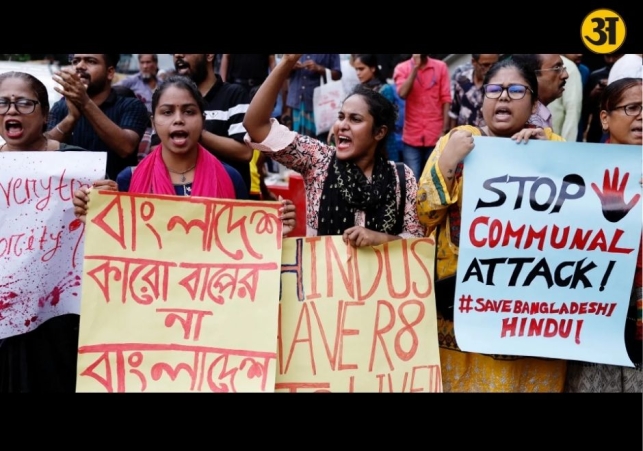
Rising communal violence puts minority security at centre of vote
Bangladesh general election: Why February polls matter for Hindu minority’s safety
Bangladesh will hold its general election on February 12 to elect a new government. The vote is taking place at a sensitive time for the country, especially for minority communities. Since the political upheaval and the ousting of former prime minister Sheikh Hasina in 2024, there has been a noticeable rise in communal tension and violence.
For many people, this election is not only about choosing political leaders. It is also about the future of minority rights, safety and social harmony in the country. The Hindu community, which makes up around 8 per cent of Bangladesh’s population, is watching the polls closely. Many community members say they feel insecure due to a series of violent incidents in recent months.
Reports from rights groups and local organisations suggest that attacks against minorities have increased in the run-up to the election. These incidents have included mob violence, killings, destruction of property and attacks on places of worship. The fear is that political instability and polarisation have created an environment where minorities are more vulnerable.
Rising concerns over minority safety
In the months before the election, several cases of violence against Hindus were reported. Some of these incidents were particularly shocking and led to public outrage. In one case, a young Hindu garment worker was reportedly beaten to death by a mob over allegations of blasphemy. In another incident, a Hindu businessman was attacked and later died from his injuries.
According to reports by advocacy groups, multiple Hindu individuals were killed within a short period between December 2025 and mid-January 2026. These killings were described by some observers as targeted and premeditated. In addition to murders, there have been claims of hundreds of communal incidents over the past year, including attacks on homes, shops and temples.
Minority leaders say such incidents have created a climate of fear. Many families are worried about their personal safety and the security of their property. Some say they feel isolated and uncertain about their future in the country.
Bangladesh has a long history of cultural and religious diversity. Hindus, Muslims, Buddhists and Christians have lived together for generations. However, during times of political tension, communal violence has sometimes increased. Critics argue that political competition can sometimes deepen social divisions, especially when strong emotions and identity issues are involved.
The February election is therefore being seen as a test of the state’s ability to ensure equal protection for all citizens. Ensuring law and order during and after the polls is considered essential to restore trust among minority communities.
ALSO READ: India free to buy oil from any country, Russia says after Trump’s claim
ALSO READ: Is Jeffrey Epstein dead or alive? New files spark bizarre online theories
Why the election outcome is important
The result of the general election could shape Bangladesh’s political direction for the next several years. It may also influence how strongly the next government acts to protect minority rights and address communal violence.
Minority groups are hoping that the new leadership will take clear steps to prevent mob attacks, ensure quick investigations, and punish those responsible for violence. They are also calling for stronger legal safeguards and better police protection in vulnerable areas.
Political stability is another key factor. If the election is peaceful and widely accepted, it could reduce tensions and create space for dialogue. On the other hand, if the polls are disputed or followed by unrest, there are fears that minorities could again become easy targets during political clashes.
For Bangladesh’s international image, the election also matters. The country has made significant economic progress in recent decades and has been praised for improvements in health, education and women’s empowerment. However, repeated reports of communal violence could raise concerns among global observers about human rights and social stability.
The safety of minorities is not just a community issue but a national one. A country’s strength depends on its ability to protect all its citizens, regardless of religion or background. When minorities feel secure, it strengthens social unity and democratic values.
Many civil society groups in Bangladesh are urging all political parties to avoid divisive language and focus on inclusive development. They are also asking authorities to increase security around polling stations and minority-dominated areas during the election period.
The February 12 vote will therefore be more than a political event. For Hindu minorities and other vulnerable groups, it represents hope for greater protection and equal treatment. The election’s conduct and outcome will send an important message about Bangladesh’s commitment to pluralism, democracy and rule of law.
As the country prepares to vote, the focus remains on whether the new government can restore confidence among minorities and ensure that every citizen feels safe and respected. The coming days will show whether Bangladesh can move toward greater unity and stability during this critical moment in its history.
Related News
.jpg)