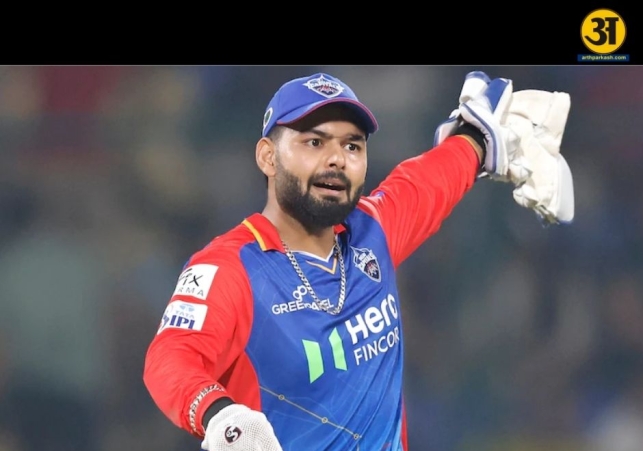
Rishabh Pant named India’s 38th Test captain
Rishabh Pant to become India’s 38th Test captain; see which team had most skippers
New Delhi: Rishabh Pant will lead India in the second Test against South Africa at the Barsapara Cricket Stadium in Guwahati. This comes after India’s regular captain, Shubman Gill, was ruled out due to a neck spasm. Pant, who is the team’s vice-captain, had already taken charge during the first Test in Gill’s absence but was officially a stand-in during the Kolkata Test.
The Board of Control for Cricket in India (BCCI) confirmed that Shubman Gill had travelled with the team to Guwahati on November 19 but was not fully fit to play the second Test. “Team India captain Shubman Gill, who suffered a neck injury during the first Test against South Africa, has been ruled out of the second Test in Guwahati,” the BCCI said in a statement. Gill will now head back to Mumbai for further assessment of his injury.
During the first Test, Gill had retired hurt in his first innings after hitting a four off Simon Harmer. He felt discomfort in his neck immediately after the shot and required medical attention, which forced him to leave the field. He did not return for the rest of the match, and Pant had to take over the team leadership.
With Pant stepping in for the second Test, he becomes India’s 38th Test captain. This places him among a list of distinguished Indian skippers, including Lala Amarnath, C.K. Nayudu, Bishan Singh Bedi, and others. This is a notable milestone in Pant’s career, marking his entry into an elite group of cricket leaders.
Teams with most Test captains
With Pant now leading, India ties with the West Indies for having the third-most captains in Test cricket history. Here is a list of teams with the highest number of Test captains from the start of Test cricket until 2025:
-
England: 82 captains (1877–2025)
-
Australia: 47 captains (1877–2025)
-
West Indies: 38 captains (1928–2025)
-
India: 38 captains (1928–2025, including Pant)
-
South Africa: 42 captains (1889–2025, excluding the ban period from 1970–1991)
This statistic highlights the rich cricketing history of India and the West Indies, both having produced multiple leaders to guide their teams over the years. India’s captaincy journey began with C.K. Nayudu, one of the country’s first Test captains, and has seen the emergence of many iconic leaders, including Kapil Dev, Sourav Ganguly, Mahendra Singh Dhoni, and Virat Kohli. Pant now joins this lineage, carrying forward the legacy of Indian cricket leadership.
ALSO READ: How stable tax rules can rebuild business trust and boost growth
ALSO READ: A simple daily breathing test can reveal early signs of lung trouble
Rishabh Pant’s leadership comes at a crucial time, as India faces a must-win situation in the second Test. His appointment as captain reflects both the team’s trust in his abilities and the necessity to maintain continuity despite Gill’s absence. Pant has already shown calmness under pressure during the first Test, making him a suitable choice to lead the side in this high-stakes encounter.
The decision also emphasizes the importance of having a reliable vice-captain who can step in when the regular captain is unavailable. Pant’s experience as vice-captain, combined with his aggressive batting style and strategic understanding of the game, makes him well-equipped to manage the team on the field. Experts believe that his leadership can inspire confidence in younger players while keeping the team’s performance levels consistent.
Shubman Gill’s injury is a setback for India, as he has been a consistent performer and a key figure in the batting lineup. However, with Pant taking over, India retains a strong leadership presence, ensuring that the team remains focused on the series. The BCCI and team management are closely monitoring Gill’s recovery, with hopes that he will return to full fitness soon for future matches.
India’s cricket history shows that the team has often benefited from capable stand-in captains, who step up during injuries or other absences. Pant now joins the ranks of players who have not only led India in challenging circumstances but have also left a mark on the game. His performance as a captain in Guwahati will be closely watched by fans, analysts, and former cricketers alike.
In conclusion, Rishabh Pant’s appointment as India’s 38th Test captain is a significant moment in Indian cricket. With Shubman Gill sidelined due to a neck injury, Pant steps in to lead the team in the second Test against South Africa. India now shares the third-most Test captains with the West Indies, reflecting the country’s rich cricketing heritage. As Pant takes charge, fans and experts will be eager to see how he manages the team, maintains momentum, and navigates the pressures of international Test cricket.
Related News