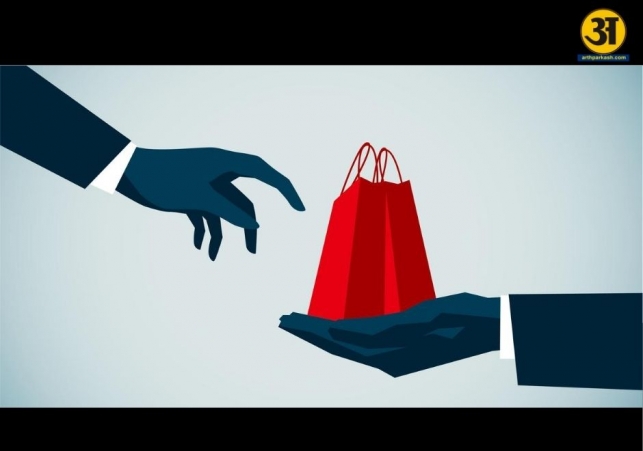
Post-election changes in freebies and women’s schemes
Election impact: How freebies and women-focused schemes may evolve
Ahead of elections in India, governments often announce freebie schemes, especially for women. These schemes are designed to attract voters and are a common feature in states going to polls. In Bihar, Prime Minister Narendra Modi launched the Mukhyamantri Mahila Rojgar Yojana on September 26, 2025. Under this scheme, each beneficiary will receive an initial grant of Rs 10,000 through direct benefit transfer. Later, additional financial support of up to Rs 2 lakh may be provided in subsequent phases.
Such schemes are not new. Over the past two years, ten major states have gone to polls, and each time, freebie schemes were introduced, often with a focus on women. These programs include cash transfers, skill development grants, and employment incentives aimed at improving women’s economic conditions. Political analysts note that these schemes are often used as election-winning strategies, highlighting government efforts to support women voters.
How schemes change after elections
While women-centric schemes are announced generously during elections, they often undergo rationalisation after polls. This happens because states face fiscal pressures once the elections are over. Governments may reduce the number of beneficiaries, delay payments, or cut financial allocations to keep state finances balanced.
For example, Emkay Research reports that spending on cash transfer schemes for women decreased slightly by 0.1 percentage point of the GDP from the budget estimate for FY2025 to FY2026. States such as Haryana, Maharashtra, and Odisha made larger reductions as financial pressures increased. Analysts say that going forward, growth in spending for these schemes will likely be limited in nominal terms.
The trend is clear: announcing freebie schemes before elections typically costs around 1.7 per cent of the GSDP. This surge in spending often pushes the fiscal deficit up by about one percentage point in the election year compared to the previous year. Fiscal deficits rise because the government spends heavily on voter-oriented programs, leaving less room for other capital and development expenditures.
A closer look at state-level data highlights the fiscal impact. Chhattisgarh, which held elections in November 2023, had a fiscal deficit of one per cent in the pre-election year. In the post-election year, this jumped to 4.9 per cent, the highest among major states. Other states, including Odisha, Madhya Pradesh, and Karnataka, also saw fiscal deficits rise by 1.4–1.5 per cent.
The rise in fiscal deficits puts governments in a difficult position. They must either cut capital expenditure, which can slow growth, or rationalise welfare programs to manage finances—or both. As a result, some of the initial promises made during election campaigns may be scaled back or delayed. This pattern is observed across multiple states, showing a clear link between election spending and post-election fiscal adjustments.
Freebies, women-centric schemes, and voter appeal
Women-centric schemes remain popular because women form a significant portion of the electorate. Programs like the Mukhyamantri Mahila Rojgar Yojana aim to support women through financial aid, skill development, and job creation. By offering direct cash transfers, the government ensures that benefits reach the intended recipients quickly.
These schemes also serve as political tools, demonstrating a government’s commitment to women’s welfare. However, while such programs are attractive to voters, their long-term sustainability depends on the state’s financial health. The post-election adjustments often reflect fiscal realities, showing the balance between voter incentives and budgetary constraints.
ALSO READ: Why Indian elections face fairness challenges despite being largely free
ALSO READ: BJP names Dharmendra Pradhan to lead Bihar election campaign
Analysts note that governments may try to maintain the core benefits of these schemes even after elections, but peripheral incentives or additional support may be cut. This ensures that the scheme continues to help beneficiaries while preventing further fiscal strain.
In Bihar, the initial Rs 10,000 grant under the Mukhyamantri Mahila Rojgar Yojana is likely to be maintained. But the additional support of up to Rs 2 lakh in subsequent phases may be adjusted depending on the state’s finances and the number of applicants. Such rationalisation is common across India, showing that election promises are often tempered by fiscal realities.
Women-centric freebie schemes are a key part of election campaigns in India. They attract voters, create political goodwill, and address economic needs. However, after elections, these programs often face rationalisation due to rising fiscal pressures and budget constraints. States must balance promises made during campaigns with financial sustainability, which can lead to cuts or delays in additional benefits.
The experience of Bihar and other states shows a clear pattern: while elections drive the introduction of generous schemes, post-election adjustments are inevitable. Governments continue to support women through these programs, but the scale and speed of benefits may be reduced to manage fiscal deficits. This cycle highlights the interplay between politics, welfare, and finance in Indian states, demonstrating how election-driven schemes evolve over time.
Related News