No toll on Ganga Expressway for first 15 days
Ganga Expressway to remain toll-free for 15 days after launch, offers relief to travellers
- By Gurmehar --
- Sunday, 03 May, 2026
The newly built Ganga Expressway in Uttar Pradesh will remain toll-free for the first 15 days after it begins commercial operations. This announcement was made by Chief Minister Yogi Adityanath, bringing relief to thousands of travellers who are expected to use the route daily.
During this 15-day period, commuters will not have to pay any toll charges, allowing them to experience the expressway without additional cost. The move is aimed at helping people get familiar with the new route while also easing travel in the initial days of operation.
The Uttar Pradesh Expressways Industrial Development Authority (UPEIDA) has already issued instructions to the companies managing the project—IRB Infrastructure and Adani Infrastructure—to follow this order. At the same time, officials have made it clear that all operational and maintenance standards must continue as usual during the toll-free period.
Toll-free period and travel benefits
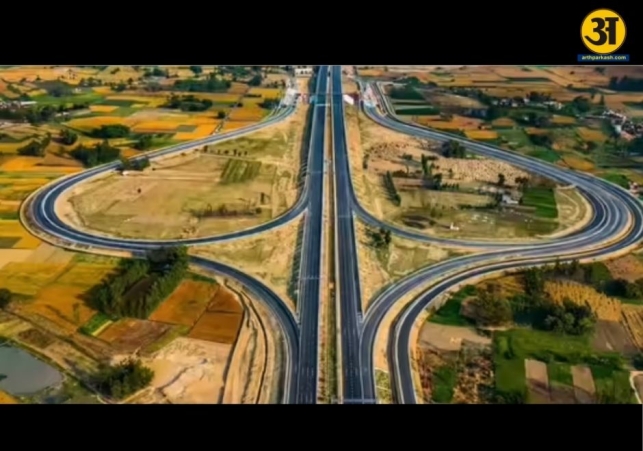
The Ganga Expressway is one of the largest infrastructure projects in Uttar Pradesh. Stretching across 594 kilometres, it connects Meerut in western Uttar Pradesh to Prayagraj in the eastern part of the state. This long corridor is expected to significantly reduce travel time and improve connectivity across multiple regions.
The toll-free period is likely to benefit daily commuters, transport operators, and businesses that rely on road travel. For many people, this will be an opportunity to test the expressway and understand its routes, exits, and facilities without worrying about toll costs.
Once the 15-day period ends, toll charges will be introduced. Officials have indicated that the total toll cost for travelling across the full stretch of the expressway may range between Rs 1,500 and Rs 1,800. However, this amount may vary depending on the type of vehicle and the distance travelled.
The expressway currently has two toll plazas where charges will be collected after the free period. Authorities have also clarified that the FASTag annual pass facility will not be applicable on this expressway. This means users will need to pay toll charges as per standard rates once the free window ends.
The project has been developed under the Public Private Partnership (PPP) model using the Design, Build, Finance, Operate, and Transfer (DBFOT) framework. Under this system, IRB Infrastructure and Adani Infrastructure have been given the right to operate and collect toll on the expressway for a period of 27 years.
A major boost to connectivity and development
The Ganga Expressway was inaugurated by Prime Minister Narendra Modi on April 29, marking a major milestone in Uttar Pradesh’s infrastructure development. The project is expected to play a key role in boosting economic activity across the state.
The expressway passes through 12 important districts, including Meerut, Hapur, Bulandshahr, Amroha, Sambhal, Badaun, Shahjahanpur, Hardoi, Unnao, Rae Bareli, Pratapgarh, and Prayagraj. By connecting these regions, it is expected to improve access to markets, reduce transportation costs, and support faster movement of goods and people.
Built as a six-lane expressway, the road has been designed to be expanded to eight lanes in the future if needed. It has a design speed of 120 kilometres per hour, which will help reduce travel time significantly compared to traditional highways.
ALSO READ: US may present three new military plans to Trump as Iran war tensions continue
One of the standout features of the expressway is a 3.2-kilometre-long airstrip located near Shahjahanpur. This airstrip can be used for emergency landings by Indian Air Force aircraft, adding a strategic advantage to the project.
In terms of safety and technology, the expressway is equipped with modern systems to ensure smooth and secure travel. These include an Intelligent Traffic Management System (ITMS), CCTV cameras for monitoring, emergency call boxes, ambulances, and regular patrolling units. These features are designed to respond quickly to any issues and maintain safety for all users.
Officials believe that the expressway will not only improve travel but also create new opportunities for investment, tourism, and job creation. Better road connectivity often leads to the development of nearby areas, including industrial zones, logistics hubs, and service centres.
Chief Minister Yogi Adityanath has said that the expressway will give a strong push to the state’s development journey. By linking key regions and improving infrastructure, the project is expected to support long-term economic growth.
In conclusion, the decision to keep the Ganga Expressway toll-free for the first 15 days is a welcome step for travellers. It allows people to experience the benefits of this major project without any cost in the initial phase.
As operations begin and traffic increases, the expressway is set to become an important route for both personal and commercial travel. With modern features, improved safety, and faster connectivity, it represents a significant step forward in Uttar Pradesh’s infrastructure development.
Related News