New bus scheme aims to improve rural mobility
UP Cabinet Approves Gram Transport Scheme to Connect 59,000 Villages
The government of Uttar Pradesh has approved a major new transport initiative aimed at improving connectivity across rural areas. The state cabinet, led by Chief Minister Yogi Adityanath, has given the green signal to the Chief Minister Gram Transport Scheme–2026. The programme is designed to provide bus services connecting thousands of villages with nearby administrative centres.
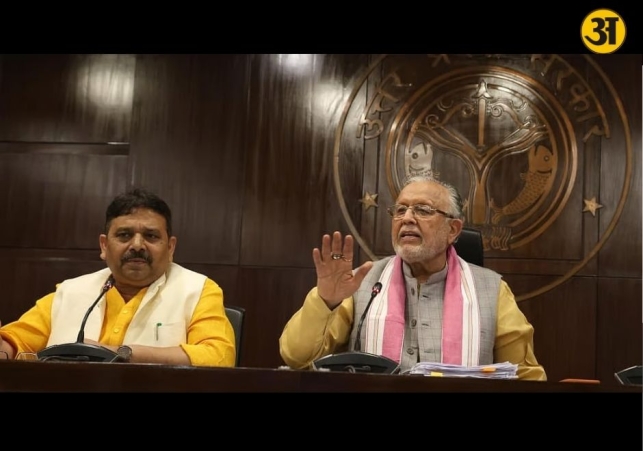
The decision was taken during a cabinet meeting held at Lok Bhavan in Lucknow, where more than 30 important proposals were approved. Among these decisions, the new rural transport scheme is considered one of the most significant because it directly affects transportation access for people living in villages.
Under the new plan, bus services will be introduced in 59,163 gram sabhas across the state. The scheme aims to create reliable transportation links between villages and important administrative centres such as block headquarters, tehsils, and district offices.
The initiative is expected to make travel easier for rural residents who often face difficulties reaching towns and cities due to the lack of regular public transport. Many villagers currently depend on private vehicles or irregular local transport services, which can be expensive or unreliable.
According to the government, the new bus services will help people travel more easily for essential needs such as education, healthcare, business activities, and government-related work.
Scheme to improve rural connectivity
The state government has designed the scheme to ensure that transportation services reach even remote areas. To make the programme effective, both government-run buses and private operators will be allowed to participate in providing services.
The state-run Uttar Pradesh State Road Transport Corporation will operate buses under the scheme. At the same time, private bus operators will also be permitted to run services on a contractual basis.
The government believes that allowing private operators to participate will help expand the network quickly and ensure that more villages receive regular transport services. To encourage private companies and individuals to participate, the government will provide certain benefits.
These incentives include relaxations in permits and certain tax concessions. Such benefits are expected to make it financially easier for private operators to run buses in rural areas where passenger numbers may initially be lower than in cities.
The selection of private operators will follow a structured process. Applications from interested operators will be examined by district-level committees. These committees will be headed by the District Magistrate of the respective district.
Other members of the committee will include the Chief Development Officer, the Assistant Regional Transport Officer (ARTO), and representatives from the state transport corporation. This group will review applications, evaluate the eligibility of operators, and approve those who meet the required standards.
The state government has set a timeline of 45 days for the completion of this selection process. After that, the approved operators will be allowed to begin bus services under the scheme.
Officials say the scheme has been carefully designed to ensure that rural residents can travel conveniently during the day and return to their villages by evening.
ALSO READ: Pakistan raises petrol price by PKR 55 per litre amid Middle East conflict
ALSO READ: Jaishankar speaks with Iran and Oman as India pushes for diplomacy in Middle East crisis
Services designed for daily needs
Under the operational plan of the scheme, buses will start their journeys from villages in the early morning hours. The goal is to ensure that passengers reach district headquarters or nearby towns by around 10:00 AM.
This schedule will allow people enough time to complete official work such as visiting government offices, attending court hearings, going to hospitals, or handling administrative tasks. Students and workers travelling to educational institutions or workplaces will also benefit from the service.
In the evening, return buses will operate between 4:00 PM and 8:00 PM so that passengers can travel back to their villages the same day.
The government has also stated that the number of buses and daily trips may be increased depending on passenger demand. If certain routes see high usage, additional services may be introduced to meet the needs of travellers.
Apart from improving transportation, the scheme is also expected to create employment opportunities in rural areas. Since bus operations will mainly involve local operators and staff, people from the same region may get jobs as drivers, conductors, and maintenance workers.
The vehicles used in the scheme will mostly be small buses designed for rural roads. Each bus will have a seating capacity ranging from 15 to 28 passengers and will be approximately seven metres in length. These smaller vehicles are considered more suitable for village routes, where roads may be narrower or less developed than highways.
The fleet will include buses powered by diesel, compressed natural gas (CNG), and electric energy. The inclusion of multiple fuel options will allow operators to choose vehicles based on cost, availability, and environmental considerations.
However, in areas falling under the National Capital Region, stricter environmental rules will apply. In these areas, only CNG or electric buses will be allowed to operate under the scheme. This rule is intended to help reduce air pollution in regions already facing environmental challenges.
Officials believe the Chief Minister Gram Transport Scheme–2026 will play an important role in strengthening rural infrastructure and improving the daily lives of villagers.
By providing regular and reliable transportation, the government hopes to reduce the isolation of rural communities and help them connect more easily with educational institutions, healthcare facilities, markets, and government services.
The scheme also reflects the broader effort of the state government to improve rural development and ensure that people living in villages have access to the same basic facilities available in urban areas.
If implemented successfully, the new bus network could transform mobility for millions of rural residents across Uttar Pradesh and make everyday travel safer, faster, and more affordable.
Related News