Lucknow rises as a preferred Tier-2 living hub
Why Lucknow is emerging as a top-choice Tier-2 city for modern urban living
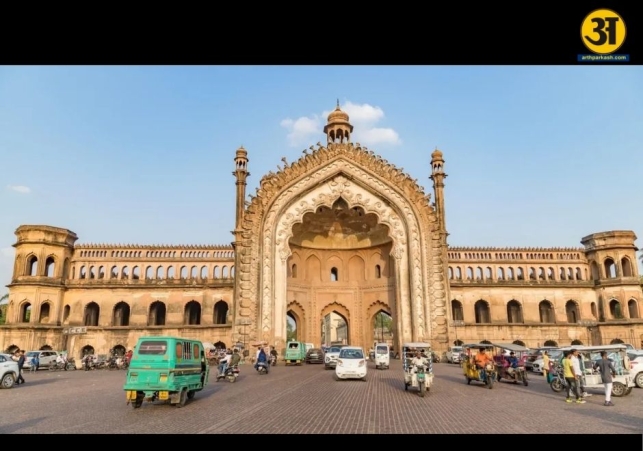
Lucknow, famously known for its culture, heritage, and royal charm, is now quickly becoming one of India’s most promising Tier-2 cities for modern living. The city is striking a unique balance between tradition and development. Wide expressways, a fast-growing metro network, and carefully planned urban zones are reshaping the city into a modern, connected, and attractive destination for residents, investors, and businesses.
A new report by CII-Colliers highlights that India’s real estate sector is entering a major growth phase. The industry, currently valued at USD 0.3 trillion, is expected to grow almost 20 times by 2047, reaching between USD 5 trillion and USD 10 trillion. This transformation is driven by rapid urbanisation, rising economic activity, and strong infrastructure development across the country. As a result, Tier-2 and Tier-3 cities like Lucknow are seeing huge demand for housing, commercial spaces, and modern living environments.
The report also says that India’s urban population will rise sharply in the coming years, with nearly 40% of people expected to live in cities. This shift requires better planning, more homes, improved transport systems, and sustainable urban ecosystems. Lucknow is one of the cities already preparing for this future, backed by major infrastructure upgrades and strong government support.
Infrastructure projects shaping Lucknow’s rapid transformation
One of the biggest reasons behind Lucknow’s rise is the massive improvement in connectivity across Uttar Pradesh. The Purvanchal Expressway now links Lucknow to eastern districts and the Varanasi region, making travel faster and boosting economic activity. The upcoming Lucknow–Kanpur Expressway is expected to become an important industrial and commercial corridor, connecting two of the state’s busiest cities.
Within the city, transport is getting easier and smoother. The Metro’s expanding network is helping people travel comfortably and reducing dependence on road transport. The Outer Ring Road and the newly widened Shaheed Path have eased traffic flow, creating efficient routes across the city. These upgrades have opened new zones for development and attracted investors who now see Lucknow as a gateway to North India’s next major growth region.
Thanks to this improved accessibility, large parts of Lucknow that were once quiet outskirts have now become development hotspots. Areas along Shaheed Path, Sultanpur Road, Amar Shaheed Path, and Faizabad Road are emerging as popular choices for homebuyers and developers. Builders are creating integrated townships, lifestyle communities, and mixed-use projects that offer comfort, convenience, and modern facilities.
This growth is being supported by a new generation of buyers, including working professionals, NRIs, and young families who want metro-like living but prefer the affordability and peaceful environment of a Tier-2 city.
Developers agree that Lucknow is changing fast. Mohit Goel, Managing Director of Omaxe Group, says the city is no longer just a cultural capital. It is becoming one of North India’s most exciting real estate markets due to its strong, consistent investment in infrastructure. He explains that expressways like Purvanchal, Lucknow–Agra, and the upcoming Ganga Expressway are transforming accessibility. The metro expansion is also improving daily travel.
Goel adds that investors are now looking at Lucknow for long-term growth rather than short-term profit. Planned development, better quality of life, and rising economic activities make Lucknow a stable and promising market.
This trend is not limited to Lucknow alone. JLL has reported a rise in real estate transactions in other Tier-2 cities such as Bhubaneswar, Guwahati, Chandigarh, Jaipur, Indore, Nagpur, Coimbatore, and Kochi. However, Lucknow stands out because it is also attracting industrial investments, especially in defence manufacturing. The city is expected to see strong growth in commercial projects in the next three to four years.
ALSO READ: Understanding hypotension: Signs, reasons, and when it becomes serious
ALSO READ: India’s love for sugary chai continues even as diabetes cases climb
New urban zones and rising demand for quality living
According to Yash Miglani, Managing Director of Migsun Group, Lucknow’s rise is special because it is creating opportunities across many sectors—from residential housing to commercial and retail spaces. New expressways and improved arterial roads are attracting first-time buyers, established businesses, and institutional investors to the city.
For developers, this means a chance to redefine comfortable and aspirational living for middle-income families. Clean governance, better connectivity, and a steady pipeline of infrastructure projects have made Lucknow one of the most attractive real estate destinations in northern India.
Preksha Singh, CEO of Agrasheel Infratech Pvt Ltd, says that Lucknow’s development is no longer limited to its central areas. The outskirts are transforming into vibrant neighbourhoods with parks, schools, wide roads, and easy access to shopping and daily needs. Areas like Sultanpur Road and Shaheed Path are witnessing the next wave of planned urban expansion.
Singh believes that modern homebuyers are looking for more than just houses—they want better community environments. This includes safety, comfort, greenery, and sustainable amenities. Developers now have the responsibility to create homes and communities that match this new mindset. The focus is shifting toward a lifestyle where convenience, quality, and affordability come together.
With strong infrastructure, a well-planned real estate pipeline, and a reputation for clean governance, Lucknow continues to strengthen its position as one of India’s most livable Tier-2 cities. As the city grows, it promises a blend of tradition and modernity that appeals to both investors and families looking for a better quality of life.
Related News