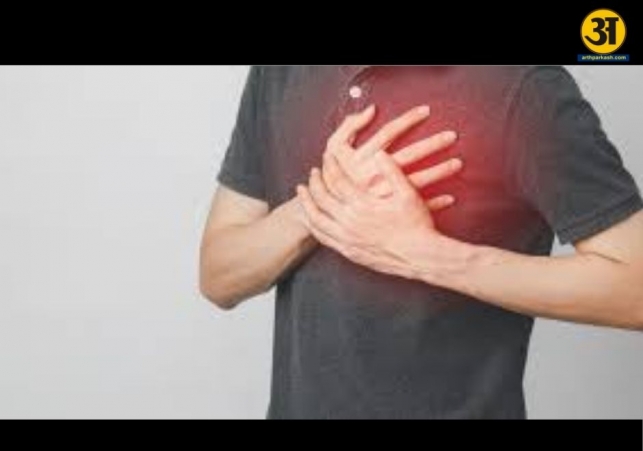
Know the symptoms of serious heart conditions
Aortic aneurysm and heart attack: warning signs to watch
Chest pain can be a warning sign of serious health problems, but not all chest pain is caused by a heart attack. Sometimes, it can be a sign of a more dangerous condition called an aortic aneurysm or aortic dissection. Studies published by the National Library of Medicine (NLM) show that nearly one in three patients with an aortic dissection is first misdiagnosed, often as a heart attack. This is because the early symptoms of an aortic aneurysm—such as sudden chest pain, sweating, and shortness of breath—can closely resemble those of a heart attack. Misdiagnosis can be fatal, as treatments used for heart attacks, like blood thinners, may worsen internal bleeding caused by an aortic problem.
Dr Anshul Kumar Gupta, Consultant in Interventional Cardiology at Manipal Hospital, Jaipur, explains that an aortic aneurysm is a bulging or weakened section in the wall of the aorta, which is the body’s main artery carrying blood from the heart to the rest of the body. The aneurysm can occur in the chest (thoracic aortic aneurysm) or abdomen (abdominal aortic aneurysm), with abdominal cases being more common. Many aneurysms grow silently without symptoms. However, if the wall of the aorta tears—a condition known as a dissection—or bursts completely, it can cause life-threatening internal bleeding. The sudden rupture may trigger sharp chest or back pain, difficulty breathing, collapse, or even death if not treated immediately.
Why it is often misdiagnosed and what to watch for
Aortic aneurysms are often misdiagnosed because their symptoms are similar to those of a heart attack. According to NLM studies, more than 80 percent of patients report sudden pain that reaches its peak almost immediately, unlike the gradual build-up often seen in heart attacks. Misdiagnosis can delay crucial treatment, sometimes leading to fatal outcomes.
Some common warning signs of an aortic dissection include:
-
Sudden, severe chest or back pain: The pain often feels sharp, tearing, or ripping and may move to the back, abdomen, or between the shoulder blades. This pain can come on very suddenly and may be more intense than typical heartburn or muscle pain.
-
Pain moving to other areas: Unlike heart attack pain, which usually stays in the chest, aneurysm pain can spread to the abdomen, lower back, or legs.
-
Unequal pulse or blood pressure: A noticeable difference in pulses between the left and right arms, or a sudden drop in blood pressure, can indicate that blood flow is being blocked due to the dissection.
-
Difficulty breathing or speaking: Shortness of breath, fainting, or stroke-like symptoms may occur if the dissection interrupts blood supply to vital organs.
Early diagnosis is crucial for survival. Quick imaging tests such as CT angiography or echocardiography can confirm whether the problem is an aortic aneurysm or dissection. Immediate treatment is essential, whether it involves emergency surgery, medication to control blood pressure, or other interventions.
Experts emphasize that chest pain should never be ignored, especially if it is sudden, severe, or accompanied by unusual symptoms like dizziness, fainting, or shortness of breath. Waiting or assuming it is not serious can be dangerous. Even if it is not a heart attack, aortic aneurysms and dissections are medical emergencies.
ALSO READ: India faces rising concerns over adulterated eggs alongside fake paneer
ALSO READ: India’s poverty rate falls dramatically since Independence
How to reduce risk and protect your health
Certain risk factors increase the likelihood of developing an aortic aneurysm. These include high blood pressure, atherosclerosis (hardening of the arteries), smoking, a family history of aneurysms, and connective tissue disorders such as Marfan syndrome. Age and gender also play a role, with men over 60 being more at risk for abdominal aortic aneurysms.
Regular medical check-ups, controlling blood pressure, maintaining a healthy weight, quitting smoking, and managing cholesterol can help reduce the risk of aneurysms. People with known risk factors should talk to their doctors about screening options, including imaging tests, to detect aneurysms before they become life-threatening.
Recognizing early warning signs, knowing personal risk factors, and seeking immediate medical attention for sudden chest or back pain are key to preventing fatalities. Education and awareness are especially important, as many people do not know that aortic aneurysms exist or that they can be mistaken for a heart attack.
Takeaway
Aortic aneurysms are often called “silent killers” because they can grow without symptoms until a life-threatening rupture occurs. Early symptoms can mimic heart attacks, making misdiagnosis common and dangerous. Understanding the differences—such as the sudden onset of sharp, tearing pain, unequal pulses, and unusual symptom patterns—can save lives. Immediate medical attention is crucial. Regular check-ups, lifestyle changes, and awareness of risk factors can help prevent fatal outcomes. Chest pain should never be ignored, as it could signal either the heart or the aorta—but in both cases, acting quickly is the safest option.
By being alert to the warning signs, seeking timely medical care, and adopting preventive measures, individuals can greatly reduce the risks associated with aortic aneurysms and save lives.
Related News