Items like Kalash, coins and peacock feather are considered शुभ before Navratri
Chaitra Navratri 2026: Auspicious things to bring home before the festival begins
- By Gurmehar --
- Monday, 16 Mar, 2026
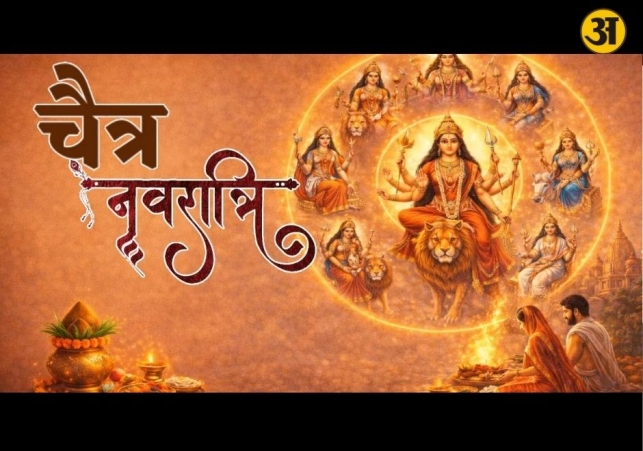
The sacred festival of Chaitra Navratri will be celebrated from March 19 to March 27 in India in 2026. This nine-day festival is dedicated to the worship of Goddess Durga, who is believed to protect devotees and remove negative energy from their lives.
During Navratri, people pray to different forms of Goddess Durga. Devotees observe fasts, perform special prayers, and decorate their homes and temples. The festival is considered a very sacred time for spiritual growth and devotion.
According to astrologers and religious traditions, bringing certain auspicious items home before Navratri is believed to bring happiness, prosperity, and peace. Many families prepare for the festival in advance by cleaning their homes, setting up prayer areas, and buying sacred objects.
Experts say that these items are believed to remove Vastu defects and bring positive energy into the house. Although these beliefs are based on tradition and faith, they remain an important part of Navratri celebrations in many homes.
Kalash and other sacred items
One of the most important rituals during Navratri is Ghatasthapana, which takes place on the first day of the festival. Ghatasthapana means installing a sacred pot known as a Kalash.
The Kalash is usually made of brass or copper and is filled with water. Mango leaves and a coconut are placed on top of it. This Kalash is placed at the prayer altar and worshipped during the nine days of Navratri.
In Hindu tradition, the Kalash is considered a symbol of purity, prosperity, and divine energy. Many families buy a new Kalash before the festival begins so they can perform the ritual properly on the first day.
Another item considered very auspicious before Navratri is a peacock feather. People often place a peacock feather in their home temple or near the main entrance of the house.
According to traditional beliefs, a peacock feather attracts positive energy and removes negative influences. It is also associated with divine protection and spiritual harmony.
Many families also buy gold or silver coins before Navratri. These coins are usually placed at the prayer altar during the festival.
After the prayers are completed, the coins are kept in the locker or safe where money and valuables are stored. People believe this practice brings prosperity and financial stability to the family.
Buying such coins before a religious festival is also considered a symbol of welcoming wealth and good fortune into the home.
ALSO READ: Israel launches ‘bomb shelter dating’ app during Iran war, sparks online backlash
Items offered to Goddess Durga
Another important tradition during Navratri is offering Solah Shringar, also known as the sixteen adornments. These items are traditionally associated with beauty and marital happiness.
Devotees offer these sixteen adornment items to Goddess Durga during prayers. These may include items such as bangles, sindoor, bindi, and other decorative objects used by married women.
According to traditional belief, offering Solah Shringar to the goddess helps maintain harmony in married life. It is also believed to strengthen relationships and bring love and understanding between couples.
Another sacred item often bought before Navratri is the lotus flower. The lotus has deep spiritual meaning in Hindu culture.
The lotus flower is associated with purity, beauty, and spiritual awakening. It is also considered very dear to Goddess Durga and Goddess Lakshmi.
Devotees usually buy a lotus flower one day before Navratri begins. During prayers, the flower is offered at the feet of the goddess.
People believe that offering a lotus flower during Navratri brings peace, happiness, and prosperity to the household. It is also believed to invite divine blessings and remove obstacles from life.
Apart from buying these items, many families also prepare their homes spiritually and physically for the festival. Cleaning the house, decorating the prayer room, and arranging fresh flowers are common preparations before Navratri begins.
Lighting lamps, chanting prayers, and offering food to the goddess are also important rituals during the nine days.
Navratri is not only a religious festival but also a time for devotion, positivity, and cultural celebrations. Families gather for prayers, visit temples, and participate in community events during this period.
Many devotees also observe fasting during the festival as a way to purify the mind and body. Traditional foods made during Navratri are prepared using special ingredients allowed during fasting.
Astrologers say that bringing auspicious items home before Navratri is believed to enhance the positive spiritual energy of the festival. While these beliefs may vary from family to family, they are deeply rooted in tradition and faith.
As Chaitra Navratri 2026 approaches, many people are preparing their homes and hearts for the sacred nine-day celebration dedicated to Goddess Durga and her divine blessings.
Related News