Is ‘make in India’ enough to win over buyers in a price-driven market?
Do Indian consumers really care about ‘make in India’ or just the best deal?
As someone who has spent over two decades observing consumer trends in India, I’ve seen how purchase decisions evolve with time, emotion, and economics. One question that keeps coming up lately is: Do Indian consumers truly care whether a product is "Made in India"?
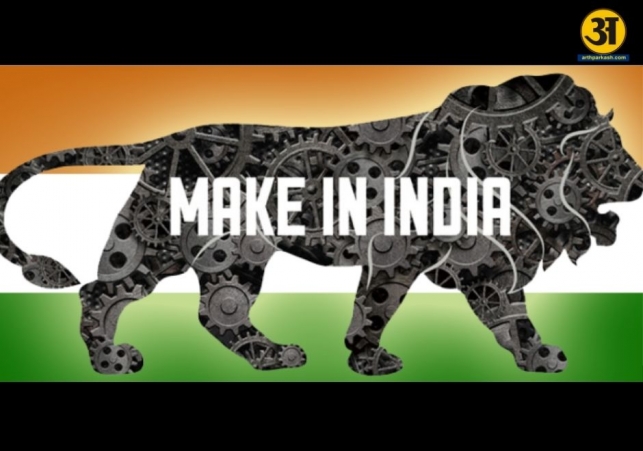
The government’s Make in India campaign was launched with great intent—to boost domestic manufacturing, create jobs, and reduce dependence on imports. But when it comes to everyday buying behaviour, is patriotism strong enough to influence our shopping carts?
We love the idea, but not always the product
Let’s be honest—many of us feel a sense of pride when we hear "Make in India." It connects with our emotions and our desire to support the country. But this emotional connection often takes a back seat when price, quality, and convenience enter the picture.
When I visit stores or scroll through e-commerce platforms, I rarely hear a customer ask, “Is this Indian-made?” What they do ask is, “How much does it cost?” or “Is it better than the other one?” In that moment, value wins over patriotism.
Pricing still rules the Indian market
For the average Indian consumer, price remains the biggest deciding factor. And I get it—when budgets are tight, the origin of a product matters less than its affordability. Imported goods, especially from countries like China, often beat Indian-made products on price, even if just by a little. That difference makes a big impact in a price-sensitive market like ours.
Until Indian manufacturers can match or beat global competitors in pricing without compromising quality, the Make in India label will struggle to be the sole reason for purchase.
Quality and consistency matter just as much
I’ve noticed that consumers are willing to try Indian-made products—but only if they meet global standards. Unfortunately, inconsistent quality has been one of the biggest complaints. Whether it’s gadgets, clothes, or even household items, customers want durability and performance. They don’t want to feel like they’re compromising just to be patriotic.
There are some Indian brands doing exceptionally well, and their success proves the point—if you build a reliable product, people will buy it, regardless of origin.
We care more in times of crisis
Interestingly, consumer patriotism spikes during national events or crises. I remember during the India-China border tensions, many Indians stopped buying Chinese apps and gadgets. There were boycott calls, uninstall campaigns, and a wave of support for Indian alternatives.
But here’s the thing—it didn’t last long. Once emotions cooled, many people returned to what was cheaper or better performing. The sentiment was strong, but the shift was temporary. That’s the difference between emotional marketing and long-term behavioural change.
Younger consumers are more conscious—but selective
The Gen Z and millennial crowd does seem more inclined toward choosing homegrown brands. They like the story behind a product, the sustainability factor, and yes, sometimes the "Made in India" tag too. But even for them, it’s not just about nationalism. They want brands that align with their values—eco-friendly, socially responsible, transparent.
So yes, Make in India appeals to them—but only if the brand also ticks their other boxes.
ALSO READ: 6 digital health trends changing the future of healthcare
ALSO READ: 6 Smart Home upgrades that add real value
Marketing alone won't do the job
Another thing I’ve realised: slapping a "Made in India" label on your product won’t suddenly make it desirable. The entire ecosystem—pricing, branding, packaging, availability, after-sales support—needs to be strong. Indian brands must stop relying only on patriotic marketing and focus more on customer experience.
Consumers are smarter today. They research, compare, and make decisions based on utility. National pride is a bonus, not the base.
Our loyalty depends on value, not just the label
So, do Indian consumers really care about Make in India? Yes, we do—but with conditions. We care when the product is good, when it matches global standards, and when the price is right. We care more during emotionally charged times, but we return to logic once things settle.
Make in India is a brilliant initiative, and its success depends not just on policy but on how well Indian companies understand their consumers. If they can offer quality, affordability, and pride in one package, Indian buyers will absolutely support them.
But until then, for most shoppers, value for money will always come before value for nation.
Related News