India’s language politics: old tricks, new speeches, but the youth want jobs
Why India’s language battles are outdated and unfair
- By Gurmehar --
- Monday, 07 Jul, 2025
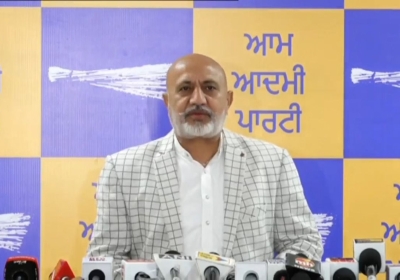
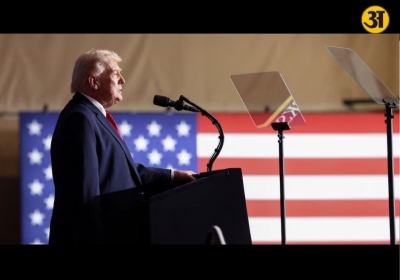
Recently, big political leaders in India have restarted the language debate. From Home Minister Amit Shah to leaders like Raj Thackeray, Uddhav Thackeray, and Tamil Nadu Chief Minister MK Stalin – everyone has made strong statements about which language should be used in public life.
But there’s a big irony. Many of these leaders speak against English or Hindi in their speeches but send their own children to English-medium schools or foreign universities. It shows that their statements are often more about gaining political attention than about real beliefs.
Amit Shah’s problem with English
Union Home Minister Amit Shah once said that people in India who speak English will soon feel ashamed. This idea comes from the Sangh Parivar’s belief that English is a colonial language and not truly Indian.
However, Shah studied in English-medium colleges in Ahmedabad. His son, Jay Shah, also studied at one of the best English-medium schools in the city and now heads the world cricket body. So while Shah criticises English, his family benefits from it.
A journalist once asked Shah how he knew about an article in an English newspaper if he didn’t read English papers. Shah replied, “Others tell me what’s written.” This shows the contradiction clearly.
Thackerays support Marathi but use English and Hindi
Raj Thackeray and Uddhav Thackeray both talk about protecting the Marathi language. But their children have also studied in English schools. They often give interviews in Hindi and English.
Their support for Marathi seems more like a political strategy. They want to keep the “Marathi pride” alive, especially when their parties are losing popularity. For them, language has become a tool to stay relevant in politics.
MK Stalin brings back old anti-Hindi campaign
In Tamil Nadu, Chief Minister MK Stalin has restarted the old demand to stop Hindi from being forced on Tamil-speaking people. He says the New Education Policy tries to push Hindi through the three-language formula.
This isn’t new. In the 1960s, Tamil Nadu saw big protests against Hindi. That helped the Dravidian parties grow. Stalin is now using similar tactics to prepare for elections. Yet, like other leaders, his family also chooses English for education. Private schools in Chennai mostly teach all three languages, including Hindi.
ALSO READ: MPs from all parties urge Bharat Ratna for Dalai Lama, suggest Parliament address
ALSO READ: Water scarcity and its impact on global food security
Real issue: double standards by all parties
Across India, many politicians talk against English or Hindi. But when it comes to their own families, they make sure their children speak English well and go to top schools.
Even in the central government, many ministers who talk about promoting Hindi have children studying abroad. English is no longer a "foreign" language. It is seen as a language of dreams and opportunity.
Go anywhere in India – from small towns to big cities – and you will find English coaching centres full of young people. Everyone knows that English helps them get better jobs and move ahead in life.
Interestingly, Hindi is now spreading even in states that once resisted it. South Indian films are now dubbed into Hindi and are huge hits across the country. Actors from the south are now loved by audiences in the north too.
The same is true in sports. MS Dhoni, who speaks Hindi and comes from Ranchi, is a hero in Chennai. Cricket and cinema have broken the language barrier.
Mumbai is another example. Earlier a Marathi-speaking city, it now speaks many languages, with Hindi as the main street language. People from many states have come to Mumbai, and the city has accepted everyone.
Language should unite, not divide
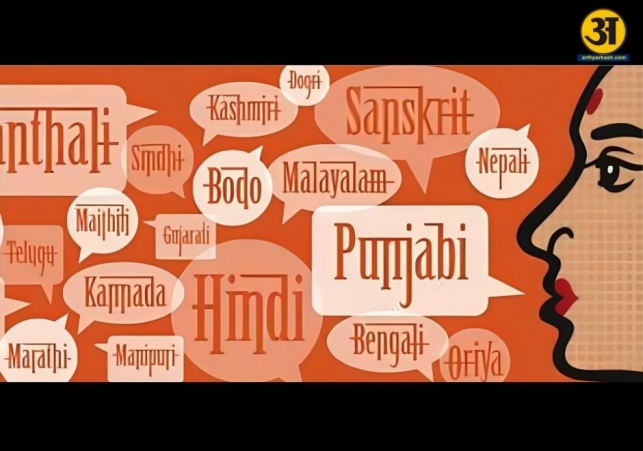
India is a land of many languages. Each language adds to its beauty. Being multilingual is not a problem – it's an advantage.
But some politicians try to create fights using language. They do this to get votes, not to solve real problems. Young Indians don’t care much about such debates. They want jobs, better education, and a future.
Instead of fighting over language, we should improve how languages are taught. In many states, English teaching is still very poor. For example, Gujarat has fallen behind in the service sector because soft skills like English speaking are weak.
A senior politician once insisted on giving an interview in Hindi to appear “connected to the people.” But after the interview, he proudly introduced his son who had studied in America.
This is the real face of language politics in India – what leaders say in public is often very different from what they do in private.
Language is a part of identity, but it should not be used to divide people. India’s future lies in unity and equal respect for all languages. Politicians should stop these outdated fights. The youth of India want opportunity, not old language wars.
Related News