IAF plans ASRAAM upgrade for MiG-29 jets to improve air combat power
Indian Air Force to boost MiG-29 UPG with ASRAAM missile for stronger combat edge
- By Gurmehar --
- Monday, 30 Mar, 2026
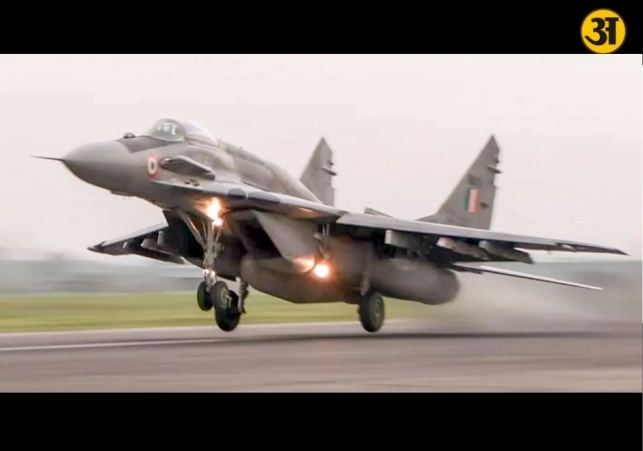
The Indian Air Force is planning a major upgrade to its fighter aircraft fleet by integrating advanced ASRAAM missile with its MiG-29 UPG jets. This move is aimed at improving combat performance and making the aircraft more effective in modern air warfare.
The decision comes as part of India’s ongoing efforts to modernise its defence capabilities. The Ministry of Defence has already initiated the process by issuing a request for proposals to integrate and test the ASRAAM system on the upgraded MiG-29 variant.
The MiG-29 is a well-known fighter jet that has been serving in the Indian Air Force for decades. With this new upgrade, the aircraft is expected to become more powerful and better suited for current combat needs.
What is ASRAAM and why it matters
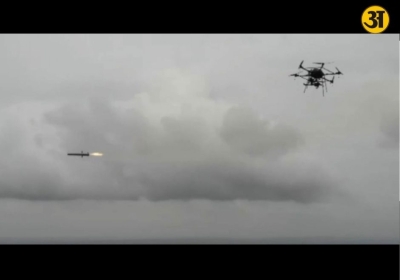
The ASRAAM missile, developed by European defence company MBDA, is a modern short-range air-to-air missile. It is a fourth-generation, heat-seeking missile designed for high-speed aerial combat.
One of the key features of ASRAAM is that it is a “fire and forget” weapon. This means that once it is launched, the missile can track and destroy its target on its own without further guidance from the pilot. This allows the pilot to focus on other tasks during combat.
The missile has a range of over 25 kilometres and can travel at speeds exceeding Mach 3. This makes it much faster and more capable than older missiles currently in use. Its advanced infrared guidance system allows it to lock onto enemy aircraft quickly, even in complex situations.
ASRAAM is already used by some of the world’s most advanced fighter jets, including the Eurofighter Typhoon and the F-35 Lightning II. In India, it has been successfully integrated with aircraft like the HAL Tejas and Jaguar jets.
Another important aspect of the ASRAAM programme is its local production. India signed an agreement with Bharat Dynamics Limited and MBDA in 2021 to assemble and test these missiles within the country. This is being done at a facility in Hyderabad, helping boost India’s defence manufacturing capabilities.
How the upgrade improves combat capability
Currently, the MiG-29 jets of the Indian Air Force use older R-73 missile systems. These missiles were developed in the 1980s and have a shorter range of around 10 to 15 kilometres.
By replacing them with ASRAAM, the IAF will gain a significant advantage in air combat. The longer range and higher speed of ASRAAM will allow pilots to engage enemy aircraft from a safer distance.
This is especially important in modern dogfights, where speed and reaction time play a critical role. The ability to strike first can often decide the outcome of an aerial battle.
The upgrade also helps India keep pace with other countries. For example, China uses the PL-10 missile, which is a modern infrared-guided missile with high speed and range. Pakistan also uses an export version of this missile.
However, experts believe that ASRAAM’s powerful rocket motor gives it an edge. It can maintain higher speed for a longer duration, increasing its chances of successfully hitting a target.
The MiG-29 itself is a highly agile aircraft. First inducted into the Indian Air Force in 1987, it has been upgraded over time to the UPG variant. The aircraft is capable of performing both air-to-air and air-to-ground missions.
With more than 50 MiG-29 jets in service, this upgrade will have a significant impact on the overall strength of the IAF. The addition of ASRAAM will make these jets more effective in intercepting enemy aircraft and defending Indian airspace.
The combination of a fast, agile aircraft and an advanced missile system creates a strong advantage in combat situations. It allows pilots to respond quickly to threats and engage targets with greater precision.
In conclusion, the integration of ASRAAM missiles with MiG-29 UPG jets marks an important step in India’s defence modernisation. It not only improves the performance of existing aircraft but also ensures that the Indian Air Force remains competitive in modern warfare.
As technology continues to evolve, such upgrades are essential to maintain air superiority. With better weapons and improved capabilities, the Indian Air Force is strengthening its ability to protect the country and respond to any challenges in the skies.
Related News