How to spot and prevent harmful blood clots
Blood clot dangers decoded: Key symptoms and factors you shouldn’t overlook
Thrombosis, or the formation of a blood clot inside a blood vessel, is often called a silent danger. It does not always show clear symptoms, yet it can lead to serious health problems like deep vein thrombosis (DVT), pulmonary embolism (PE), stroke, or even sudden death. Many people do not recognise the early signs, which is why doctors stress the importance of awareness and quick action. With simple lifestyle changes and timely treatment, thrombosis can be prevented and managed effectively.
It often starts quietly. You may feel a mild ache in your leg, notice slight swelling, or sometimes feel nothing at all. But inside the body, a clot may be forming. If that clot travels to a critical organ such as the lungs, heart, or brain, the consequences can be dangerous. That is why understanding the basics of thrombosis is so important.
What thrombosis means and how to spot early signs
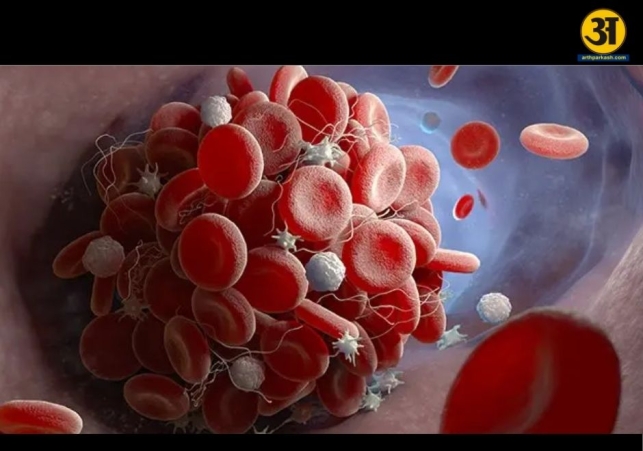
Thrombosis happens when a blood clot, also called a thrombus, forms inside a vein or artery and blocks normal blood flow. When this happens in a deep vein in the leg, it is called Deep Vein Thrombosis (DVT). If a piece of this clot breaks off and moves to the lungs, it can cause a Pulmonary Embolism (PE), which is a medical emergency. Clots in arteries can block blood flow to the heart or brain, leading to a heart attack or stroke.
Why blood clots form
Doctors say that thrombosis usually develops because of more than one cause. These main reasons are often present:
1. Immobility:
Sitting for too long—during office work, long travel, or bed rest—slows down blood flow. When blood moves slowly, it becomes easier for clots to form.
2. Damage to blood vessels:
Injury, inflammation, surgery, or infection can trigger clot formation.
3. Changes in blood composition:
Sometimes blood becomes “thicker” or stickier due to genetic factors, hormonal pills, pregnancy, cancer, or certain medications.
Other factors that increase the risk include obesity, smoking, dehydration, lack of movement, uncontrolled diabetes, high cholesterol, hormone therapy, and long periods of recovery after surgery.
Common warning signs
Symptoms of thrombosis depend on where the clot forms. Doctors advise watching out for these early signs:
Deep Vein Thrombosis (DVT)
-
Swelling in one leg, especially the calf or thigh
-
Pain, tenderness, or cramping in the leg
-
Warm or reddish skin
-
A feeling of heaviness in the limb
Pulmonary Embolism (PE)
-
Sudden shortness of breath
-
Chest pain that worsens when breathing deeply
-
Light-headedness or fainting
-
Rapid heart rate
Arterial Thrombosis (Stroke or Heart Attack)
-
Weakness or numbness on one side of the body
-
Difficulty speaking or understanding speech
-
Blurred vision
-
Sudden chest pain, sweating, nausea
If any of these symptoms appear after a long flight, surgery, illness, or long hours of sitting, immediate medical help is necessary. Quick treatment can save a life.
How doctors diagnose and treat thrombosis
Doctors usually start diagnosis with an ultrasound scan to check for blockages in veins. A blood test called D-dimer can show if there is clotting activity in the body. For suspected pulmonary embolism, CT scans or other imaging tests may be done.
Treatment focuses on stopping the clot from growing and preventing new ones:
-
Anticoagulants (blood thinners): These help prevent clots from getting bigger and reduce the chance of new clots forming.
-
Thrombolytics (clot-busting drugs): Used only in severe cases, such as major pulmonary embolism or stroke.
-
Compression stockings: Improve blood flow and reduce swelling after a clot.
-
Lifestyle changes: Doctors recommend long-term habits that support healthy blood circulation.
ALSO READ: Understanding hypotension: Signs, reasons, and when it becomes serious
ALSO READ: India’s love for sugary chai continues even as diabetes cases climb
Simple daily habits that protect you from thrombosis
While you cannot control your genetics, you can control your lifestyle. Doctors suggest these easy steps to reduce your risk of clot formation:
1. Move often
If you sit for long hours due to work, make it a habit to stand, stretch, or walk every hour. Even a few minutes of movement helps your blood flow properly.
2. Stay hydrated
Drink enough water through the day. Dehydration thickens the blood, increasing the risk of clotting, especially during long flights or travel.
3. Quit smoking
Smoking damages blood vessels and increases clotting risk. Stopping it significantly lowers your chances of thrombosis.
4. Eat heart-friendly foods
Include fruits, vegetables, whole grains, omega-3-rich foods like fish, nuts, and seeds. Reduce processed food and saturated fats.
5. Maintain a healthy weight
Excess weight puts pressure on the veins and slows blood movement, increasing clot risk.
6. Exercise regularly
Walking, swimming, yoga, and stretching keep your blood flowing smoothly. Avoid sitting still for long periods after exercise.
7. Manage health conditions
Keep conditions like diabetes, high blood pressure, and high cholesterol under control through regular check-ups.
8. Use compression socks when needed
People at high risk—especially those who travel long distances—may benefit from compression stockings that improve blood circulation.
Thrombosis may be silent and slow, but it is preventable and treatable when detected early. With awareness, healthy habits, and timely medical care, you can keep your blood vessels strong and reduce your risk of life-threatening complications. Sometimes, the simplest actions—standing up, moving around, drinking water—can be the first steps toward protecting your health.
Related News