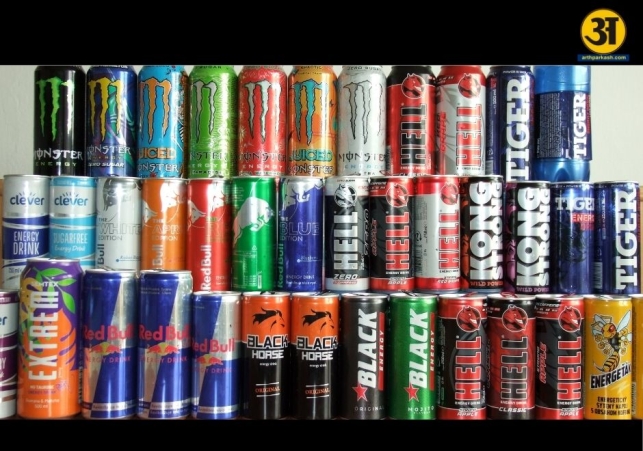
How energy drinks harm your body and mind
The hidden dangers of energy drinks you probably didn’t know about
Energy drinks have become the modern solution to tiredness and long work hours. Whether it’s before a deadline, during a workout, or in the middle of a long day, many people grab a can to feel alert and focused. But experts warn that this quick energy comes at a cost — especially for your heart, sleep, and overall health.
According to Dr. Kunal Sood, an anaesthesiologist and interventional pain-medicine specialist, energy drinks can cause hidden harm even when consumed occasionally. “They may feel like a quick fix for focus and fatigue,” he says, “but they also impact your heart, sleep, and key nutrients in your body.”
What research says about energy drinks
Several scientific studies have shown that regular or even moderate use of energy drinks can lead to serious health problems.
A 2019 study published in the Journal of the American Heart Association by Shah et al. found that energy drinks significantly increased systolic blood pressure — the top number in a blood pressure reading — and also changed ECG readings among healthy young adults. These changes suggest that energy drinks can strain the heart even in people without existing conditions.
Another large-scale 2024 study from Norway, involving more than 53,000 young adults, found that even consuming one to three cans per month was linked to shorter sleep duration and a higher risk of insomnia. In other words, even light drinkers were affected.
Similarly, a review from Harvard Health Publishing summarized that energy drinks can interfere with normal heart rhythm and may cause irregular heartbeats, especially in people already prone to heart issues.
These findings make one thing clear — energy drinks are not harmless. The combination of caffeine, sugar, and other stimulants can disrupt normal body functions and make your body work harder than it should.
Heart and sleep take the biggest hit
Heart health:
Dr. Sood explains that controlled studies have found energy drinks raise blood pressure and prolong the QTc interval, which measures how the heart’s electrical system resets between beats. This effect is stronger than caffeine alone. Prolonged QTc intervals can lead to irregular heart rhythms, and over time, they can increase the risk of heart problems.
For people with existing conditions like high blood pressure, anxiety, or heart disease, energy drinks can make symptoms worse. Even for healthy individuals, frequent consumption may lead to chest discomfort, palpitations, or dizziness.
Sleep quality:
Caffeine works by blocking a chemical in the brain called adenosine, which is responsible for making you feel sleepy. By blocking it, caffeine tricks your brain into staying awake longer. However, this also means that once the caffeine wears off, you feel more tired than before.
Dr. Sood says that energy drinks, which often contain high doses of caffeine and other stimulants, can make it difficult to fall asleep and reduce the quality of your rest. Research from Norway found that people who drank even a single can of energy drink in a month were more likely to experience insomnia and disturbed sleep patterns.
Poor sleep affects not just rest but also mood, memory, concentration, and immune strength. Over time, this can lead to a harmful cycle: poor sleep causes fatigue, fatigue leads to more energy-drink use, and the problem keeps repeating.
The lesser-known effects of energy drinks
Apart from their impact on heart and sleep, energy drinks also cause several other problems that people often overlook.
Mineral loss:
Dr. Sood points out that energy drinks cause increased magnesium loss through urine for several hours after consumption. Magnesium is essential for muscle function, nerve health, and heart rhythm. When your body loses too much magnesium, you may experience muscle cramps, headaches, fatigue, or even irregular heartbeats.
Hidden addiction:
Energy drinks can easily become addictive, not just because of caffeine but also because of the feeling of alertness they create. People often use them to fight tiredness or compensate for lack of sleep, creating a dangerous pattern — fatigue leads to drinking energy drinks, which then worsens sleep and leads to more fatigue. This loop can also increase dependency on other stimulants, including alcohol in some cases, especially among younger people.
ALSO READ: BJP still needs Nitish Kumar despite differences in Bihar politics
ALSO READ: Why strokes can strike at any age: 8 common myths busted
Safer ways to stay alert and focused
Instead of relying on energy drinks, experts recommend making small lifestyle changes that provide natural and long-lasting energy.
1. Limit intake:
Healthy adults should treat energy drinks as an occasional treat, not a daily habit. The U.S. Food and Drug Administration (FDA) considers up to 400 mg of caffeine per day safe for most adults, but many energy-drink cans already contain 150–300 mg per serving. Just two cans can push you over the safe limit.
2. Read the label:
Energy drinks often contain more than caffeine — they include ingredients like guarana, taurine, and ginseng, which can amplify caffeine’s effects. Always check what you’re consuming before drinking.
3. Improve your sleep routine:
Getting enough rest is the best natural energy booster. Try maintaining a regular sleep schedule, limiting screen time before bed, and keeping your room dark and cool to improve sleep quality.
4. Stay hydrated and eat well:
Dehydration and poor diet are major reasons for fatigue. Drinking enough water and eating balanced meals rich in fruits, vegetables, and protein can give your body the steady energy it needs.
5. Watch for warning signs:
If you experience heart palpitations, dizziness, shortness of breath, or persistent insomnia after drinking energy drinks, consult a doctor immediately.
The final takeaway
That can of energy drink might feel like a shortcut through a long, tiring day — but shortcuts often take you the long way around when it comes to health. While the caffeine may offer a temporary lift, the hidden costs to your heart, sleep, and nutrient balance are real.
Real energy doesn’t come from a can; it comes from rest, good nutrition, and healthy habits. Your body’s rhythm — and your heart — deserve better than a quick fix.
Related News